Phone:
(701)814-6992
Physical address:
6296 Donnelly Plaza
Ratkeville, Bahamas.

Phone:
(701)814-6992
Physical address:
6296 Donnelly Plaza
Ratkeville, Bahamas.

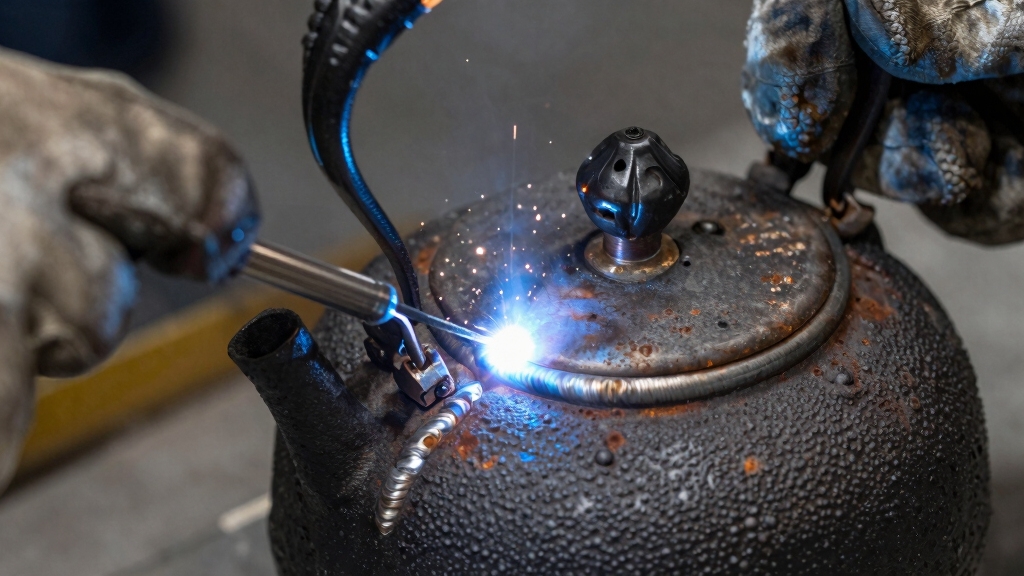
You can TIG weld cast iron, but it requires strict temperature control and specialized fillers like nickel or EZ Weld wire. Thorough preparation is needed to minimize cracking risks from the material’s brittleness and thermal stresses.
Preheating to about 300–600°F and managing slow cooling are essential to reduce residual stresses and embrittlement. While TIG offers precise, clean welds, its 50% success rate means it’s better suited for delicate repairs where minimal heat-affected zones matter.
More technical insights and practical tips follow.
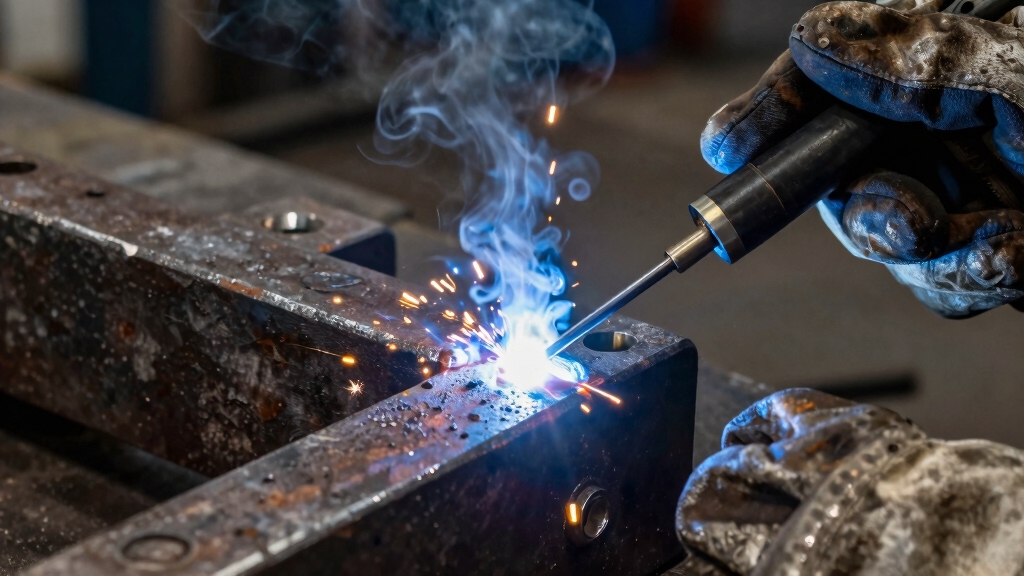
Although TIG welding cast iron is technically feasible, you should be aware that success rates hover around 50% due to the material’s inherent brittleness and susceptibility to cracking.
You’ll need to use specialized filler materials and adopt a precise welding technique to improve outcomes.
Modern filler wires, like aluminum bronze or nickel-based alloys, enhance weld strength and crack resistance but require meticulous handling.
TIG welding generates a highly localized heat input, which demands strict temperature control during the process.
While TIG can produce clean, high-quality welds, it’s not the preferred method for cast iron repairs because of its limited tolerance for thermal stress and cracking.
Consequently, you should weigh TIG welding’s technical possibilities against its practical challenges before proceeding.
Additionally, employing nickel alloy fillers can help accommodate thermal expansion differences and reduce cracking risks in TIG welds.
When you weld cast iron using TIG, cracking can be a common issue. This happens mainly because cast iron is pretty brittle and doesn’t handle contraction stresses very well.
As you heat it up, the heat-affected zone experiences rapid thermal cycling. This creates sharp temperature gradients, which can lead to increased internal stresses.
So, understanding these factors is really important if you want to maintain weld integrity and reduce the chances of failure. Preheating cast iron to 500–600°F before welding can significantly reduce thermal stresses and minimize cracking risks.
When you TIG weld cast iron, the material’s inherent brittleness and tendency to crack pose significant challenges.
Cast iron’s high carbon content and microstructure cause limited ductility, so it can’t absorb thermal stresses by plastic deformation.
As the weld cools, contraction generates tensile stresses that exceed its fracture toughness, initiating cracks.
The localized heat input from TIG welding exacerbates this by creating steep temperature gradients, intensifying residual stress.
Additionally, the heat-affected zone experiences microstructural changes that increase hardness and reduce toughness, further promoting crack formation.
Without careful control of heat input, filler material selection, and cooling rates, you’ll likely see cracking along the weld or adjacent regions.
Understanding this brittleness is critical to mitigating weld failures in cast iron TIG applications.
Preheating cast iron uniformly to 500–600°F before welding significantly reduces thermal stress and helps minimize cracking risks.
Since the heat-affected zone (HAZ) undergoes rapid thermal cycling during TIG welding, it experiences significant microstructural transformations that compromise its mechanical integrity.
The severe temperature gradients induce uneven expansion and contraction, generating residual stresses.
These stresses, combined with cast iron’s inherent brittleness, increase the likelihood of cracking.
Carbon redistribution within the HAZ further embrittles the region, forming hard, brittle phases prone to fracture under mechanical or thermal loads.
Additionally, the localized heat input characteristic of TIG welding exacerbates these effects by creating sharp thermal boundaries.
To mitigate cracking, you must carefully control heat input, employ preheating, and manage cooling rates.
Without precise thermal management, the HAZ becomes the weakest link, leading to weld failure despite proper filler material selection.
Applying post-weld heat treatments can help relieve residual stresses and improve the toughness of the HAZ to minimize cracking risks.
When you’re choosing filler materials for TIG welding cast iron, it’s important to think about a few key factors: strength, cost, and crack resistance.
You want something that not only holds up well but won’t break the bank, right?
Aluminum bronze is a solid choice here. It offers great tensile strength and is cost-effective, making it a popular option among welders.
But if you’re looking for something that delivers superior performance, you might want to consider nickel-based fillers. Just keep in mind that these typically come with a higher price tag.
Also, have you heard about specialty wires like EZ Weld? They can really simplify the whole process.
They reduce the need for preheating, which can save you time and effort, and they also enhance the overall quality of your welds. So, if you’re aiming for efficiency and effectiveness, those could be worth checking out!
Additionally, maintaining proper surface preparation before welding is crucial to prevent cracking and ensure a strong bond in cast iron joints.
Aluminum bronze stands out as a highly effective filler material for TIG welding cast iron due to its excellent mechanical properties and cost efficiency.
When you use aluminum bronze, you achieve welds with tensile strength around 50,000 PSI, which is sufficient for most cast iron repairs.
Its inherent crack resistance helps counteract cast iron’s brittleness and tendency to crack during cooling.
Moreover, aluminum bronze offers better thermal conductivity than nickel-based fillers, promoting more uniform heat dissipation and reducing thermal stress in the heat-affected zone.
Cost-wise, aluminum bronze is markedly more affordable at about $20 per pound, making it a practical choice without sacrificing performance.
If you’re TIG welding cast iron, aluminum bronze balances strength, crack resistance, and cost, making it a smart filler selection for reliable welds.
Proper selection of filler metals ensures weld homogeneity and prevents defects that compromise overall joint quality.
Although nickel-based fillers come with a higher price tag, approximately $125 per pound, they offer superior strength and crack resistance that can be critical for demanding cast iron TIG welding applications.
When you choose nickel-based filler, you gain:
These properties make nickel fillers ideal for critical repairs where weld integrity is paramount. However, the cost and handling complexity require you to evaluate project requirements carefully.
Despite TIG welding’s inherent challenges with cast iron, nickel-based fillers improve success rates by addressing cracking tendencies and brittleness caused by carbon migration in heat-affected zones.
Use them when strength and reliability outweigh cost considerations in your welding process. Proper heat control and welding technique are essential to minimize defects and ensure weld quality when using nickel fillers.
Nickel-based fillers deliver strength and durability, but their high cost and handling requirements mightn’t fit every project.
When TIG welding cast iron, you should consider specialty wires like aluminum bronze, which offers around 50,000 PSI tensile strength and better crack resistance at a more affordable price point.
EZ Weld TIG Wire is another specialized product designed for cast iron, eliminating preheating and simplifying temperature management.
Phosphor bronze and stainless steel fillers provide alternatives depending on your application’s mechanical needs and thermal behavior.
Each filler type affects weld integrity, brittleness, and post-weld treatment differently, so selecting the right wire is critical.
Balancing cost, weld strength, and crack susceptibility allows you to optimize TIG welds on cast iron despite inherent material challenges.
Using a weld-through primer can also help protect joints from corrosion and enhance weld quality when working with cast iron components.
Proper preparation is essential to minimizing the inherent risks of TIG welding cast iron, particularly its tendency to crack due to brittleness.
Before welding, you need to make certain the surface is clean and free of contaminants.
Any oil, rust, or dirt can compromise weld integrity.
Follow these steps:
Using low heat input welding methods like TIG helps reduce the risk of cracking and distortion in cast iron welds.
When you preheat cast iron before TIG welding, you reduce thermal gradients that cause cracking during cooling.
Preheating to around 300°F minimizes contraction stresses by promoting uniform heat distribution.
After welding, controlled slow cooling is vital. Rapid cooling increases brittleness and crack risk.
Wrapping the casting in sand or insulating it guarantees gradual temperature decrease, preventing thermal shock.
| Stage | Temperature Control |
|---|---|
| Preheating | ~300°F (150°C) |
| Welding | Localized high heat input |
| Cooling | Slow, insulated cooling |
Effective temperature management limits heat-affected zone brittleness and enhances weld integrity.
Skipping preheat or rapid cooling markedly raises crack susceptibility, lowering TIG weld success on cast iron.
Additionally, selecting welding processes that limit heat input helps reduce thermal stresses and defects during welding.
Hence, strict adherence to preheating and cooling protocols is essential for reliable TIG weld quality.
Although TIG welding can produce clean and precise welds on cast iron, it isn’t the most practical choice compared to alternative repair methods. TIG’s localized heat leads to cracking due to cast iron’s brittleness and uneven cooling.
When you evaluate options, consider these factors:
TIG welding, while precise, requires specialized filler metals and strict temperature control. This makes it less reliable and more complex than these alternatives for cast iron repair.
Several factors contribute to the overall cost of TIG welding cast iron. Filler material expenses and preparation requirements play important roles.
You’ll find aluminum bronze filler wire costs approximately $20 per pound. This offers a cost-effective balance between strength and affordability.
Nickel-based fillers, while stronger, can exceed $125 per pound, markedly increasing expenses. Preparation steps such as surface cleaning and potential preheating to around 300°F add time and labor costs.
Using specialized fillers like EZ Weld TIG Wire can negate the need for preheating. Post-weld heat treatment to control cooling rates also demands resources.
Compared to alternatives like stick welding, TIG’s precision reduces visibility issues. However, it requires more meticulous temperature management, increasing indirect costs.
Ultimately, your budget must account for both consumables and stringent thermal control protocols. This is essential to optimize weld integrity and cost efficiency.
Because TIG welding demands meticulous temperature control and specialized filler materials, you should reserve its use for cast iron repairs where weld cleanliness and precision are paramount.
You’ll want to choose TIG welding primarily when:
TIG welding is less forgiving than stick or oxyacetylene methods, so you must carefully manage preheating and cooling to avoid brittleness.
It’s best for precise, low-stress repairs where the benefits of finesse outweigh the 50% success challenge inherent to cast iron TIG welding.
You need to wear proper PPE, including flame-resistant clothing, welding gloves, and a full-face shield with appropriate shading to protect from intense UV radiation.
Make certain adequate ventilation to avoid inhaling harmful fumes, especially from cast iron’s carbon content.
Preheat the workpiece carefully to minimize cracking risks.
Maintain a clean, dry workspace to prevent electrical hazards.
Finally, monitor temperature closely during welding and cooling to control thermal stresses and avoid brittle failures.
Like wielding Excalibur, TIG welding sharpens cast iron’s integrity but doesn’t grant it immunity.
TIG welding slightly reduces corrosion resistance due to heat-affected zones altering microstructure and increasing brittleness.
You’ll notice localized carbon enrichment, which can accelerate corrosion in harsh environments.
However, using proper filler materials and post-weld treatments helps you mitigate these effects.
This allows you to maintain reasonable corrosion resistance for many practical applications despite TIG’s thermal challenges.
You can TIG weld both gray and ductile cast iron, but their differing microstructures affect the process.
Gray cast iron’s graphite flakes increase brittleness, raising cracking risks during welding.
Ductile cast iron, with nodular graphite, offers better ductility and weldability, reducing cracking potential.
You’ll need tailored filler materials and precise temperature control for each type.
Preheating and slow cooling remain essential to minimize thermal stresses and achieve successful TIG welds on either cast iron variant.
After TIG welding cast iron, you’ll want to scrutinize your work like a detective at a crime scene.
Start with visual inspection to spot cracks or porosity.
Use dye penetrant testing for surface-breaking flaws since casting brittleness hides micro-cracks.
Ultrasonic testing helps detect internal discontinuities.
Finally, perform hardness testing in the heat-affected zone to guarantee no excessive brittleness threatens weld integrity.
These steps safeguard your weld’s strength and durability.
A typical TIG weld on cast iron takes between 30 minutes to 2 hours, depending on joint complexity and size.
You’ll spend time preheating, welding with controlled heat input, and post-weld slow cooling.
Specialized filler wire can reduce prep time by eliminating preheating.
However, you must weld slowly to minimize cracking risk, carefully managing temperature gradients.
Preparation and cleanup also add to the overall process duration, so plan accordingly.
You can successfully TIG weld cast iron if you approach it like defusing a delicate circuit. Precision and control are essential.
By choosing the right filler materials, preparing surfaces meticulously, and managing preheating and cooling, you minimize cracking risks.
While TIG welding demands more skill and cost than other methods, it offers superior weld quality and strength.
Ultimately, TIG welding is your best bet when precision and durability in cast iron repairs are non-negotiable.