Phone:
(701)814-6992
Physical address:
6296 Donnelly Plaza
Ratkeville, Bahamas.

Phone:
(701)814-6992
Physical address:
6296 Donnelly Plaza
Ratkeville, Bahamas.

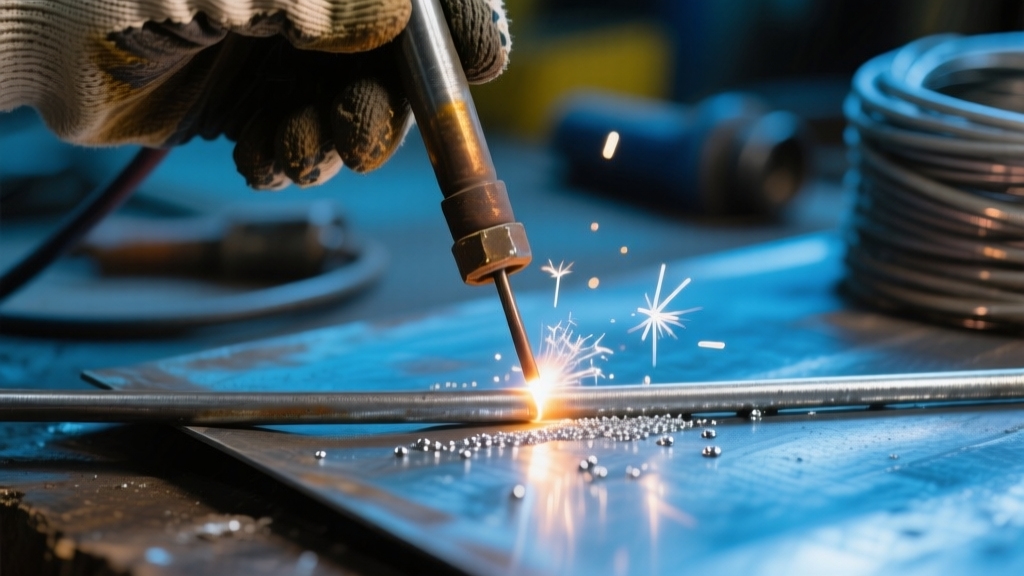
You can solder galvanized steel if you carefully prepare the surface by removing oxides and contaminants with abrasion and cleaning.
Use compatible low-temperature solders and zinc chloride-based fluxes to protect the zinc coating and guarantee strong adhesion.
Control heat precisely to avoid damaging the zinc, which vaporizes at relatively low temperatures, producing harmful fumes.
Proper technique and safety measures are vital for durable, corrosion-resistant joints. Understanding these factors sets you up for successfully joining galvanized steel.
Although galvanized steel primarily consists of a steel substrate coated with zinc, understanding its chemical composition is essential to grasp how its properties arise.
The steel base contains mostly iron, with carbon (under 0.25%) and alloying elements such as manganese (around 1.3%), silicon, phosphorus, sulfur, chromium, and nickel.
The steel base is primarily iron, enriched with carbon and alloying elements like manganese, silicon, and nickel.
Silicon influences the zinc-iron intermetallic layer, often reducing coating adhesion and ductility.
Phosphorus and sulfur impurities degrade coating quality by forming brittle or porous layers.
Zinc metallurgically bonds to steel, producing corrosion-resistant zinc-iron alloys beneath a pure zinc layer that enhances durability. Proper surface preparation and removal of contaminants are also crucial for achieving a high-quality galvanized coating. Additionally, during heat exposure, the zinc coating can vaporize, which requires careful handling to avoid zinc fume hazards.
Physically, galvanized steel maintains a density near 7.8 g/cm³, tensile strength around 510–600 MPa, and a melting point differential between zinc (419°C) and steel (1370°C), critical for heat-related applications.
Let’s dive into the essential steps for preparing a galvanized steel surface.
First off, you’ll want to give it a good clean. Use wire brushing or some mild abrasive methods to get rid of any contaminants and to roughen up the area a bit. This step is super important because it sets the stage for everything that comes next.
Once you’ve done that, don’t forget to tackle any oils and residues. A good degreaser will help you wipe those away effectively. You definitely want to prevent any solder contamination, so this step is key!
Finally, we’ll need to preheat the surface. Aim for around 600°F. This will help optimize the flow of solder, but be careful not to damage the zinc coating while you’re at it. It’s all about finding that sweet spot!
Proper surface preparation, including cleaning and degreasing, is critical to ensure optimal adhesion and prevent corrosion beneath coatings.
Since proper solder adhesion hinges on surface integrity, you must thoroughly clean galvanized steel before soldering.
Begin with mechanical abrasion, wire brushing or sanding, to remove oxides and expose bare metal, enhancing solder flow. This step is critical because surface preparation ensures the primer and solder will bond effectively.
ASTM A780 recommends wire brushing or light blasting as standard preparation, assuring the joint area is aggressively cleaned.
Combine abrasion with chemical cleaning, using muriatic acid for 60 seconds without rinsing, to eliminate residual zinc and oxides inaccessible mechanically.
Prior to acid application, degrease the surface with a solvent to remove oils.
After cleaning, perform a final wipe-down to guarantee dryness and prevent contamination during soldering.
This multi-step cleaning assures a pristine surface, maximizing flux efficiency and solder adherence critical to creating reliable galvanized steel joints.
Maintaining a clean surface is essential because ASTM A780 preparation ensures the solder will properly bond to the base metal without interference from contaminants.
Before applying flux or heat, you must remove all contaminants that hinder solder adhesion on galvanized steel.
Mechanical cleaning methods like wire brushing, light grinding, or mild blast cleaning effectively remove zinc oxide layers and surface films per ASTM A780. These methods also improve wetting by ensuring the solder can spread and adhere properly to the metal surface. Regular maintenance and cleaning help maintain the leather’s supple nature and prevent buildup.
Extending abrasion slightly beyond damaged areas promotes smooth adhesion while preserving the surrounding galvanized coating’s integrity.
Chemical treatment with controlled muriatic acid dissolves oxides, enhancing solder wettability; leaving acid for about 60 seconds without rinsing minimizes reoxidation risk.
Applying zinc chloride-based flux further conditions the surface by preventing new oxide formation and reducing solder surface tension.
Although soldering galvanized steel demands careful temperature control, proper pre-heating procedures are essential to activate the surface and guarantee strong solder adhesion.
You should preheat the steel to around 600°F (315°C), carefully monitoring flux color changes. Brown indicates optimal readiness, while black signals overheating and flux degradation. Black flux indicates approximately 200°F (about 200 degrees) remaining before zinc coating starts coming off steel, so watch for this color to avoid damaging the coating.
Use controlled heating tools like soldering irons or propane torches, applying indirect heat to avoid damaging the zinc coating. Before preheating, wire brush the area to remove oxidation, extending beyond the repair zone per ASTM A780 standards to secure flux effectiveness. Proper surface cleaning is critical, as contaminants can hinder solder adhesion strength.
Maintain steady heat to allow the parent metal to melt solder, preventing direct torch contact with flux or rod. Pre-tinning joints during heating increases bond strength by about 40%, while precise timing avoids coating deterioration and guarantees durable solder joints. Additionally, dipping the rod into flux before applying ensures proper flux usage and promotes even flow around the joint.
When repairing galvanized steel, choosing the right solder and alloy directly impacts the durability and effectiveness of the bond.
Zinc-based alloys, especially zinc-tin-lead, zinc-cadmium, and zinc-tin-copper, assure compatibility with the galvanized zinc coating, preventing weak bonds. Using solder with compatible metallurgy also helps minimize the risk of thermal damage to the metal surface during the joining process.
Low melting point alloys like Super Alloy 1 (350°F) minimize heat damage, preserving the protective layer. Careful control of heat input during soldering is essential to avoid degrading the protective zinc oxide coating.
Consider these factors:
Opt for zinc-containing alloys to maintain material compatibility and bond strength (~20,000 psi). The zinc oxide coating on galvanized steel acts as a protective layer that resists corrosion, so preserving it during soldering is crucial.
Use low-temperature solders to prevent overheating and coating degradation.
Select alloys like Super Alloy 1 for versatility across metals and gap bridging.
Avoid solders that cause oxidation or fail to seal, compromising waterproof integrity.
Choosing precisely engineered alloys guarantees reliable, long-lasting galvanized steel repairs.
When you’re soldering galvanized steel, it’s really important to pick the right flux. You want something that will effectively get rid of oxides and stop any further oxidation from happening. Good choices include zinc chloride-based fluxes or acid fluxes that are specifically made for galvanized steel.
When you apply the flux, make sure to do it evenly using a brush or swab. Just a heads-up—don’t overdo it! Too much flux can actually lead to corrosion, which is the last thing you want. For example, Johnson J-33 Galvanized Steel Flux contains both zinc chloride & hydrochloric acid, providing superior wetting and preventing oxidation. Proper application and removal of flux is crucial for maintaining the integrity of the galvanized coating.
After you’ve finished soldering, it’s crucial to clean off any flux residues. Grab some warm water and a brush to give it a good scrub. This step helps keep your joint strong and protects the galvanized coating from any damage.
Picking the right flux plays an essential role in achieving strong, reliable solder joints on galvanized steel. You need a flux that balances chemical reactivity to clean oxides without damaging the zinc coating.
Consider these criteria carefully:
Use zinc chloride-based or acid-based fluxes designed specifically for galvanized steel to ensure effective oxide removal and solder wetting.
Confirm compatibility with the zinc layer to prevent corrosion or dissolution during heating. Wearing protective gloves while handling flux and solder materials is important to safeguard your skin from chemical exposure.
Select fluxes that operate efficiently within your soldering temperature range (350°F–1200°F) for peak activity.
Prefer fluxes that are easy to clean post-soldering, ideally water-removable, to minimize corrosion risks. Additionally, choosing flux products that come with Customer Satisfaction Guarantee can provide assurance of quality and support.
Proper flux selection safeguards the galvanized surface while promoting uniform solder flow and strong adhesion essential for durable joints.
Selecting the right flux sets the foundation, but applying it correctly determines the quality of your solder joint on galvanized steel. You should monitor flux color changes from honey golden to root beer brown as an accurate temperature indicator.
This change signals ideal filler rod application at about 350°F. Apply flux after the parent metal reaches this temperature to prevent premature oxidation. Use liquid flux dripping to saturate the filler rod before applying it, guaranteeing a protective barrier during heating. Maintaining consistent heat control is crucial to avoid damaging the zinc coating and ensure a solid bond.
Maintain even heat distribution across the joint to protect the zinc coating and reduce fume formation. Since zinc coating melts and vaporizes at a lower temperature than steel, careful heat control is essential to minimize hazardous zinc fumes.
| Step | Indicator | Purpose |
|---|---|---|
| Heating parent metal | Flux color change | Confirms temperature readiness |
| Rod dripping in flux | Saturation check | Ensures oxidation prevention |
| Even heat distribution | Uniform zinc protection | Maintains coating integrity |
Amidst the challenges of soldering galvanized steel, choosing the right flux goes beyond initial application. It demands careful consideration of removal methods to prevent corrosion and guarantee joint integrity.
Residual flux, especially acid-based, accelerates corrosion if left on the surface. You need to remove flux residues completely using mechanical and chemical methods tailored to flux type. For enhanced safety and effectiveness, wearing heat-resistant gloves during flux removal can protect hands from potential burns and chemical exposure.
Key flux removal techniques include:
Because welding galvanized steel should occur in well-ventilated locations to minimize fume inhalation, it is equally important to manage flux residues carefully to maintain a safe work environment and material integrity general safety.
Understanding the appropriate heating methods and temperature guidelines is crucial when soldering galvanized steel to maintain the integrity of the zinc coating and guarantee strong, reliable bonds.
You should preheat the steel to approximately 600°F (315°C) for zinc-based solders, using heat sources like propane or butane torches for gradual, even heating. It is important to ensure the joint area is heated above the solder’s liquidus temperature to achieve proper wetting and metallurgical bonding temperature control.
Controlled soldering irons with tip temperatures between 250–350°C suit precise applications, while flux color changes from honey golden to root beer brown signal proper working temperature near 350°F (177°C).
Avoid exceeding 380°C to prevent zinc coating damage and substrate scorching. Low-temperature solders such as Super Alloy 1 minimize thermal harm and produce strong bonds.
Careful monitoring during heating confirms oxidation removal and solder flow without compromising galvanized surface protection.
Before you begin soldering galvanized steel, thorough surface preparation is essential to guarantee a clean, oxidation-free base for strong adhesion.
Start by removing dirt, oil, and oxidation using a wire brush or light blast cleaning, then wipe the surface dry. Brass is generally recommended as the most consistent and easy-to-solder metal, but galvanized steel has been found to solder well in practice when properly prepared.
Apply an acid-based flux evenly to prevent oxidation during heating.
Choose a zinc-containing solder alloy with a low melting point to protect the galvanized coating.
Secure the joint firmly, pre-tin mating surfaces, and heat the metal to melt the solder for proper infiltration.
When soldering galvanized steel, you must avoid common mistakes that compromise joint integrity and safety.
First, overheating the zinc coating weakens the steel. Zinc’s low melting point demands controlled, indirect heat to prevent discoloration and structural damage. It is crucial to monitor the flux color and never allow it to darken beyond rootbeer brown or caramel color to maintain proper heat levels.
Controlled, indirect heat protects galvanized steel by preventing zinc coating damage and preserving structural integrity.
Never apply flame directly to flux or solder rod, as burnt flux degrades joint quality.
Second, inadequate surface preparation leaves contaminants and oxidation that hinder solder adhesion. Rely on thorough physical cleaning with acid or specialized flux, not flux alone.
Third, incorrect flux or solder selection reduces bond strength. Use acid-based fluxes designed for galvanized steel and appropriate solder alloys.
Finally, faulty heat application, such as heating solder rod instead of base metal, results in poor flow and weak joints.
Although soldering galvanized steel is essential for creating strong joints, you must prioritize safety to mitigate serious hazards.
The zinc coating vaporizes at soldering temperatures, releasing toxic fumes that pose respiratory risks. You need proper ventilation and fume extraction to minimize inhalation. It is best to solder outdoors when possible or ensure indoor work areas are well-ventilated and use filter boxes with HEPA and activated carbon to reduce fume exposure.
Additionally, high temperatures create burn and splash hazards requiring protective clothing and eyewear. Lead exposure from traditional solders demands gloves and rigorous hygiene to prevent contamination. Always wear protective clothing such as long-sleeved shirts, closed-toe shoes, and safety glasses or face shields to guard against burns and eye injuries.
Electrical safety is critical; always inspect equipment and use grounded outlets. Inspect propane soldering iron base and regulator for damage before use, and maintain a functioning regulator to control gas pressure, shutting off the gas flame when the iron is not in use.
Key safety measures include:
Regularly maintaining and inspecting soldered joints on galvanized steel safeguards their long-term reliability and performance. You should perform periodic visual inspections to detect surface degradation, corrosion, or mechanical damage.
Clean surfaces before inspection to reveal defects accurately. Use advanced methods like X-ray or acoustic microscopy for internal fault detection in critical applications. In addition, automated systems can be employed for systematic and in-line inspection of multiple joints to enhance detection efficiency. Document inspection results to track joint condition and schedule timely repairs.
| Inspection Method | Purpose |
|---|---|
| Visual Inspection | Detect surface cracks, misalignment |
| X-ray & Acoustic Tests | Identify internal voids, delamination |
| Destructive Testing | Assess metallurgical, mechanical integrity |
Routine checks, combined with appropriate testing, guarantee joint robustness under thermal and mechanical stresses. This prevents failures in service.
Yes, soldering galvanized steel can affect its corrosion resistance.
When you solder, the heat and flux may damage or remove the protective zinc coating locally, exposing the steel underneath.
If you don’t use zinc-based solders or properly clean flux residues, corrosion risks increase.
To maintain corrosion resistance, you must prepare surfaces carefully, select compatible flux and solder, and apply protective sealants post-soldering.
Regular inspection helps catch potential corrosion early.
Imagine a zinc shield melting away under a soldering iron’s heat. That’s what happens during soldering galvanized steel.
You’re not just losing corrosion protection; you’re releasing toxic zinc oxide fumes that harm both the environment and your health.
Without strict fume control and proper disposal, soldering isn’t environmentally safe.
To minimize risks, you should use alternatives or remove coatings before work. This ensures compliance with safety regulations and protects air quality.
You can expect a soldered joint on galvanized steel to last anywhere from 10 to 70 years, depending on environmental conditions and coating quality.
In mild, indoor settings with thick hot-dip galvanizing, joints may exceed 50 years.
Harsh, corrosive environments or thinner electro-galvanized coatings can reduce lifespan to under 20 years.
Proper surface prep, flux choice, and post-soldering protection also critically influence joint durability.
You can solder galvanized steel underwater or in damp conditions, but it’s highly challenging and not recommended.
Moisture disrupts flux activity, causes oxidation, and hinders proper solder adhesion.
Heat management becomes difficult since water rapidly cools the metal, risking incomplete bonding or zinc coating damage.
If you proceed, pre-fluxing and thorough post-solder drying are essential.
Expect reduced joint durability and increased corrosion risk, requiring frequent maintenance and inspection.
Yes, you have several alternatives to soldering for joining galvanized steel.
Mechanical fasteners like bolts or rivets offer immediate handling without heat damage.
Adhesives, such as epoxies, provide strong, even stress distribution, requiring proper surface prep.
Brazing is another option; it uses lower temperatures than welding, preserving the galvanized coating better.
Choose based on your joint strength needs, environmental conditions, and whether you require reversibility or permanent bonding.
Soldering galvanized steel isn’t a walk in the park, but with proper surface prep, the right solder and flux, and precise temperature control, you can achieve strong, reliable joints.
Remember, neglecting safety or skipping steps can cause weak bonds or hazardous fumes. Follow the process carefully, inspect your work thoroughly, and you’ll avoid common pitfalls.
Mastering these techniques guarantees your soldered galvanized steel performs as intended, standing up to the test of time.