Phone:
(701)814-6992
Physical address:
6296 Donnelly Plaza
Ratkeville, Bahamas.

Phone:
(701)814-6992
Physical address:
6296 Donnelly Plaza
Ratkeville, Bahamas.

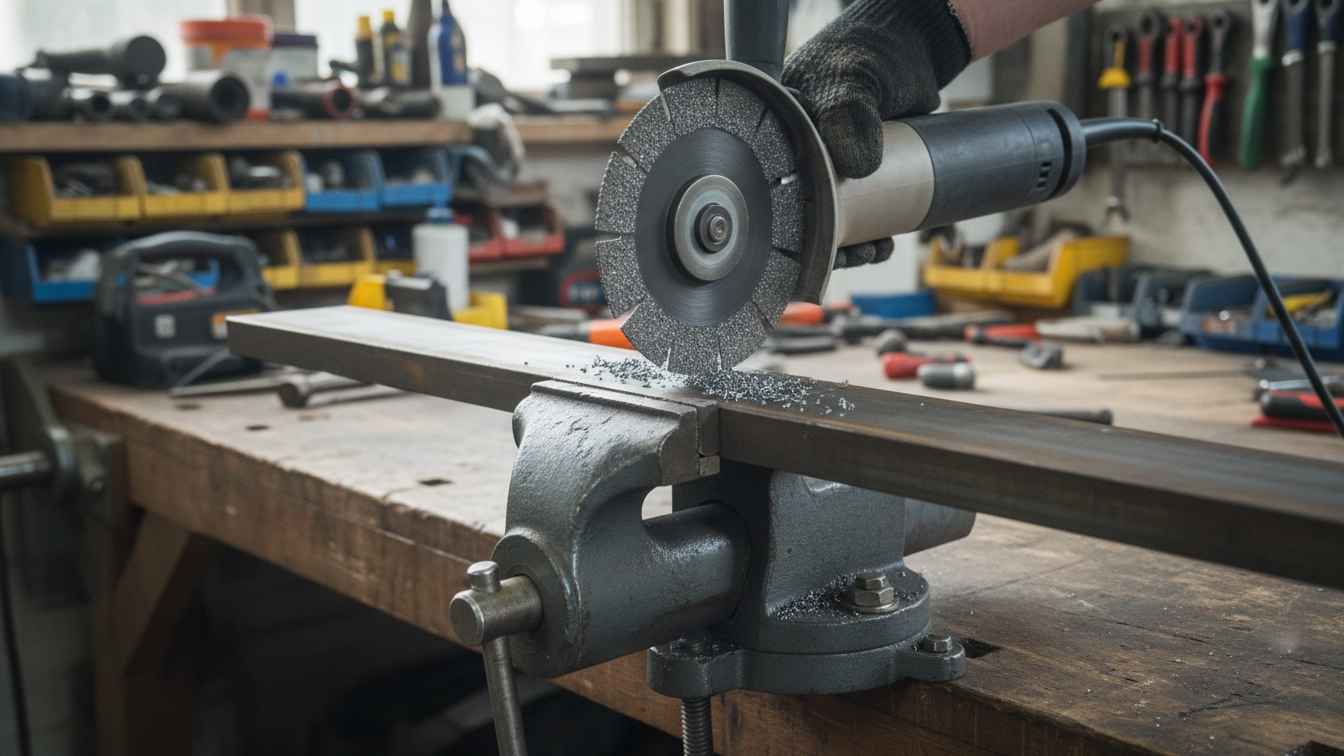
Yes, you can cut metal with a diamond blade, which grinds through metal using synthetic diamond particles embedded in a steel core.
Diamond blades last markedly longer, up to 30 times, than abrasive blades and produce cleaner, more precise cuts with less dust and sparks.
Specialized blade types like vacuum-brazed or laser-welded variants guarantee durability and heat resistance when cutting steel.
Using proper techniques and maintenance will maximize performance and blade lifespan. Here’s what you need to know to optimize your metal-cutting setup.
When you examine diamond blades, you’ll find their design centers on a steel core that supports the diamond segments while managing heat and debris through features like gullets and continuous rims. The steel core, often heat-treated high-speed steel, dissipates heat efficiently and minimizes warping risks. This heat dissipation is crucial for maintaining blade integrity during high-speed cutting of metals.
Diamond segments consist of synthetic crystals embedded in a metal matrix of iron, cobalt, and tungsten, with grit size and concentration tailored for metal cutting. Bonding methods vary; laser welding offers high-temperature resistance for dry or wet use, while silver brazing requires wet conditions to maintain bond integrity. The blade’s segmented rim design enhances cooling and slurry removal, ensuring consistent cutting depth and structural strength. This precise engineering enables effective grinding of metal at high rotational speeds.
Additionally, diamond blades operate by grinding through material rather than slicing with sharp teeth, which is essential for cutting metals efficiently. Understanding the role of thermal management in abrasive cutting tools can help optimize blade performance and longevity.
Diamond blades vary markedly in design to meet specific metal cutting demands, balancing speed, durability, and finish quality.
Segmented blades offer rapid cutting with cooling gaps, ideal for ferrous metals like steel, especially in dry applications. Their binder wear rate must be balanced to maintain cutting speed without premature wear. Proper cooling and flow control help prevent overheating and extend blade life.
Turbo blades merge speed with smoother finishes, employing notched edges and medium bond hardness, suited for steel pipes and decking. These blades often require adjustments in cutting parameters to optimize performance on different metal types.
Laser-welded blades provide high strength and heat resistance, maintaining segment integrity during intense dry cutting on steel and cast iron. The welding technique ensures minimal vibration and consistent cutting quality under demanding conditions.
SPX metal-cutting blades represent the premium option, vacuum-brazed for longevity and vibration reduction, handling wet or dry cuts on diverse materials. Their design allows for stable cutting conditions that reduce arc instability and improve operator control.
General metal-specific blades use synthetic diamonds optimized by particle size and slot design for airflow, ensuring precise cuts on hard ferrous metals. Selecting the appropriate blade composition significantly influences cutting efficiency and bead quality, much like choosing the correct shielding gas in welding.
Selecting the right blade depends on your metal type, cutting conditions, and desired finish. Understanding the interaction between blade design and metal properties is crucial for achieving optimal cutting results.
Understanding the fundamental differences between diamond and abrasive blades is essential for optimizing metal cutting tasks.
Diamond blades grind through metal using abrasive diamond particles, while abrasive blades slice with sharp, serrated teeth. Consider these key points:
Choosing between them depends on your metal type, cutting speed needs, and safety priorities.
When it comes to cutting steel, diamond blades really stand out. They’re super durable, lasting up to 100 times longer than your typical abrasive wheels. This means you won’t have to worry about frequent replacements, which can save you a lot of money in the long run and keep your downtime to a minimum.
Plus, they’re all about precision. With diamond blades, you get clean and consistent cuts at higher speeds, which helps reduce material waste and cuts down on the finishing work you might’ve to do afterward. It’s a win-win! Proper control of heat input during cutting also helps maintain blade integrity and prolongs its lifespan.
Another great thing about diamond blades is how well they manage heat. They generate less spark, which not only makes for a safer cutting experience but also allows you to tackle those demanding metal cutting tasks with confidence. Additionally, the exceptional hardness of diamond crystals embedded in the blade edge enables efficient cutting through tough materials like steel. Overall, if you’re in the market for reliable cutting tools, diamond blades for steel are definitely worth considering!
Although cutting steel presents significant wear challenges, selecting the right diamond blade dramatically enhances durability and longevity.
You must consider several critical factors to maximize blade life:
Beyond durability, diamond blades excel in delivering superior cutting precision and speed when working with steel. Their ability to maintain heat distribution helps prevent warping and preserves edge integrity during prolonged use.
You get clean, sharp cuts thanks to the grinding action of diamond particles, which reduce friction and maintain edge integrity. This effect is similar to how flame temperature control optimizes heat input in welding for precise metalworking.
They cut up to three times faster than traditional abrasive wheels, operating efficiently at speeds near 80 m/s. This faster, steadier cutting enhances efficiency and accuracy in metal fabrication, especially when using blades with strong metal bonding designed for cutting metal materials.
| Feature | Benefit |
|---|---|
| Cutting Precision | Clean, exact cuts |
| Friction Reduction | Smoother cutting action |
| Cutting Speed | 3x faster than abrasives |
| Operational Speed | Efficient at 80 m/s |
| Material Versatility | Cuts various ferrous, non-ferrous metals |
You’ll appreciate how these advantages streamline your steel cutting tasks without sacrificing accuracy.
Effective heat management is critical when cutting steel with diamond blades to prevent overheating and maintain blade integrity. You need to optimize cooling to guarantee durability and performance. Here’s how:
Implementing these measures safeguards the blade against thermal damage, maintains cutting efficiency, and extends service life when working with steel. Additionally, controlling heat input is essential because increased heat input enlarges grain size in the metal, potentially affecting the quality of the cut and material properties.
When cutting metal with a diamond blade, you must combine proper techniques with strict safety measures to guarantee efficient operation and prevent accidents.
Start by selecting a blade matched to your metal type: vacuum-brazed for steel, electroplated for thin non-ferrous metals. Metal-specific blades ensure optimal cutting performance and safety.
Choose the right blade for your metal: vacuum-brazed for steel, electroplated for thin non-ferrous metals.
Make certain your tool’s RPM and power meet manufacturer specs. Enter the material smoothly, avoiding sudden force. Controlling the cutting speed relative to metal thickness helps prevent blade damage and ensures clean cuts.
Rely on diamond sharpness and maintain recommended rotational speed to grind effectively. Use wet or air cooling to dissipate heat, preventing blade damage.
Always wear goggles, gloves, and ear protection to guard against metal shards and debris.
Follow guidelines on blade compatibility and speed to avoid inefficiency or kickback.
Proper technique and safety reduce risks, extend blade life, and ensure precise, controlled metal cutting.
To keep your diamond blade in top shape, it’s important to stick to a regular cleaning routine. Use manufacturer-approved solvents and soft brushes to wipe away any debris. This helps prevent corrosion and keeps your blade looking good.
Another thing you should do is dress the blade on an abrasive block from time to time. This will expose fresh diamond segments, which helps maintain cutting efficiency.
When you’re done using your blade, make sure to store it in a dry place and aligned properly. This will help avoid any damage and ensure that it performs consistently over time. Proper storage also prevents rust and corrosion, which can severely shorten blade lifespan. Additionally, keeping the blade dry helps prevent material deterioration, which is crucial for maintaining cutting performance.
Taking these simple steps can really extend the lifespan of your blade!
Regularly cleaning your diamond blade markedly extends its lifespan and maintains cutting efficiency.
Begin by safely removing the blade. Power off, wear gloves and goggles, then inspect for wear. It is also important to inspect diamond segments regularly for any signs of reduction in height or damage. Wearing heat resistant gloves during this process enhances safety and protection.
Next, soak the blade in warm soapy water or a citrus-based cleaner for 10-15 minutes to loosen debris.
Follow with gentle scrubbing using a nylon or wire brush focused on diamond segments to eliminate buildup without damaging them.
Finally, rinse thoroughly with clean water and dry completely using a soft cloth or paper towel to prevent rust. Ensure the blade is completely dry before storage to prevent corrosion.
This precise routine preserves blade integrity and maximizes cutting performance.
Mastering blade dressing techniques is essential for extending the lifespan and maintaining the cutting efficiency of your diamond blade.
Begin by running your saw into an appropriate dressing material, such as sandstone or a synthetic dressing stone, with steady coolant flow to cool and clear swarf. It is important to ensure the saw is unplugged before starting any inspection or maintenance work to maintain safety.
Apply variable pressure over multiple passes to sand back the metal matrix, exposing fresh diamonds without overcutting.
Use specialized tools like a 60-grit diamond dressing stone or a Carborundum stick depending on blade size and condition.
Dress regularly, especially when cutting hard materials or after noticing glaze buildup or sparks, as this prevents matrix wrapping around diamonds.
A properly dressed blade will cut smoothly, stay cool, and restore sharpness, ensuring precise, efficient performance and maximizing blade longevity.
Although diamond blades are designed for durability, their lifespan can be markedly shortened without proper storage practices.
To maintain blade integrity and prevent corrosion, follow these essential storage methods:
Implementing these steps preserves blade performance, reduces damage risk, and prolongs operational lifespan.
You can cut stainless steel with diamond blades, but not effectively unless you use specialized or coated diamond blades designed for this purpose.
Standard diamond blades wear out quickly due to stainless steel’s hardness and heat generation, causing inefficient cuts and premature blade damage.
To cut stainless steel efficiently, you should opt for segmented diamond blades with cooling features or consider carbide and abrasive blades specifically engineered for metal cutting to guarantee precision and blade longevity.
Picture your saw as a versatile artist’s brush. Diamond blades fit most metal cutting saws, including cut-off, chop, circular saws, and hand grinders.
You’ll find them compatible with handheld and stationary models, provided your saw packs enough power. However, not every blade suits every metal or saw type.
You must match blade design to your metal and saw for peak performance and longevity, maximizing efficiency while minimizing wear and heat issues.
Blade diameter directly impacts cutting depth, speed, and efficiency.
Larger blades let you cut thicker metal in fewer passes but require lower RPM and more power.
Smaller blades spin faster, ideal for thin metals and precision cuts, but limit depth.
You must match blade size to your saw’s capacity to avoid damage and guarantee safety.
Proper diameter selection also extends blade life and maintains consistent performance during metal cutting.
Picture your diamond blade spinning steadily, slicing through metal with precision.
For effective metal cutting, keep your RPM within the blade’s recommended range: for a 7″ blade, about 5,100 RPM; for 12″, around 3,024 RPM.
Remember, harder metals demand slower speeds to prevent overheating and diamond wear.
Use a tachometer to monitor RPM, never exceeding the blade’s max limit.
This ensures clean cuts and prolonged blade life.
Yes, you can cut thin metal sheets with diamond blades designed specifically for metal.
Electroplated diamond blades grind rather than cut, preserving edge precision and minimizing damage.
These blades handle softer, non-ferrous metals effectively, especially aluminum and copper.
Using vacuum-brazed, heat-resistant diamond blades lets you cut without water, reducing setup complexity.
Just make sure you select a metal-specific blade to avoid faster wear and maintain clean, damage-free cuts on thin sheets.
Cutting metal with a diamond blade is like wielding a precision scalpel, engineered for strength and efficiency.
When you choose the right blade and apply proper techniques, you transform raw steel into clean, exact cuts, symbolizing control over a challenging material.
By maintaining your blade and prioritizing safety, you guarantee consistent performance and longevity, much like sharpening a finely tuned instrument. This approach maximizes both your results and your equipment’s lifespan.