Phone:
(701)814-6992
Physical address:
6296 Donnelly Plaza
Ratkeville, Bahamas.

Phone:
(701)814-6992
Physical address:
6296 Donnelly Plaza
Ratkeville, Bahamas.

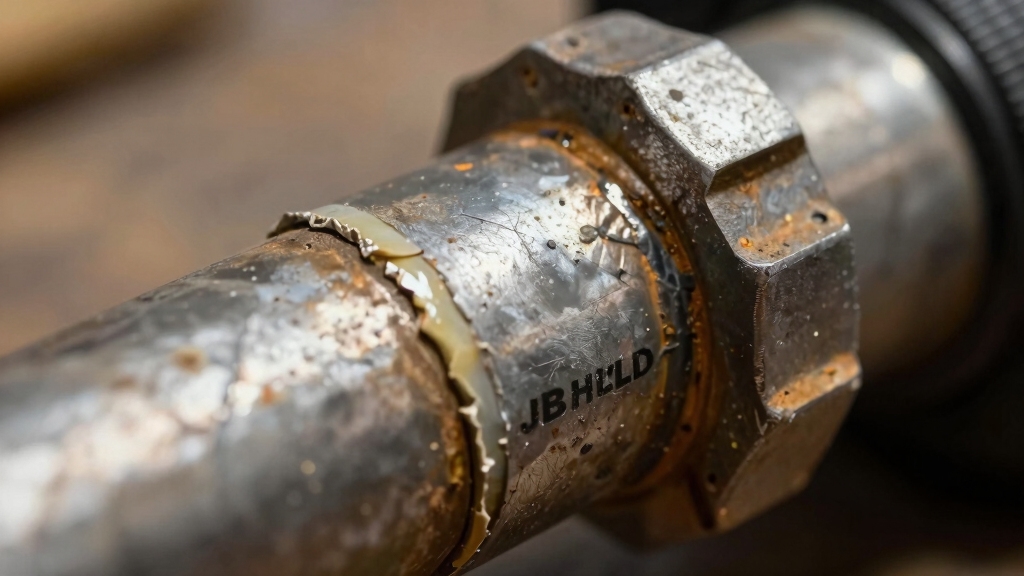
You can expect J-B Weld to last several years when properly applied, fully cured, and stored in a cool, dark place.
Unopened products typically remain viable for three years, while curing times vary by formula—from 5 minutes to 24 hours.
Durability depends on surface prep and environmental factors, with bonds withstanding temperatures up to 260ºC.
Improper storage or premature heating can degrade performance. Understanding these nuances helps maximize J-B Weld’s lifespan and effectiveness.
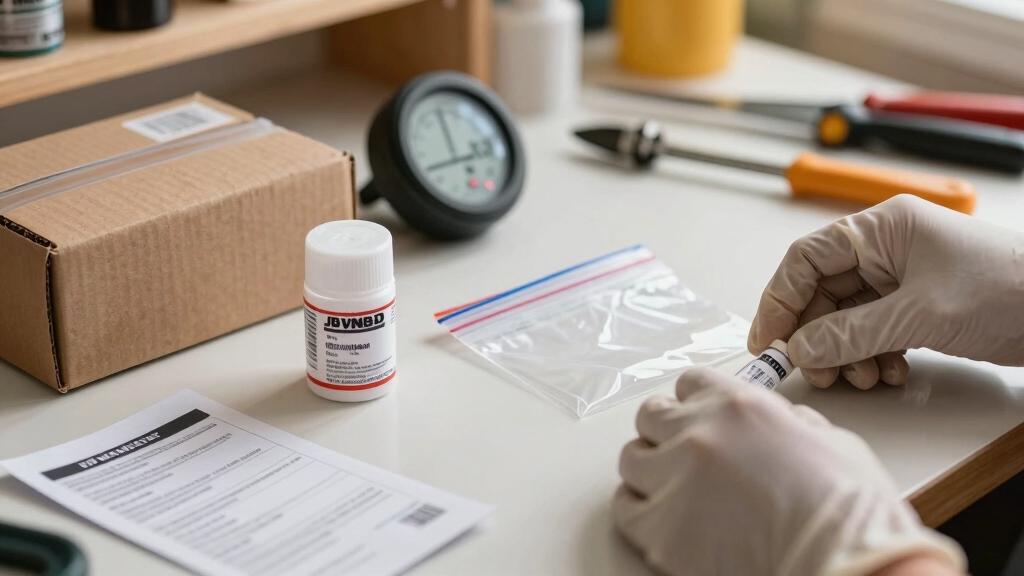
Although J-B Weld products have a standard unopened shelf life of three years, you can extend their usability by storing them in a cool, dark place away from extreme temperatures and humidity. This environment minimizes chemical degradation and prevents premature curing.
You should note that Twin Tubes and syringe formats may remain viable beyond three years if the components remain unmixed, preserving their reactive integrity. SuperWeld super glues, however, have a shorter unopened shelf life of 1 to 1.5 years due to their chemical composition.
Clear epoxy variants maintain their three-year rating regardless of seal status, indicating formulation stability. To maximize the epoxy’s performance, avoid exposure to light and heat, which accelerate polymer cross-linking and reduce working time. This ensures optimal adhesive strength when you eventually use the product.
Proper storage is crucial because temperature effects on curing can influence the epoxy’s setting and bonding strength.
Once you open a J-B Weld product, several factors directly influence its usable shelf life, primarily how you store it between uses.
You need to tightly secure caps to prevent air exposure, which accelerates curing and degrades resin quality.
Storing the product in a cool, dark environment slows chemical reactions, preserving epoxy integrity.
Contamination from dirt or moisture can compromise the compound’s bonding properties, so keeping the tubes clean and sealed is essential.
Using airtight bags enhances protection from humidity and oxygen.
Temperature fluctuations should be minimized since heat can prematurely trigger partial curing.
Reports suggest that with proper sealing and cool storage, opened J-B Weld tubes maintain usability for decades.
Neglecting these controls drastically reduces effective shelf life and bonding reliability.
Proper surface preparation before application also plays a role in maximizing the performance of the epoxy over time.
Understanding how J-B Weld products cure is key to achieving a reliable bond. The original J-B Weld epoxy sets in 4–6 hours and fully cures within 16–24 hours, forming a dark grey, hard bond.
KwikWeld offers a faster set time of 6 minutes and cures in 4–6 hours, suitable for quick repairs but with slightly reduced strength. MarineWeld matches the original’s cure time but cures white.
ClearWeld sets in 5 minutes and cures in just 1 hour, providing a clear finish for aesthetic repairs. WaterWeld starts drying within hours and fully dries in 12–24 hours.
Environmental factors like temperature and humidity influence cure times, so always mix to a uniform color and prep surfaces thoroughly to guarantee peak curing and bond integrity. For best results, apply epoxy only on dry, prepped surfaces to ensure the strongest bond and durability.
J-B Weld typically delivers strong, long-lasting repairs when applied correctly and on well-prepared surfaces. You’ll find that epoxy-based bonds can endure several years under moderate conditions.
For example, an axle housing repair may last 3-4 years in a temperate climate before showing fatigue. However, performance heavily depends on surface prep and environmental stress.
Radiator crack repairs have failed within a day due to insufficient adhesion and thermal cycling. J-B Weld excels when bonding tight-fitting surfaces but struggles to seal large gaps because it lacks flexibility.
Its durability under mechanical stress and temperature extremes (down to -55ºC, up to 260ºC constant) confirms its suitability for many demanding repairs.
This is provided you allow a full cure and optimize substrate cleanliness and roughness for maximum bond strength. Proper surface preparation with thorough rust removal and drying is essential for achieving maximum adhesion and durability.
Though epoxy adhesives vary widely, you can expect the original J-B Weld formula to withstand continuous temperatures up to 260ºC and short-term exposure up to 316ºC for about 10 minutes.
This thermal tolerance suits most automotive and industrial applications, but you should avoid prolonged exposure beyond these limits to prevent bond degradation.
For higher-temperature scenarios, ExhaustWeld Repair Wrap tolerates up to 600ºC, making it ideal for entire exhaust systems.
Remember, quick-setting J-B Weld variants have lower temperature resistance and typically cure weaker, so use them only for less demanding tasks.
Always make certain the epoxy fully cures before subjecting it to heat extremes, as premature heating compromises mechanical integrity.
Additionally, J-B Weld maintains functionality down to -55ºC, offering a broad operational temperature range for diverse environments.
Proper curing time and surface preparation are critical to achieving maximum heat tolerance and long-term durability under thermal stress.
You can use JB Weld underwater or in constantly wet conditions, but you need to prep the surface thoroughly by cleaning and roughening it.
WaterWeld, a JB Weld variant, is designed for wet environments and starts drying within hours, curing fully in 12-24 hours.
However, make sure the epoxy cures completely before exposing it to pressure or stress.
Keep in mind, larger gaps or constant heavy water flow might reduce bond strength over time.
Think of JB Weld as a steadfast bridge builder, strong but selective about its terrain.
When bonding plastic or rubber, it’s like trying to anchor in shifting sands. These materials’ flexibility and low surface energy challenge its grip.
JB Weld can adhere to some rigid plastics after proper prep, but rubber’s elasticity often causes bond failure.
For reliable results, you’ll want specific adhesives designed for flexible or low-energy surfaces, not the standard epoxy.
JB Weld isn’t classified as food-safe or non-toxic after curing. You shouldn’t use it on surfaces that contact food or drinking water because it contains chemicals that might leach harmful substances.
If you need a repair for kitchenware or food-related items, consider FDA-approved epoxy alternatives specifically designed for food contact. Always review product safety data sheets before applying epoxy in any environment involving ingestion or prolonged human exposure.
Think of JB Weld as a sculptor’s clay. Once fully cured, you hold a solid canvas. Yes, you can sand or paint it after curing; sanding smooths imperfections while paint seals and protects the surface.
Make certain it cures completely—typically 16-24 hours for original formulas—before any finishing. Use fine-grit sandpaper for precision and select compatible paints for adhesion. This precision guarantees durability and maintains the bond’s integrity under stress.
To remove uncured J-B Weld from your skin, immediately wash the area with warm, soapy water to loosen the epoxy.
Avoid using solvents like acetone unless necessary, as they irritate skin.
If needed, gently rub with a soft cloth soaked in isopropyl alcohol, then rinse thoroughly.
Do not scrub harshly to prevent abrasion.
Prompt cleaning before curing minimizes adhesion and skin damage, ensuring safe and effective removal.
When you use JB Weld, its longevity hinges on proper storage and application. Unopened, it can last years, but once opened, exposure to air shortens its shelf life.
Cure times vary by product, affecting final strength. In real-world repairs, JB Weld holds up impressively under temperature stress, but pushing beyond its limits can compromise results.
Remember, don’t put all your eggs in one basket. Always match the right product to your specific repair for peak durability.