Phone:
(701)814-6992
Physical address:
6296 Donnelly Plaza
Ratkeville, Bahamas.

Phone:
(701)814-6992
Physical address:
6296 Donnelly Plaza
Ratkeville, Bahamas.

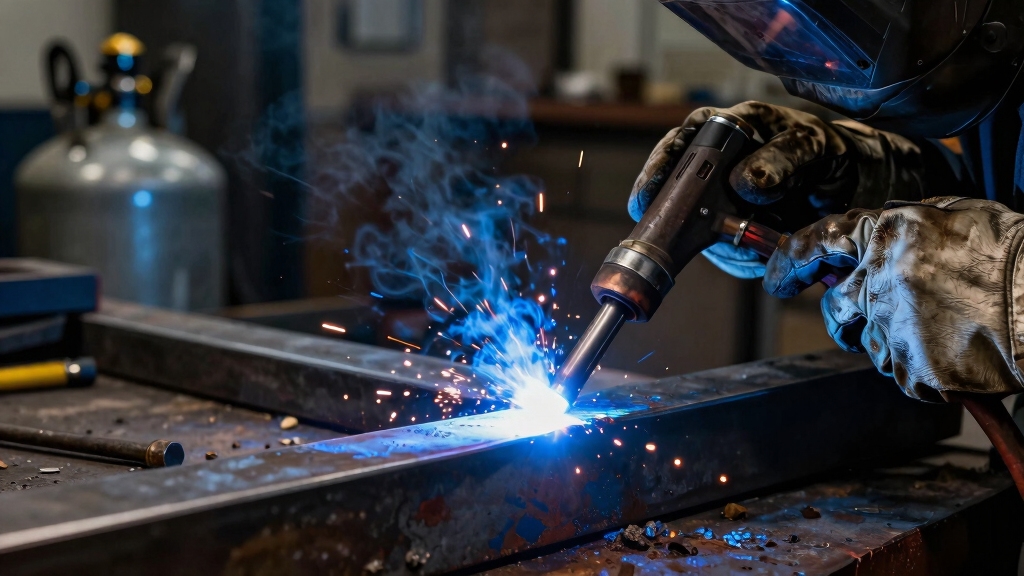
You can tig weld without gas only for very brief tacks on mild steel, but this greatly risks oxidation, porosity, and electrode burnout.
Without shielding gas, your weld pool is exposed to atmospheric contamination, causing weak, porous welds and rapid tungsten degradation.
Continuous welds become impossible, and you’ll face poor arc stability and inconsistent bead appearance.
Understanding the limitations, material suitability, and protective gas roles helps you optimize weld quality and electrode life.
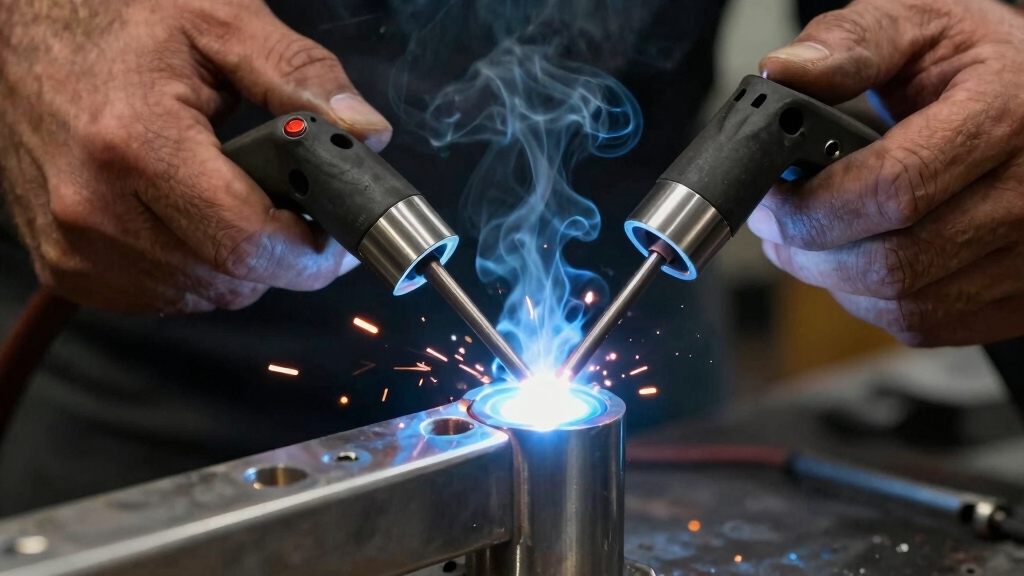
Although TIG welding relies heavily on the tungsten electrode to create a stable arc, you can’t achieve a quality weld without shielding gas protecting both the electrode and the weld pool from atmospheric contamination.
TIG welding demands shielding gas to safeguard the electrode and weld pool from contamination.
The inert gas, typically argon, forms a protective envelope that prevents oxygen, nitrogen, and other airborne contaminants from reacting with the molten metal and tungsten.
This protection is vital because exposure leads to oxidation, porosity, and contamination, which severely degrade weld strength and appearance.
Moreover, shielding gas cools the tungsten electrode, preventing overheating and premature burnout.
Without continuous gas flow, the weld pool and electrode are vulnerable, compromising the weld’s integrity and defining characteristics.
Consequently, shielding gas is indispensable to maintain the chemical stability and mechanical properties essential for TIG welding’s precision and quality.
The shielding gas delivery system and proper gas flow rate are critical components to ensure consistent protection during the welding process, preventing defects and maintaining arc stability. shielding gas delivery system
Without shielding gas, your TIG weld quickly deteriorates in quality and durability.
Oxygen and airborne contaminants react with the molten metal, causing oxidation and porosity that weaken the weld.
You’ll notice an ash-like, uneven bead plagued by spatter and discoloration.
The tungsten electrode overheats rapidly without the cooling effect of inert gas, reducing its lifespan to mere seconds and risking torch burnout.
The arc becomes unstable, making it difficult to maintain consistent penetration and bead appearance.
Contamination results in trapped gas bubbles, creating microscopic flaws that compromise structural integrity.
Ultimately, without gas, the weld’s mechanical properties and aesthetics suffer drastically.
What you produce isn’t true TIG welding but a severely degraded approximation prone to failure and safety hazards.
Proper shielding gas flow rates are critical to prevent contamination and maintain weld quality by avoiding turbulence and air entrainment within the weld pool environment.
When you weld TIG without gas, things get tricky. The tungsten electrode and the molten pool don’t have the shielding they need, which leads to rapid oxidation and contamination.
Because of this, you can only do very short tacks on mild steel. If you try to weld continuously, you’ll quickly ruin the electrode and the quality of your work takes a hit.
Plus, there are material compatibility issues to consider. You also run the risk of problems like porosity and spatter.
Additionally, unstable arc initiation without shielding gas can increase the risk of arc strikes, causing localized damage to the base metal.
Typically, gasless TIG welding operates by briefly maintaining an arc without inert gas shielding. It relies on precise control of arc length and travel speed to minimize exposure to atmospheric contaminants.
You must keep the tungsten electrode active for only a few seconds, usually under three, to prevent rapid oxidation and overheating. This technique demands tight arc length control and rapid tacking to reduce air exposure. The absence of inert gas leaves the weld pool vulnerable to oxygen and nitrogen.
You can only apply gasless TIG on short tack welds, primarily on mild steel, since other metals oxidize quickly. Without shielding, tungsten deteriorates swiftly, and contamination risks spike.
Post-flow can’t cool the torch here, so operational time remains extremely limited. This is to avoid electrode burnout and compromised weld integrity.
Because gas shielding is critical, gasless TIG welding lacks the inert gas protection needed for high-quality, contamination-free welds.
Although gasless TIG welding might seem convenient, it presents significant limitations and risks that impact weld quality and electrode longevity.
Without shielding gas, atmospheric oxygen and nitrogen contaminate the weld pool and tungsten electrode, causing rapid oxidation and spatter. You’ll find that the tungsten electrode degrades within seconds, limiting you to short tack welds only.
Maintaining arc length and travel speed becomes critical but difficult, increasing the chance of defects. Key limitations and risks include:
Additionally, the absence of shielding gas prevents the use of optimal DCEN polarity, which is essential for stable arcs and prolonged tungsten life.
Material compatibility sharply limits gasless TIG welding’s effectiveness, restricting you primarily to mild steel applications. Without inert gas shielding, metals like aluminum and stainless steel oxidize rapidly, resulting in porous, contaminated welds.
The tungsten electrode’s exposure to oxygen accelerates degradation, making sustained arcs impossible on reactive metals. While carbon steel might tolerate brief attempts using flux-cored wire, the absence of proper shielding compromises weld integrity and appearance.
Gasless TIG fails to protect molten pools from atmospheric nitrogen and oxygen, increasing spatter and weakening the bead. Consequently, your material options narrow drastically compared to conventional TIG welding, which employs argon or helium to prevent oxidation and contamination.
For reliable, high-quality welds on diverse metals, you must prioritize shielding gas to maintain weld pool purity and electrode longevity. Using 2% ceriated tungsten electrodes in conjunction with shielding gas is essential for stable arcs and prolonged tungsten life when welding aluminum.
You can really only weld a few types of materials without using shielding gas, and mild steel tops the list because it’s less reactive. It makes the whole process a lot easier!
But here’s the catch—if you try gasless TIG welding on aluminum or stainless steel, you’re in for some trouble. Those materials tend to get contaminated quickly, which can seriously mess up the integrity of your welds. For certain metals like cast iron, using nickel-based filler wires with proper heat control is crucial even when shielding gas is used.
Welding without shielding gas sharply limits your choice of metals primarily to mild steel, which can tolerate brief, gasless TIG tacking under highly controlled conditions.
Other metals like aluminum and stainless steel quickly suffer oxidation and contamination without gas protection, rendering them unsuitable.
Carbon steel attempts with flux-cored wire show flawed results but still rely on shielding.
The lack of inert atmosphere causes rapid tungsten degradation and weld defects, so your options narrow drastically.
Consider these points for suitable metals without gas:
Stick to mild steel for any gasless TIG application to maintain weld integrity.
Keep in mind that aluminum’s surface quickly forms native aluminum oxide, which has a high melting point and inhibits weld penetration without proper shielding.
While mild steel can endure brief gasless TIG tacks, other metals present significant challenges when shielding gas is absent.
You’ll find aluminum and stainless steel highly susceptible to oxidation and contamination without inert gas, leading to rapid weld deterioration.
Carbon steel attempts with flux-cored wire still fail to replicate the protective atmosphere tungsten requires, resulting in porous, weak welds.
Without gas, the tungsten electrode withstands only seconds before overheating, making continuous welds impossible on most materials.
The absence of shielding gas severely restricts your material options, confining you primarily to short mild steel tacks.
Ultimately, welding without gas compromises weld integrity, surface quality, and electrode longevity.
You must recognize these material limitations before attempting gasless TIG welding.
Using proper argon shielding gas is critical to prevent oxidation and maintain weld quality during TIG welding.
Shielding gases play a critical role in TIG welding by protecting the tungsten electrode and weld pool from atmospheric contamination.
You need an inert gas to prevent oxidation, porosity, and electrode degradation. This ensures weld integrity and appearance.
The best gases balance protection, heat transfer, and cost-effectiveness:
Choosing the correct shielding gas directly impacts weld quality, thermal control, and electrode lifespan in TIG welding. Typical TIG gas flow rates range from 10 to 35 CFH, adjusted by gas type and welding conditions to maintain an effective shielding atmosphere.
Although performing TIG welding without gas is inherently risky, you can minimize some hazards by maintaining an extremely tight arc length and using rapid, controlled tacks to limit exposure of molten metal to atmospheric contaminants.
You must clean the base metal meticulously to reduce spatter and oxidation. Keep your tungsten electrode usage under three seconds without shielding to prevent rapid deterioration and torch overheating.
Consistently controlling arc time and length reduces porosity and oxidation risks but doesn’t eliminate them. Use this technique only on mild steel, as other metals rapidly degrade without inert gas protection.
Yes, you can buy gasless TIG welding equipment commercially, but it’s quite specialized and limited.
Manufacturers offer setups designed for very short tacks on mild steel without shielding gas, using flux-cored wire or modified torches.
However, these systems aren’t true TIG welders and require expert handling due to rapid tungsten degradation and contamination risks.
Expect compromised weld quality and restricted material options compared to standard gas-shielded TIG equipment.
Imagine you’re trying to tack weld a thin steel bracket without gas; your speed is forced to slow drastically to avoid tungsten burnout and contamination.
Gasless TIG welding reduces your productivity because you must maintain an extremely short arc and quick, precise movements.
Continuous welds become impossible, forcing frequent stops.
This inefficiency arises from poor shielding, leading to rework and wasted time, ultimately lowering your overall welding throughput dramatically.
Yes, you face unique health risks with gasless TIG welding. Without inert gas shielding, oxidation produces toxic fumes and airborne contaminants that irritate your respiratory system.
The increased spatter and unstable arc create more metal particulates, raising inhalation hazards. Overheated tungsten electrodes can release harmful metal oxides.
You’ll also encounter elevated ultraviolet radiation exposure due to inconsistent arc stability, increasing risks of eye and skin damage. Proper ventilation and PPE become critical.
You’ll find gasless TIG torches require more frequent tungsten electrode replacement due to rapid oxidation and overheating without shielding gas.
Gas-cooled torches benefit from inert gas flow that cools and protects internal parts, reducing wear.
In contrast, gasless setups demand vigilant cleaning to remove oxidation and spatter buildup.
Torch components degrade faster in gasless configurations.
Proper post-weld cooling cycles are less effective, so maintenance intervals shorten markedly to preserve torch integrity.
Yes, you can combine gasless TIG welding with other methods like MIG or stick welding for short tacks or repairs.
However, expect compromised quality.
Gasless TIG’s contamination risks and electrode burnout limit its use to brief applications.
Integrating flux-cored MIG wire offers partial shielding but introduces flaws.
For structural integrity and aesthetics, rely on shielding gas TIG or complementary processes with proper inert protection to avoid porosity and oxidation issues.
You should know that shielding gas reduces contamination by up to 90%, making it essential for quality welds. Welding without gas increases oxidation and porosity, compromising strength and appearance.
While gasless TIG methods exist, they’re limited to specific materials and conditions. To minimize risks, you must control the environment meticulously.
Ultimately, relying on proper shielding gas secures weld integrity and longevity, which gasless alternatives can’t consistently guarantee.