Phone:
(701)814-6992
Physical address:
6296 Donnelly Plaza
Ratkeville, Bahamas.

Phone:
(701)814-6992
Physical address:
6296 Donnelly Plaza
Ratkeville, Bahamas.

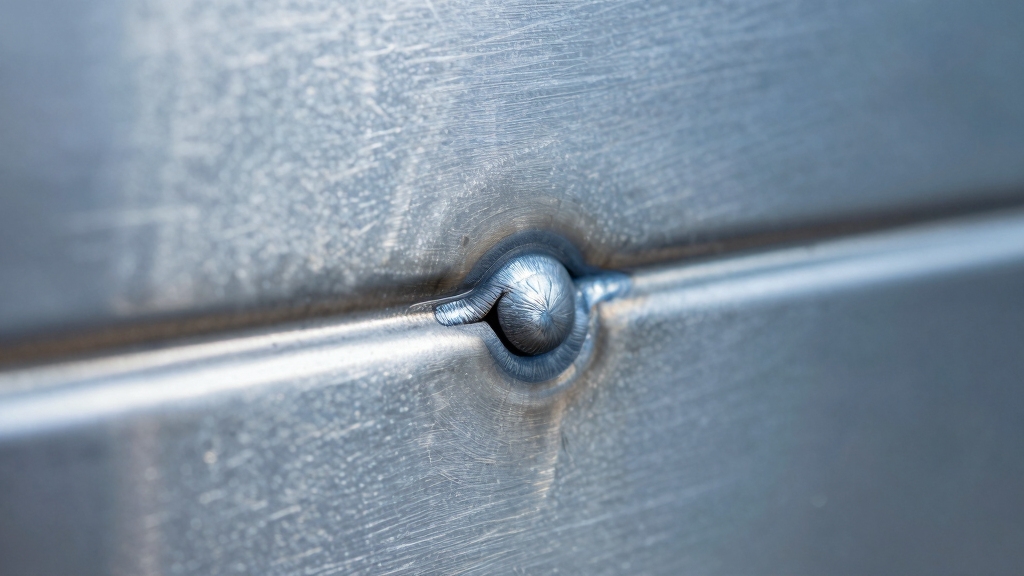
You can spot weld stainless steel reliably by carefully controlling current, electrode force, and heat input to produce strong, consistent weld nuggets with minimal distortion.
Use appropriate copper alloy electrodes, especially for galvanized surfaces, and adjust electrical settings to suit the stainless grade.
Higher currents are often needed due to stainless steel’s resistivity. Managing heat limits corrosion risks and preserves mechanical strength.
Understanding these factors helps optimize weld quality and durability for your applications and challenges.
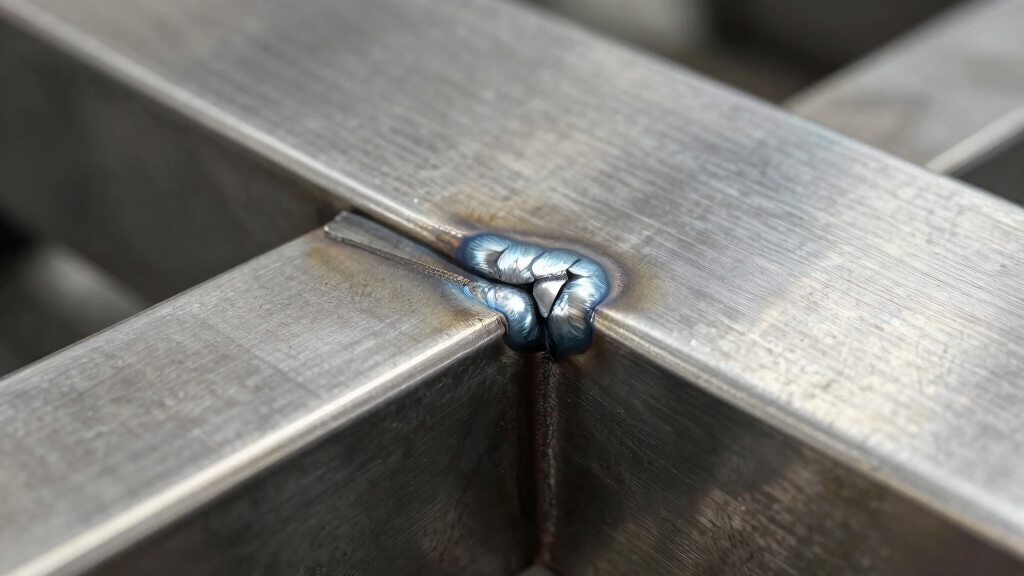
Although spot welding stainless steel demands careful control of current and electrode placement, it remains a reliable joining method when executed correctly.
You’ll find that almost all stainless steel grades, including Types 309, 310, 316, 317, and 321, can be effectively welded using this process.
The key lies in managing electrical parameters precisely. Low-voltage currents between 1 and 20 volts, with adequate current intensity, guarantee sufficient heat generation without damaging the material.
You must also consider the magnetic properties of certain stainless steel grades, as they may influence weld quality and brittleness.
Ensuring proper electrode force and current control is essential for producing strong, consistent welds without defects.
In spot welding stainless steel, you join metals by applying electrical current and pressure simultaneously through copper alloy electrodes positioned on either side of the workpieces. This generates heat from electrical resistance, melting the metal at the contact point. Once molten, the pressure from the electrodes squeezes the metal to form a solid weld nugget as it cools.
| Step | Description |
|---|---|
| Electrode Placement | Electrodes grip both metal sheets |
| Current Application | High current passes to generate heat |
| Melting | Heat melts metal creating fusion zone |
| Cooling & Pressure | Pressure maintains weld during solidification |
This method guarantees a small heat-affected zone, preserving stainless steel’s properties while creating a strong joint. Proper control of heat input is critical to avoid compromising the corrosion resistance of the stainless steel during welding.
You can spot weld a variety of stainless steel types, including popular grades like 309, 310, 316, and 321. However, when dealing with magnetic grades, you need to exercise careful control. Why? Because they can have variable weld brittleness, which might affect the quality of your weld.
Now, let’s talk about galvanized stainless steel. It can be a bit tricky. You’ll find that it requires increased current and can lead to more electrode wear. This can really impact the quality of your welds if you’re not careful.
To ensure optimal results, it is essential to maintain proper shielding gas coverage during welding to prevent oxidation and contamination that degrade weld integrity.
When selecting stainless steel for spot welding, you should focus on grades known for their consistent weldability and structural integrity under electrical resistance heating.
Austenitic types such as 309, 310, 316, 317, and 321 exhibit excellent weldability due to their stable microstructure and resistance to thermal cracking.
These alloys maintain strength and corrosion resistance even after welding.
Ferritic and martensitic grades can be spot welded but may require adjusted parameters to mitigate brittleness and guarantee joint durability.
Avoid copper, brass, or aluminum as base metals, since their electrical and thermal properties hinder effective spot welding.
Always consider the alloy’s electrical resistance and thermal conductivity, as these influence heat generation and nugget formation.
This directly impacts weld quality and structural performance of the final joint.
Proper surface preparation and cleaning are essential to prevent porosity and weak fusion that can compromise spot weld integrity.
Magnetic stainless steel grades bring unique challenges to spot welding that you need to address carefully. These grades, primarily ferritic and martensitic types, exhibit higher electrical resistance and magnetic permeability than austenitic grades. This affects current flow and heat generation during welding.
You’ll often require adjustments in welding current and time to compensate for these differences and achieve a consistent weld nugget. Additionally, magnetic grades tend to produce welds with increased brittleness, so controlling heat input is critical to prevent cracking.
You must also consider the grade’s microstructure and carbon content, as these influence weldability and mechanical properties. By selecting appropriate parameters and understanding the magnetic grade’s behavior under current, you can optimize weld quality and structural integrity for spot welding magnetic stainless steels. Using the correct polarity settings helps control heat input and penetration, which is essential for managing weld quality in these materials.
Although spot welding stainless steel is generally straightforward, galvanized steel introduces specific challenges that demand careful consideration.
Zinc coatings on galvanized steel cause increased electrical resistance, requiring higher welding currents to achieve proper fusion.
This elevated current accelerates copper electrode degradation, reducing electrode life and compromising weld consistency.
Additionally, zinc vaporizes during welding, potentially ejecting molten metal from the weld zone and causing voids or weak joints.
To maintain weld quality, you must frequently dress electrode tips or replace electrodes to remove zinc-contaminated material.
Proper current control and electrode maintenance are critical to counteract these effects.
Understanding galvanized steel’s behavior helps you optimize parameters and prevent weld defects, ensuring durable, reliable spot welds despite the inherent difficulties posed by zinc coatings.
Implementing fume controls such as source capture ventilation and PPE is essential to protect welders from hazardous zinc oxide fumes generated during welding.
Because stainless steel requires specific electrical parameters for spot welding, you must carefully control current and voltage to guarantee weld quality.
Low-voltage currents ranging from 1 to 20 volts are essential, with higher currents often needed compared to mild steel due to stainless steel’s higher resistivity.
Maintaining stable current is critical, as fluctuations can weaken the weld nugget.
| Parameter | Typical Range |
|---|---|
| Voltage | 1 – 20 V |
| Welding Current | 5,000 – 30,000 A |
| Weld Time | 0.1 – 1.5 seconds |
Adjust these parameters based on stainless steel grade and thickness.
Precise timing and current control ensure proper heat generation (Q = I²Rt), sufficient melting, and strong weld formation without overheating or electrode damage.
Using small amounts of hydrogen additives in shielding gases can improve penetration and welding speed for stainless steel spot welding.
When you spot weld stainless steel, you might notice that the joint strength can vary quite a bit. This variation really depends on factors like the size and quality of the weld. It’s interesting how something as simple as the welding technique can make a difference, right?
Now, let’s talk about corrosion resistance. It can actually take a hit in certain areas due to changes in the metal’s microstructure, especially in the heat-affected zone. This is something to keep in mind if you’re aiming for durability in your welds.
Controlling heat input during welding is essential to minimize distortion and preserve corrosion resistance.
Spot welding alters the microstructure of stainless steel at the joint, which directly impacts both its strength and corrosion resistance.
You’ll notice that the weld nugget’s size governs joint strength, with diameters typically ranging from 3 to 12.5 millimeters.
The localized heat-affected zone (HAZ) is minimal, preventing extensive deformation but potentially introducing brittleness, especially in certain stainless steel grades.
This brittleness can reduce tensile strength compared to the base metal, making the joint more susceptible to fracture under stress.
Additionally, the weld’s metallurgical transformations influence hardness and ductility, requiring you to optimize current and pressure parameters carefully.
Understanding these strength variations helps you tailor the welding process for structural reliability without compromising the joint’s performance in demanding environments.
Plasma cutting, known for producing a minimal heat-affected zone (HAZ), offers a useful comparison in managing thermal impact during metal joining and cutting processes.
Although spot welding efficiently joins stainless steel components, it can alter the material’s corrosion resistance. This is due to changes in the weld zone’s microstructure and surface chemistry.
The heat generated during welding may cause chromium carbide precipitation at grain boundaries. This reduces chromium availability and increases susceptibility to intergranular corrosion. Additionally, surface oxidation can form during welding, compromising the passive oxide layer that is vital for corrosion resistance.
| Factor | Impact on Corrosion Resistance |
|---|---|
| Chromium carbide formation | Depletes chromium, promotes corrosion |
| Heat-affected zone (HAZ) | Alters microstructure, weakens protection |
| Surface oxidation | Disrupts passive oxide layer |
Using proper shielding gases like argon with nitrogen or hydrogen blends can help maintain weld quality and reduce corrosion risks by stabilizing the arc and minimizing oxidation during stainless steel welding through improved arc stability.
Understanding the relationship between weld size and durability is essential for ensuring the structural integrity of stainless steel assemblies.
When you spot weld stainless steel, the weld diameter typically ranges from 3 to 12.5 millimeters, directly influencing joint strength.
Larger welds distribute stress better, enhancing mechanical strength, but may increase the heat-affected zone, potentially impacting corrosion resistance.
You must carefully control weld size to balance strength and durability without compromising stainless steel’s inherent corrosion properties.
Additionally, spot welds produce minimal deformation due to the localized heat, preserving overall material integrity.
However, some stainless steel grades can form brittle welds, so optimizing weld parameters and size is imperative for durable, resilient joints capable of withstanding mechanical loads and corrosive environments.
When welding galvanized stainless steel, you’ll encounter increased challenges due to the zinc coating. This demands higher welding currents compared to uncoated stainless steel.
The zinc layer raises electrical resistance, causing excessive heat generation. This can lead to weld metal expulsion or porosity.
You must also consider rapid copper electrode degradation, as zinc accelerates electrode tip contamination and wear. This degradation compromises current flow consistency, reducing weld quality and repeatability.
Additionally, maintaining stable electrode pressure and frequent dressing of electrode tips become critical to prevent defects.
The volatile nature of zinc vapor during welding further complicates heat control. This increases the risk of weld spatter and weakening the joint.
These factors collectively require careful monitoring to achieve sound spot welds on galvanized stainless steel.
Welding galvanized stainless steel introduces complexities that highlight the need for refined techniques to guarantee weld integrity.
To enhance spot weld quality, you must carefully control welding current and duration, ensuring sufficient heat without excessive electrode wear.
Carefully managing welding current and time is key to achieving strong welds without damaging electrodes.
Regularly dress electrode tips to prevent contamination from zinc coatings, which degrade electrode performance and cause inconsistent welds.
Maintain consistent electrode force to avoid weld expulsion or insufficient nugget formation.
Use appropriate copper alloy electrodes designed for galvanized surfaces to extend tool life.
Monitor voltage stability closely, as fluctuations can compromise weld consistency.
Finally, optimize weld parameters for the specific stainless steel grade, considering its electrical resistance and thermal conductivity.
Yes, you can automate spot welding stainless steel in mass production. You control timing, current, and pressure precisely with computerized systems.
You guarantee consistent weld quality by regulating low-voltage currents and electrode positioning. You monitor electrode wear and replace or dress tips to maintain performance.
You handle zinc-coated steels carefully by adjusting currents and managing electrode degradation. This automation boosts speed, repeatability, and weld reliability, making it ideal for large-scale manufacturing.
Spot welding stainless steel is faster and more suited for thin sheets compared to TIG welding.
TIG welding offers superior precision and weld quality. You’ll find spot welding ideal for quick, repetitive joints with minimal heat-affected zones.
TIG welding allows for greater control over weld penetration, making it better for thicker materials or critical joints.
TIG also preserves corrosion resistance better, but it’s slower and requires filler material, unlike spot welding’s filler-free process.
Think of stainless steel spot welding like defusing a bomb: you need precision and caution.
You should wear insulated gloves and a welding helmet with a proper shade to protect from sparks and UV radiation.
Make sure good ventilation to avoid inhaling harmful fumes.
Keep your workspace clear of flammable materials and double-check your equipment’s grounding.
Following these steps reduces electrical shock and burns risks, helping you produce reliable, high-quality welds safely.
Yes, you can spot weld stainless steel sheets of different thicknesses, but you’ll need to adjust welding parameters carefully.
Thicker sheets require higher current and longer weld times to generate adequate heat for fusion. You must balance electrode pressure and heat input to avoid expelling molten metal or creating brittle welds.
Proper control of current, time, and electrode force guarantees a strong joint despite thickness variation in stainless steel sheets.
Like a blacksmith forging armor, your choice of electrode material critically impacts stainless steel spot welding longevity.
Copper alloy electrodes deliver excellent conductivity and durability but degrade quickly when welding zinc-coated stainless steel due to contamination and heat.
You’ll need to frequently dress or replace electrodes to maintain weld quality.
Using proper electrode materials minimizes wear, prevents metal ejection, and guarantees stable current flow.
This directly enhances weld consistency and electrode lifespan.
Spot welding stainless steel is like forging a lightning strike. It is precise and powerful when done right. You’ll find reliability hinges on selecting the right grade and fine-tuning electrical settings. This balances strength and corrosion resistance.
While galvanized stainless steel poses unique challenges, mastering these variables sharpens your weld quality.
By understanding the science behind each spark, you transform a fleeting arc into a durable, resilient bond that meets rigorous demands.