Phone:
(701)814-6992
Physical address:
6296 Donnelly Plaza
Ratkeville, Bahamas.

Phone:
(701)814-6992
Physical address:
6296 Donnelly Plaza
Ratkeville, Bahamas.

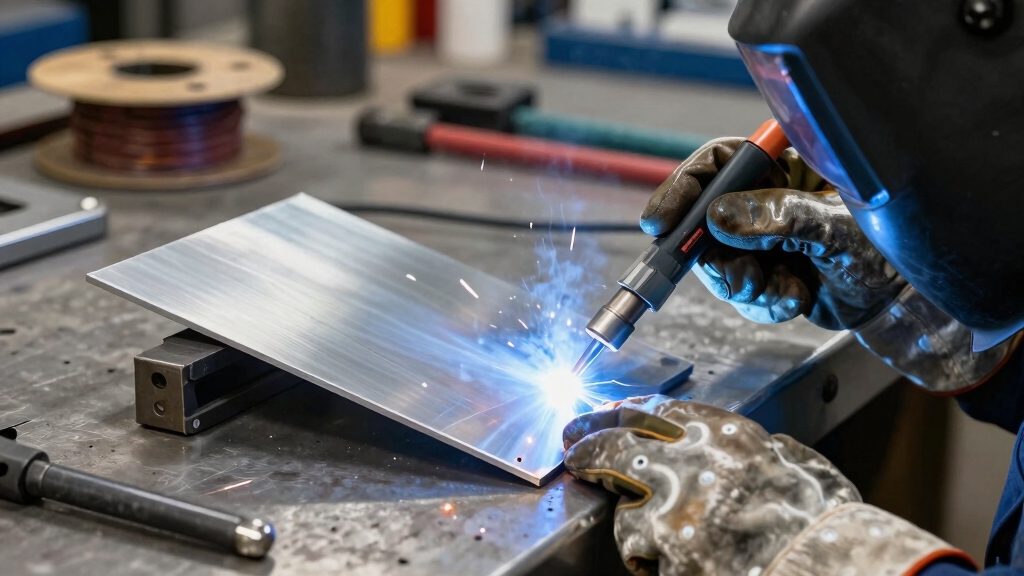
To weld aluminum effectively, you’ll need an AC/DC TIG welder with inverter technology that breaks the aluminum oxide layer for a stable arc and strong joints. A DC-only machine can’t provide this capability.
Choose 2% ceriated or lanthanated tungsten electrodes for peak arc stability. For thicker sections or faster work, MIG with a spool gun and 100% argon gas is ideal.
Proper equipment, settings, and safety gear are critical to success. There’s more to explore about technique and troubleshooting.
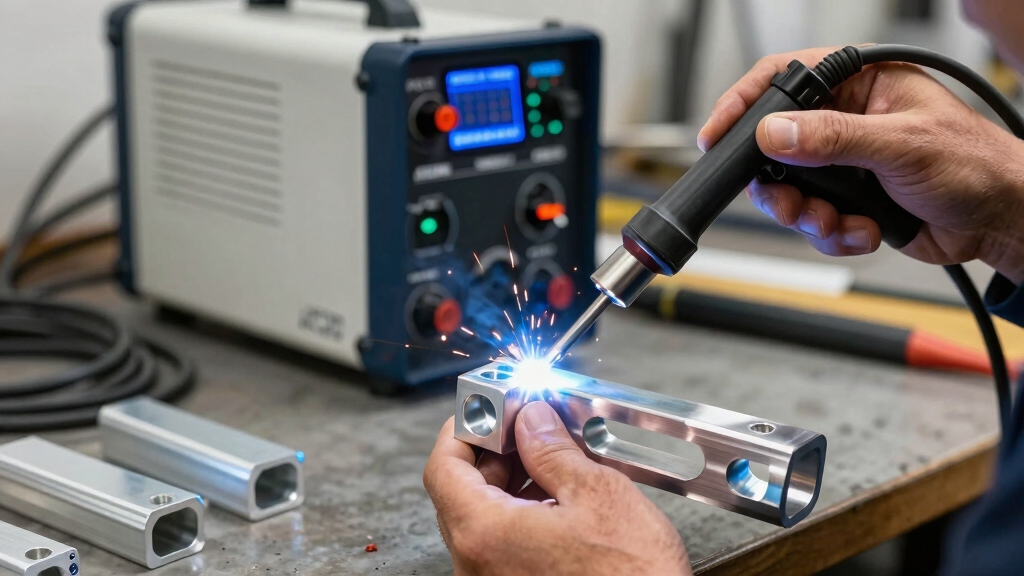
When welding aluminum, you’ll want an AC/DC TIG welder to guarantee consistent penetration through the oxide layer and produce a clean, strong weld.
For aluminum welding, an AC/DC TIG welder ensures consistent penetration and strong, clean welds.
AC current is essential because it breaks the tough aluminum oxide, allowing the arc to form a stable weld pool.
DC TIG alone won’t penetrate this layer effectively, resulting in weak joints.
Choose a machine with inverter technology; it offers precise arc control, reduces distortion, and increases travel speed by up to 20%.
Use 2% ceriated tungsten electrodes (WC20) for peak arc stability on aluminum alloys.
Look for features like adjustable AC balance to fine-tune cleaning action and a foot pedal for heat control.
These elements promote superior weld quality and efficiency on aluminum materials.
Also, setting the machine to AC current type and maintaining proper tungsten preparation are crucial for optimal aluminum welding performance.
TIG welders stand out for aluminum welding because they let you precisely control heat input. This is essential for preventing burn-through on this highly conductive metal.
Their AC capability breaks the stubborn oxide layer, ensuring proper arc initiation and penetration. Using 2% ceriated tungsten electrodes optimizes arc stability and weld quality on aluminum alloys.
Inverter-based TIG machines reduce distortion and power consumption by over 50%. This allows you to work faster with less material warping.
The fine control offered by foot pedals or AC balance adjustments means you can tailor the weld pool dynamically. This is critical for thin or complex aluminum parts.
Additionally, TIG welders produce clean, high-quality welds with minimal spatter and no slag. This reduces post-weld cleanup.
This precision makes TIG welding the benchmark for demanding aluminum fabrication tasks.
For optimal aluminum welding performance, lanthanated (blue) tungsten electrodes are often the best general-purpose choice due to their arc stability and longevity on both AC and inverter machines.
MIG welders come into their own for aluminum projects that demand faster deposition rates and efficient handling of thicker sections.
When you need to weld aluminum components quickly without sacrificing strength, MIG’s pulsed capabilities reduce spatter and minimize rework.
For optimal results, use a spool gun to guarantee smooth wire feeding, as standard guns struggle with aluminum wire’s softness. Choose ER4043 or ER5356 wires to match your alloy. MIG excels on thicker gauge aluminum where TIG’s precise heat control becomes less critical.
Push-pull or continuous-feed systems enhance feeding consistency on thin sheets. If productivity and throughput are your priorities, MIG offers a robust solution. However, make sure your setup includes quality shielding gas and proper equipment to avoid common issues like porosity and wire feeding inconsistencies. Using 100% argon shielding gas is recommended for excellent arc stability and clean weld puddles on aluminum up to 1/2 inch thick.
Equip yourself with the right tools to guarantee high-quality aluminum welds. A TIG welder with AC capability is essential to break aluminum’s oxide layer. Inverter-based units reduce distortion and power consumption.
Use 2% ceriated tungsten electrodes for optimal arc stability. For MIG welding, ensure spool gun compatibility and pulsed wire feed to minimize spatter and improve wire feeding.
Always select ER4043 or ER5356 filler wires matched to your alloy. Shield your welds with 100% argon gas; mixed gases degrade quality.
Prepare surfaces meticulously with a wire brush to remove oxides. Stabilize your workpiece using clamps or vice grips to prevent movement during welding.
These accessories and equipment choices directly impact weld integrity and efficiency when working with aluminum. Using AC polarity in TIG welding balances oxide cleaning and penetration, which is crucial for aluminum’s unique welding requirements.
Because aluminum welding generates intense UV radiation, sparks, and slag, you must wear specialized safety gear to protect yourself from burns, eye damage, and inhalation hazards.
Proper protection guarantees safety and compliance with welding standards.
Equip yourself with these essentials:
Always confirm your workspace is well-ventilated to avoid inhaling harmful fumes generated during aluminum welding.
Using an auto darkening welding helmet with rapid response sensors and adjustable shade levels ensures maximum eye protection and enhances welding accuracy.
How do you manage aluminum’s high thermal conductivity and oxide layer during welding? First, use an AC TIG welder with 2% ceriated tungsten electrodes to break the oxide layer efficiently and maintain precise heat control. This prevents burn-through.
For MIG welding, employ a spool gun with pulsed capability and ER4043 or ER5356 wire to reduce spatter and guarantee smooth feeding. Always clean the surface with a wire brush to remove oxides before welding.
Stabilize your workpiece with clamps to avoid distortion caused by aluminum’s heat dissipation. Use 100% argon shielding gas to prevent contamination.
Avoid multi-process welders lacking AC TIG functionality, as they compromise quality. By following these tips, you’ll overcome aluminum’s unique welding challenges and achieve strong, clean welds consistently.
Controlling amperage and using short bursts during welding helps limit heat buildup and distortion, ensuring better weld quality with aluminum heat control techniques.
You can weld aluminum outdoors in windy conditions, but you’ll face challenges.
Wind disrupts the 100% argon shielding gas, causing contamination and poor weld quality.
To counter this, use windshields or welding tents to protect the gas shield.
Alternatively, weld in a sheltered area or on the leeward side.
Without proper shielding, expect porosity and weak welds.
Controlling airflow is critical for successful outdoor aluminum welding.
Wondering how to store aluminum filler rods to maintain their quality?
You should keep them in a dry, clean environment to prevent oxidation and contamination. Use airtight containers or sealed plastic bags with desiccant packs to control moisture.
Avoid exposure to humidity and dirt, which degrade weld quality. Label rods by alloy type and size for easy identification.
Proper storage guarantees consistent weld performance and minimizes rework caused by contaminated filler material.
The lifespan of tungsten electrodes when welding aluminum typically ranges from 8 to 20 hours, depending on usage intensity, current settings, and electrode type.
Using 2% ceriated tungsten (WC20) helps extend durability due to better arc stability.
Proper sharpening and maintaining clean electrodes reduce contamination and wear.
Oh, sure, you could just grab any old welder and hope aluminum behaves if you like surprises.
In reality, brands like PrimeWeld stand out for aluminum welding, offering AC/DC TIG models with precise control and spool gun-compatible MIG machines.
Their advanced inverter technology reduces distortion and prep time.
Choosing reputable brands guarantees you get essential features like AC balance, pulsed MIG, and reliable tungsten electrodes, all critical for flawless aluminum welds.
To recycle aluminum welding scrap safely, you must first clean the scrap thoroughly, removing any contaminants like paint, oil, or welding residues.
Separate aluminum alloys to prevent cross-contamination.
Store scrap in designated, well-ventilated areas away from ignition sources.
Use protective gloves and eyewear when handling sharp edges.
Finally, send the prepared scrap to certified recycling centers that specialize in aluminum to guarantee environmentally responsible processing and material recovery.
Think of welding aluminum like tuning a high-performance engine: using the right welder is vital. Just as a racecar demands precision parts, aluminum welding calls for AC/DC TIG welders to guarantee clean, strong joints.
Remember, 85% of welders prefer TIG for aluminum due to its control and quality. Choose your equipment wisely, gear up safely, and tackle challenges with technique. Your aluminum projects will run smoothly, just like a finely tuned machine.