Phone:
(701)814-6992
Physical address:
6296 Donnelly Plaza
Ratkeville, Bahamas.

Phone:
(701)814-6992
Physical address:
6296 Donnelly Plaza
Ratkeville, Bahamas.

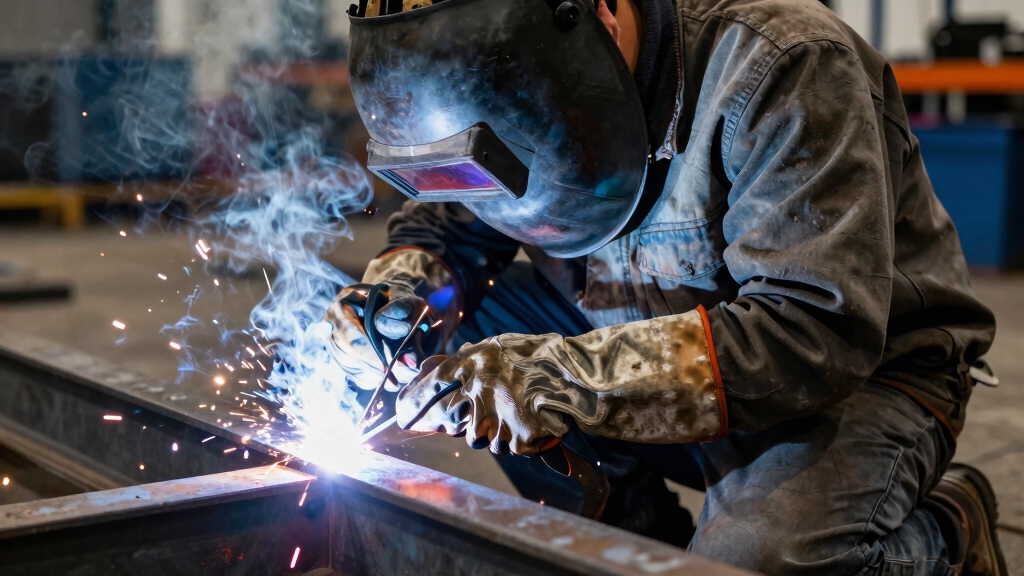
You should change your welding body position immediately when you feel muscle fatigue, discomfort, tingling, or numbness from holding static or awkward postures.
Persistent neck, shoulder, or arm strain, decreased grip strength, or loss of concentration also signal it’s time to adjust.
Limit staying in one posture to 20–30 minutes and incorporate microbreaks with stretching.
Maintaining neutral arm and torso positions reduces injury risk and improves precision.
Explore strategies to optimize posture and prevent fatigue for safer welding.
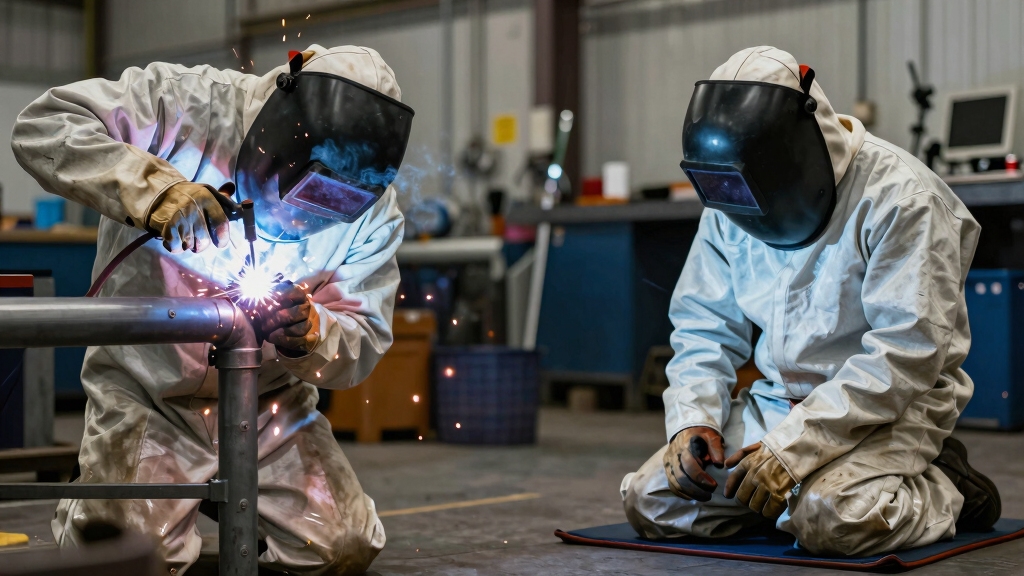
When you adopt awkward welding postures, such as outreached arms, awkward neck or head positions, kneeling, or squatting, you increase fatigue and reduce your concentration.
Awkward welding postures like outreached arms and bent necks increase fatigue and lower focus.
These positions strain muscles and joints, compromising precision and increasing injury risk. Avoid holding your arms away from your body or above shoulder height for extended periods, as this leads to rapid muscle fatigue and discomfort.
Static body positioning during long tasks exacerbates strain, so you should regularly adjust your posture to prevent stiffness.
Minimize torso twisting, leaning on hard surfaces, and prolonged kneeling or squatting to reduce musculoskeletal stress.
Maintaining neutral postures close to your natural body rest position improves endurance and weld quality.
Regularly adjusting posture is part of a safety mindset that helps reduce accidents caused by poor safety practices or lapses in attention.
Maintaining neutral and stable postures requires more than just avoiding awkward positions. It also depends on the correct work height for welding tasks.
You should position the workpiece between your waist and elbow height when standing to maintain a neutral arm and wrist posture, reducing fatigue and strain.
When sitting, keep the material slightly below elbow level to prevent shoulder elevation. Adjust your work height using lifting tables or height-adjustable chairs to ensure your elbows remain close to your body, avoiding raised arms above shoulder level.
If you find yourself bending, leaning, or reaching excessively, it’s time to modify the height. Proper work height minimizes muscle tension, supports precision, and reduces injury risk.
Always prioritize ergonomic adjustments before starting a welding task. Additionally, ensure your workspace is well-lit and free of tripping hazards to maintain workspace safety during welding.
Recognizing awkward welding postures early is essential for preventing fatigue and injury.
You’ll notice signs like persistent neck or shoulder discomfort caused by bending or looking upward for extended periods.
Holding your arms away from your body or above shoulder height signals improper positioning that increases muscular strain.
If you find yourself squatting, kneeling, or twisting your torso to reach the weld, you’re likely stressing your joints and reducing stability.
Fatigue and loss of concentration often follow static or constrained postures.
Watch for muscle stiffness, tingling, or numbness, which indicate nerve compression from sustained awkward positions.
To maintain precision and reduce injury risk, adjust your posture promptly when you detect these signs.
Employ ergonomic principles to keep your body aligned within neutral ranges during welding tasks.
Proper welding technique and posture not only enhance comfort but also improve weld quality and consistency.
Because your arms act as levers during welding, keeping them close to your body markedly reduces muscular effort and joint stress.
Arms close to the body during welding significantly lessen muscle strain and joint pressure.
When you hold your arms away from your torso, leverage forces increase, causing quicker muscle fatigue and joint strain.
Maintaining arms near the body optimizes mechanical advantage, minimizing energy expenditure and reducing injury risk.
Focus on these key points:
Additionally, wearing proper gloves can reduce hand fatigue and improve grip, further supporting ergonomic positioning during welding tasks.
You know, if you want to cut down on fatigue and boost your precision, using positioning aids can really help. Think about tools like adjustable chairs, footrests, and rotational clamps. They’re fantastic for keeping you in stable, neutral postures, which is super important for your overall comfort.
When you incorporate these aids into your daily routine, you’ll find it easier to make those necessary posture changes. Plus, they help you maintain the right ergonomic work heights, so you won’t end up in those awkward positions that can wear you out. It’s all about finding that balance, right? By integrating these tools into your workflow, you can stay comfortable even during those long tasks. Ensuring your workstation has integrated storage can also reduce downtime by keeping positioning aids and tools within easy reach.
Positioning aids help welders maintain stable, comfortable postures by supporting proper body alignment and reducing awkward movements. By integrating these tools, you minimize strain and fatigue, enhancing both safety and weld quality.
You’ll benefit from:
Using positioning aids systematically enables you to maintain ergonomic alignment, avoid injury risks, and sustain concentration throughout welding tasks. They act as mechanical extensions of your body, facilitating posture changes without interrupting workflow or compromising weld integrity.
This methodical approach optimizes your physical performance and work output. Additionally, maintaining proper torch angle such as holding it at 45° in windy conditions supports consistent flame quality and safety during welding.
Supporting proper posture during welding requires various aids designed to accommodate different body positions and tasks. Using the right posture supports minimizes fatigue, improves precision, and prevents musculoskeletal strain. These supports help maintain neutral postures, keep elbows close to your body, and reduce awkward positions.
| Support Type | Purpose |
|---|---|
| Adjustable Work Stool | Enables seated welding at ideal height |
| Foot Rest | Reduces lower limb fatigue during standing |
| Rotational Clamp | Holds workpieces for easy repositioning |
| Height-Adjustable Table | Keeps work at waist-elbow level |
| Ergonomic Gloves | Minimize vibration and enhance grip |
Wearing gloves with proper fit and heat resistance also supports hand comfort and safety, which contributes to maintaining good posture during welding.
Integrate aids seamlessly into your workflow to simplify posture adjustments and maintain ergonomic alignment throughout welding tasks. Positioning aids reduce strain and enable efficient shifts between postures, preventing fatigue and musculoskeletal disorders. Use tools designed to support neutral postures and minimize awkward movements.
These aids help you maintain efficiency and safety by facilitating posture changes with minimal effort. Regularly inspect and maintain gear to ensure all aids function properly and support safe welding practices.
You really shouldn’t stay in one welding position for more than 20 to 30 minutes. Doing so can lead to muscle fatigue and make it harder to focus. If you start feeling stiff, uncomfortable, or notice a drop in your precision, that’s your body telling you it’s time to change things up a bit.
Taking microbreaks and doing some quick stretches can work wonders. It helps get your circulation going again and reduces the risk of injury. So, remember to listen to your body and give yourself those little breaks!
To protect your skin and clothing during welding, be sure to follow proper care practices for FR clothing to maintain safety and comfort.
Maintaining a single welding position for extended periods increases muscle fatigue and reduces concentration, compromising both safety and weld quality.
To optimize your performance and minimize risk, limit continuous welding in one posture to short intervals.
Follow these guidelines:
Additionally, prolonged exposure to radiant heat from welding arcs can exacerbate fatigue and heat stress, making position changes even more critical.
Changing positions every 20–30 minutes helps prevent muscle strain.
Recognizing when fatigue sets in during welding is equally important.
You’ll notice early signs like muscle stiffness, decreased grip strength, or trembling in your arms when you hold awkward postures too long.
Pay attention to discomfort in your neck, shoulders, or lower back, especially if you’re maintaining raised arms or twisting your torso.
Reduced concentration and slower reaction times also indicate muscle fatigue.
If you experience numbness or burning sensations, these warn of nerve compression from static positioning.
Ignoring these signals increases injury risk and weld quality decline.
To guarantee safety and precision, you must monitor your physical responses continually and adjust your posture before fatigue impairs performance or causes musculoskeletal strain.
Regularly incorporating microbreaks during welding markedly reduces the risk of muscle fatigue and musculoskeletal disorders.
Staying too long in one position causes static muscle loading, leading to discomfort and decreased concentration.
By taking short, frequent breaks, you allow muscles to relax and blood circulation to improve, minimizing strain.
Consider these benefits of microbreaks:
Aim for microbreaks every 20–30 minutes, lasting 1–2 minutes, combined with subtle position shifts.
This methodical approach optimizes your endurance and weld quality.
Frequently taking breaks and stretching during welding is essential to prevent muscle fatigue and maintain concentration.
You should take short breaks every 20 to 30 minutes to relieve static muscle tension caused by prolonged postures, especially when working in awkward positions.
Take short breaks every 20 to 30 minutes to ease muscle tension from prolonged or awkward postures.
Use these pauses to stretch major muscle groups: neck, shoulders, arms, and lower back to restore circulation and reduce stiffness.
Avoid holding arms away from the body or above shoulder height for extended periods without interruption.
Microbreaks help maintain a neutral posture and minimize discomfort.
If you feel any onset of muscle tightness or reduced focus, it’s a clear signal to pause.
Incorporate simple stretching exercises and repositioning during these breaks to sustain ergonomic alignment and reduce the risk of work-related musculoskeletal disorders.
Incorporating job rotation into welding tasks reduces the risk of overuse injuries by varying the physical demands placed on your muscles and joints. By alternating between different welding positions and tasks, you prevent prolonged static postures and repetitive strain, common causes of musculoskeletal disorders.
Job rotation benefits you by:
Implement job rotation methodically within your workflow to maintain stable, comfortable postures and optimize your ergonomic safety during welding operations.
Pay close attention to signs your body sends during welding. Tight muscles, discomfort, or loss of focus signal the need to adjust your posture.
Be alert to tight muscles and discomfort as signs to improve your welding posture.
Notice if your arms feel fatigued, especially when held away from your body or above shoulder height. Detect any neck or back strain caused by awkward head positions or torso twisting.
Monitor for numbness or stiffness in joints, indicating prolonged static posture. If you experience frequent muscle tension or difficulty maintaining steady hand movements, it’s time to reposition.
Incorporate microbreaks and stretch to alleviate early fatigue. Use ergonomic aids to support neutral postures, keeping work at waist-to-elbow height.
Recognizing these physical cues promptly reduces injury risk and maintains weld quality by ensuring comfort and stability throughout your task.
You should focus on shoulder rolls, neck stretches, wrist flexion and extension, and upper back stretches to improve flexibility.
Incorporate torso twists and hip flexor stretches to reduce stiffness from static postures.
Perform these exercises daily, holding each stretch for 20-30 seconds.
Consistently stretching these key areas enhances your range of motion, reduces muscle tension, and helps prevent welding-related musculoskeletal disorders.
This keeps you agile and comfortable during long tasks.
Your welding posture acts like the steady hand of a clockmaker. Precision depends on stability.
When you maintain neutral, comfortable positions with elbows close and work between waist and elbow height, you guarantee consistent bead quality and reduce defects.
Awkward or static postures cause fatigue and shaking that distorts weld seams.
By optimizing posture, you enhance concentration, minimize errors, and produce stronger, cleaner welds.
Ultimately, this elevates overall welding quality and safety.
Yes, you can use specialized welding uniforms designed to support better posture.
These uniforms often incorporate ergonomic features like flexible, breathable fabrics that reduce restriction and fatigue.
Some include built-in support panels or padding to encourage neutral spinal alignment and minimize awkward postures.
Additionally, lightweight materials and adjustable components help maintain comfort during extended tasks.
This allows you to adopt stable, comfortable positions that enhance precision and reduce musculoskeletal strain.
Imagine your mind as a compass; when it falters, your direction wavers.
Yes, mental fatigue directly affects your welding posture and safety. As your focus diminishes, you’re prone to awkward positions, increasing injury risk and reducing weld quality.
To maintain precision and protect yourself, take regular breaks, stretch, and rotate tasks. Keeping your cognitive clarity guarantees you sustain neutral, stable postures, essential for both safety and performance.
Lighting plays a vital role in maintaining ergonomic welding positions because poor illumination forces you into awkward postures to see details clearly.
You’ll need to adjust your body, twist your neck, or raise your arms unnecessarily, increasing strain and fatigue.
Proper, well-directed lighting lets you keep a neutral posture, elbows close, work at waist to elbow height, reducing injury risk and improving precision.
Always make certain your workspace is evenly lit to support comfortable, stable positioning.
You can’t weld forever in one position without your body screaming for mercy. Ignoring posture changes invites injury faster than a spark ignites metal.
Always adjust your stance, use aids, and take breaks before fatigue hijacks precision. Remember, your body isn’t an indestructible machine; it signals when it needs relief.
Heed those signs methodically to maintain safety, efficiency, and weld quality. Pushing past comfort is a shortcut to costly downtime and pain.