Phone:
(701)814-6992
Physical address:
6296 Donnelly Plaza
Ratkeville, Bahamas.

Phone:
(701)814-6992
Physical address:
6296 Donnelly Plaza
Ratkeville, Bahamas.

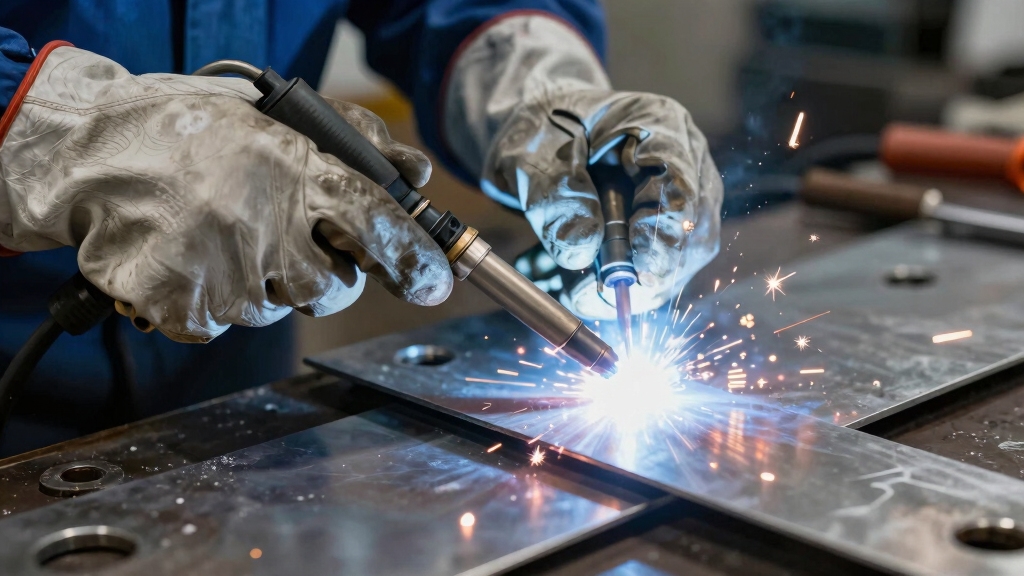
To use a spot welder, clean and degrease metal surfaces thoroughly to guarantee low contact resistance.
Align and clamp sheets precisely, keeping edges flush and electrodes perpendicular to the weld area.
Select appropriate current, pressure, and weld time based on metal type and thickness.
Apply firm, steady pressure before activating the current, then hold pressure briefly after to solidify the nugget.
Regularly inspect welds for quality and adjust settings as needed. Following these steps sets the foundation for mastering spot welding techniques.
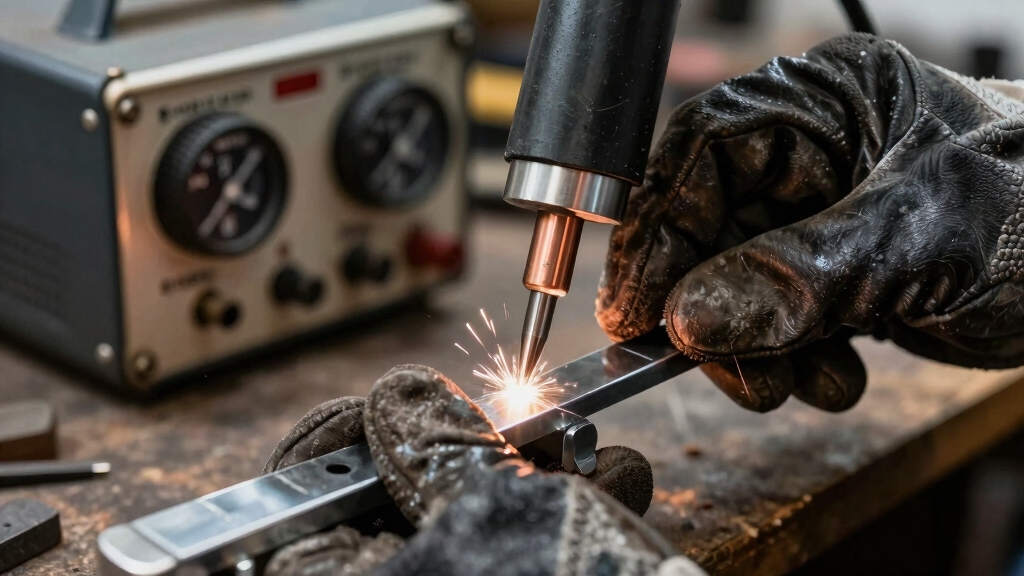
Selecting the best spot welder for your project starts with evaluating the materials you’ll work with and the weld size you require.
Identify the metal type: steel, aluminum, or alloys. Electrode selection and current settings depend on this.
Consider sheet thickness; thinner sheets need lower current and delicate electrode tips.
Choose between bench-type welders for small, thin sheets and portable or gun-type models if you need mobility or access to tight spaces.
For industrial-scale projects, stationary or inverter welders provide higher power and cycle speed.
Assess the weld size by matching the welder’s electrode force and current capacity to the nugget dimensions you need.
Make certain the machine’s control precision and repeatability fit your application to guarantee consistent weld quality throughout your work.
Proper control of electrode force, current, and weld time is essential to avoid defects and ensure strong, consistent welds.
Before you dive into spot welding, it’s really important to give those metal surfaces a good clean. You want to make sure all the oxides and oils are gone since they can really weaken the weld. Think of it as prepping a canvas before painting—clean surfaces lead to better results!
Once everything’s clean, it’s time to align those overlapping sheets. You’ll want to make sure they’re lined up just right to ensure proper contact and that your weld ends up exactly where you want it. A little bit of misalignment can throw everything off.
To keep everything in place while you’re welding, grab some clamps. They’ll hold the sheets securely, preventing any movement during the process. It’s all about making sure everything stays right where it needs to be for a solid weld!
Remember to always wear protective gloves to shield your hands from heat, sparks, and electrical shock during the welding process.
Properly cleaning metal surfaces is crucial to guarantee strong, reliable spot welds. Begin by removing visible debris, dirt, and loose particles using a wire brush or abrasive pad.
Make certain both overlapping sheets are free of any contaminants that might impede electrical conductivity. Next, inspect the contact areas for rust or scale, mechanically removing these with a grinder or sandpaper.
Avoid deep scratches that could weaken the metal. After cleaning, align the sheets precisely to maintain uniform electrode pressure during welding.
Clamp the pieces securely to prevent movement, making certain the metal edges are flush and stable. This preparation minimizes resistance variations and improves weld nugget formation.
Proper cleaning and alignment set the foundation for consistent, high-quality spot welds without requiring filler materials.
It is also important to wear cut-resistant gloves and eye protection during cleaning to guard against sharp edges and debris.
Eliminate oxides and oils thoroughly to guarantee peak electrical contact during spot welding.
Start by degreasing the metal surfaces with a suitable solvent, like acetone or isopropyl alcohol, to remove oils and contaminants.
Follow this with mechanical abrasion using fine-grit sandpaper or a wire brush to strip away oxides and surface rust, exposing clean, bare metal.
Make certain you clean the entire weld area, including edges, to prevent resistance inconsistencies.
After abrasion, wipe the surfaces again with solvent to clear residue.
Avoid touching cleaned areas with bare hands to prevent recontamination.
Properly prepared metal surfaces reduce electrode wear and improve weld nugget formation by maintaining low contact resistance.
This preparation step is vital before proceeding to sheet alignment and clamping for consistent, high-quality spot welds.
Regular maintenance of welding gloves, including proper cleaning, helps ensure safety and performance during welding operations.
Position the metal sheets accurately to guarantee a strong, consistent spot weld. Begin by overlapping the clean sheets precisely where the weld is needed.
Use clamps or a fixture to hold the sheets firmly, preventing movement during welding. Make certain the surfaces remain flush without gaps, as uneven contact reduces weld quality.
Align the sheets so the electrodes will press perpendicularly to the weld point, maximizing current flow and heat generation. Check for any burrs or misalignment that could cause inconsistent pressure or weak nuggets.
Secure clamping minimizes vibration and maintains consistent electrode pressure throughout the weld cycle. Proper alignment and clamping are critical for achieving uniform weld nuggets, preventing electrode damage, and guaranteeing structural integrity in the final joint.
Ensure that the ground clamp is attached to a clean, bare metal surface near the weld area to maintain a low-resistance connection and stable current flow.
When you’re using a spot welder, it’s important to tweak the settings according to the type of metal you’re working with. This way, you can ensure you’re applying the right amount of current and pressure for a solid weld.
Now, thickness plays a big role too! It impacts how long you need to weld and how much electrode force you should use. So, take some time to calibrate these settings carefully. You want those nuggets to be consistent every time.
And don’t forget about the electrode tip! Choosing the right material and shape is crucial. It helps maintain good conductivity and protects against damage while you’re welding. So, keep these tips in mind for the best results!
Additionally, monitoring the weld bead profile during testing can help you fine-tune the settings for optimal weld quality.
When setting your spot welder for different metals and thicknesses, adjusting the current, pressure, and weld time to match the material properties is essential. Different metals require different settings due to their conductivity and melting points.
For instance, aluminum needs higher current but shorter weld times, while steel requires moderate current with longer weld duration. Applying the right electrode pressure prevents deformation and guarantees a strong weld nugget.
| Metal Type | Recommended Settings |
|---|---|
| Steel | Moderate current, medium pressure, 1.5-2s weld time |
| Aluminum | High current, low pressure, 0.8-1.2s weld time |
| Stainless | Higher current, medium pressure, 1.5-2s weld time |
Calibrate your welder according to these parameters for peak results without damaging the metal. Ensuring a solid electrical ground close to the weld area improves weld quality and safety during operation.
A critical factor in spot welding is adjusting the welder settings to match the metal thickness accurately. Incorrect settings can cause weak welds or burn-through.
To optimize your spot welder for various thicknesses, follow these tips:
Because spot welding typically uses a constant current power supply, maintaining steady current helps ensure consistent heat input despite slight variations in electrode contact.
Electrode selection plays a pivotal role in achieving ideal weld quality and consistency across different metals and thicknesses.
First, choose copper alloy electrodes suited for the metal: pure copper for steel, copper-chromium for aluminum, and copper-tungsten for stainless steel.
Match electrode tip size to material thickness: smaller tips concentrate current for thin sheets, while larger tips distribute heat for thicker metals.
Shape the electrode face according to the weld area: flat for general use, truncated cone for precision on tight spots.
Always maintain clean, smooth electrode surfaces to guarantee consistent current flow and minimize wear.
Adjust welder settings in tandem with electrode choice to prevent burn-through or weak nuggets.
Proper electrode selection optimizes weld strength and extends electrode life, guaranteeing reliable spot welds every time.
Additionally, ensuring compatibility with base metals and proper maintenance of consumables like electrode tips is essential for consistent performance and reducing defects.
Position electrodes so their tips contact the metal sheets perpendicularly to guarantee even current flow and ideal heat generation.
Proper electrode positioning makes certain a consistent weld nugget and prevents electrode wear.
Next, clamp the materials firmly between the electrodes to maintain alignment and avoid slippage during welding.
Follow these steps:
Always ensure that the workspace is secure and clean to maintain safety and weld quality during the process.
Once the metal sheets are securely clamped and the electrode tips are confirmed clean and properly shaped, you can apply pressure to initiate the welding process.
Use the welder’s handles, foot pedal, or control lever to exert firm, even pressure, guaranteeing the sheets maintain full contact without slipping. This pressure is critical to reduce electrical resistance and promote uniform heat generation at the joint.
Apply firm, even pressure with controls to ensure full sheet contact and uniform heat during welding.
Immediately after applying pressure, activate the spot welding current by pressing the trigger or button on your machine. The controlled current flows through the electrodes, creating resistance heat that melts the metal interface.
Maintain steady pressure throughout the current application to form a consistent weld nugget. Avoid releasing pressure or interrupting current flow prematurely to guarantee weld integrity and optimal strength.
While the current is switched off, you need to hold firm pressure on the electrodes to allow the molten weld nugget to cool and solidify properly. This step prevents weld defects such as cracks or weak joints caused by premature release. Maintain steady force until the weld shifts from liquid to solid metal.
To do this effectively:
Holding the weld correctly guarantees a strong, defect-free bond. Skipping or rushing this step compromises weld integrity and reduces joint strength. Always prioritize controlled cooling by maintaining electrode pressure before releasing the workpieces.
Although the weld has solidified, you must carefully inspect the spot weld to make certain it meets strength and quality standards.
Begin with a visual check: verify the nugget is uniform, free of cracks, spatter, or surface irregularities.
Confirm electrode alignment and absence of burn-through or excessive indentation.
Next, perform a destructive test if possible; peel or bend the pieces to verify the nugget’s pull-out strength and fusion quality.
Non-destructive methods include ultrasonic testing or resistance measurement for consistency.
Document weld diameter; it should correlate with metal thickness and current settings.
Accurate inspection prevents weak joints that compromise structural integrity.
Always compare results against manufacturer specifications and welding procedure standards to guarantee reliable, durable spot welds.
If your spot welds show signs of weakness or inconsistency, troubleshooting common issues promptly guarantees reliable joints and prevents costly rework.
Start by evaluating electrode condition, weld parameters, and alignment. Here’s how to address these problems:
You need essential safety gear when operating a spot welder: wear insulated gloves to protect your hands from heat and electrical shock, and safety goggles or a welding helmet to shield your eyes from sparks and intense light.
Use flame-resistant clothing to prevent burns and ensure proper ventilation to avoid inhaling fumes.
Additionally, wear closed-toe, non-slip shoes for foot protection, and ear protection if noise levels are high.
Always follow safety protocols strictly.
You should replace or maintain electrode tips regularly, typically after every 500 to 1,000 welds or when you notice wear, deformation, or excessive buildup.
Clean tips frequently to remove oxidation and spatter using a wire brush or file.
Proper maintenance guarantees consistent current flow and weld quality.
Inspect tips before each shift, and replace them immediately if they show signs of pitting, cracking, or uneven surfaces to avoid weak welds and equipment damage.
Spot welding doesn’t play well with non-metal materials because it relies on electrical resistance to generate heat.
Think of it like trying to toast bread with a flashlight; it just won’t get hot enough.
You’ll need alternative methods like ultrasonic welding or adhesives for plastics or composites.
Stick to metals like steel, aluminum, and nickel alloys, where spot welding creates strong, precise joints by melting and fusing overlapping sheets under pressure.
You can expect a spot welding machine to last between 5 to 15 years, depending on usage and maintenance.
If you regularly clean electrodes, replace worn tips, and calibrate settings, you’ll extend its lifespan.
Heavy industrial use may shorten it, but proper care guarantees consistent performance.
Monitor electrode wear and electrical components, and schedule routine inspections to prevent unexpected failures and maintain welding quality over time.
Spot welding differs from other methods by joining metals through electrical resistance and pressure, not filler materials or flames.
You’ll notice it’s faster, completing welds in seconds. It targets small, precise areas with minimal heat-affected zones, preventing burn-through on thin sheets.
Unlike MIG or TIG welding, it’s cost-effective, uses less power, and suits mass production with automation.
You focus on overlapping sheets, applying pressure while current forms a strong nugget weld.
Now that you’ve mastered setting up your spot welder and aligning metal sheets, you’re ready to create strong, reliable welds. There’s no need to channel your inner blacksmith!
Always apply the right pressure, activate the current precisely, and hold the weld just long enough for a solid nugget to form. Inspect each weld carefully, and troubleshoot any issues promptly.
With these steps, you’ll guarantee your spot welding projects meet professional standards every time.