Phone:
(701)814-6992
Physical address:
6296 Donnelly Plaza
Ratkeville, Bahamas.

Phone:
(701)814-6992
Physical address:
6296 Donnelly Plaza
Ratkeville, Bahamas.

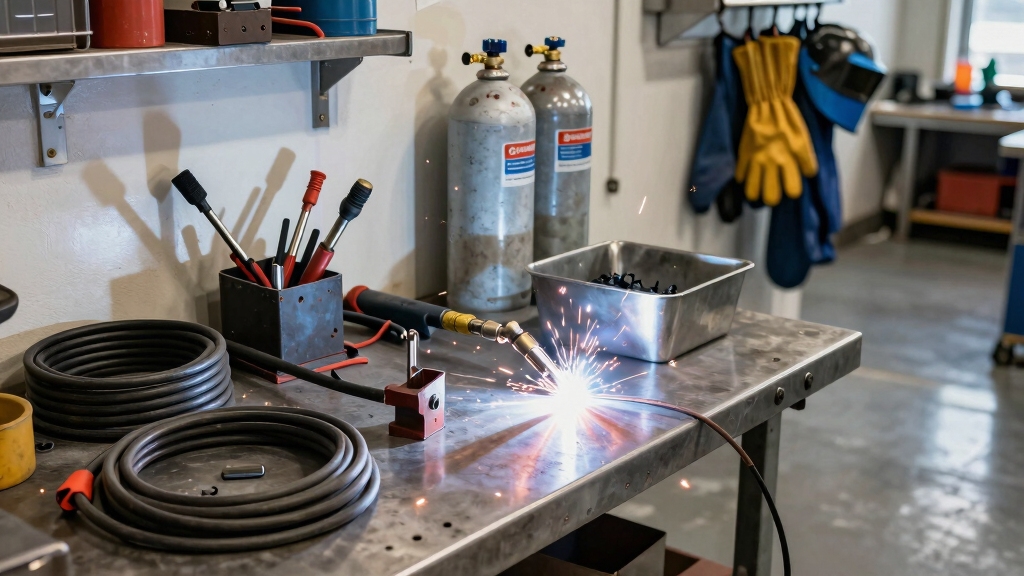
You need to keep your welding area clean to protect your health, improve weld quality, and prevent fires.
Contaminants in the air and on surfaces increase harmful fume exposure, causing respiratory and neurological risks.
Dirt and coatings degrade weld strength and create defects.
Clean environments reduce combustible dust buildup and fire hazards.
Proper ventilation and regular maintenance guarantee safe workplaces while meeting regulations.
Safeguarding these controls boosts consistent, high-quality welds and safeguards workers. Here’s how to optimize your setup.
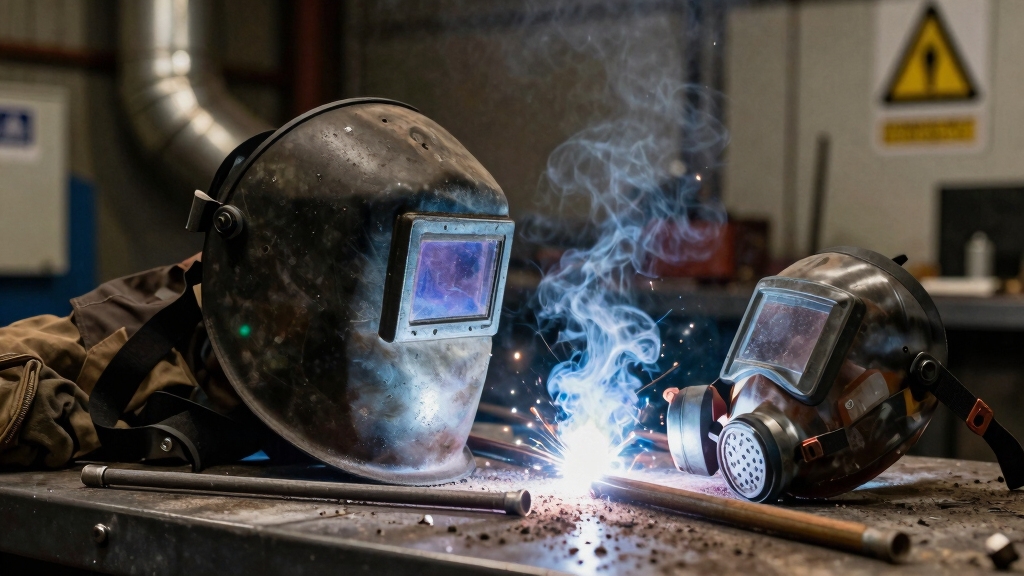
Exposure to welding fumes poses significant health risks that you must address proactively.
Welding fume exposure presents serious health hazards requiring immediate and proactive prevention measures.
These fumes contain particulate matter averaging 3.0 to 11.3 mg/m³ in your breathing zone, often exceeding threshold limit values (TLVs) with 75-97.5% confidence in industrial settings.
Prolonged exposure increases your risk of occupational lung diseases, including lung cancer, and can cause acute and chronic damage to your eyes, skin, and respiratory system.
Neurological disorders also correlate with sustained inhalation of these toxic fumes.
To protect yourself, implement rigorous ventilation controls, maintain equipment properly, and use personal protective devices such as respirators.
Monitoring particulate concentrations and enforcing exposure limits are essential.
Failure to control welding fume exposure compromises your health and safety, making proactive hazard mitigation indispensable in any welding environment.
Prioritizing respiratory protection and engineered ventilation controls is critical to minimize zinc oxide fume inhalation during welding.
Controlling welding fumes protects your health and directly impacts the strength and integrity of your welds. Airborne contaminants dilute weld quality, causing defects and reducing precision. Maintaining clean air through proper ventilation guarantees consistent weld performance and structural reliability.
| Air Quality Factor | Impact on Weld Quality |
|---|---|
| Fume concentration | Causes porosity, cracks |
| Particulate matter | Weakens weld bonds |
| Gas contaminants | Alters metallurgical properties |
| Airflow management | Removes pollutants promptly |
| Enclosure cleanliness | Minimizes airborne hazards |
You must monitor and control these factors rigorously to achieve peak weld consistency and durability. Clean air environments support precise fusion, preventing compromised weld strength caused by contaminant interference. Proper control of oxygen percentages is essential to avoid adverse metallurgical or safety outcomes during welding.
Although welding is essential for many fabrication tasks, it introduces significant fire risks that demand strict preventive measures. You must never weld on uncleaned drums, barrels, or tanks unless they’re properly purged to eliminate flammable residues.
Remove surface coatings and paints before welding to prevent ignition hazards. Maintain a dull finish on welding booths to reduce reflective fire risks. After welding, monitor the area for at least half an hour to detect smoldering fires early.
Regularly clean ventilation systems to prevent contaminant buildup that could fuel fires. Implementing these fire prevention steps rigorously protects your workspace, personnel, and equipment. This ensures welding operations proceed safely and comply with industry standards.
Keep the workspace organized and free of flammable materials, and ensure clear access to fire extinguishers to respond promptly in case of a fire emergency.
When welding, ensuring proper ventilation is critical to remove hazardous fumes at their source and maintain a safe breathing environment.
You should prioritize local exhaust ventilation systems that capture fumes directly from the welding zone, preventing contaminants from dispersing into the air.
General ventilation helps dilute airborne pollutants but doesn’t replace the need for local extraction.
Make sure exhaust air containing carcinogens never recirculates; use air cleaning systems to remove toxic gases before any reuse.
Proper airflow is essential to supply clean air and disperse fumes effectively, reducing exposure to harmful particulates that threaten respiratory health and weld quality.
Regularly inspect and maintain ventilation equipment to guarantee peak performance, preserving both worker safety and weld integrity.
Additionally, maintaining dry conditions and minimizing moisture is important as wet environments can increase the risk of electric shock and equipment failure in welding areas.
To meet safety standards and protect workers, you must follow strict cleaning procedures for welding equipment and work areas.
Regulatory compliance demands consistent removal of contaminants and maintenance of ventilation systems to minimize hazardous fume exposure. You’ll make certain workstations are arranged to direct fumes away from personnel and prohibit welding in confined spaces without proper ventilation.
Key cleaning procedures include:
Adhering to these procedures not only maintains compliance but also reduces health risks and enhances weld quality through contaminant control. Proper surface preparation is essential to prevent porosity and inclusions, which can weaken the weld joint and increase failure risk.
To keep your welding workspace safe and clean, it’s really important to control fume exposure. You can do this by ensuring there’s effective ventilation in place. This not only protects your respiratory health but also helps guarantee the integrity of your welds.
Also, make sure to keep your workspace free from flammable materials. It’s a good idea to regularly monitor for any smoldering fires to avoid potential hazards.
And don’t forget about cleanliness! Consistently cleaning surfaces and equipment is key to maintaining weld quality and ensuring operational safety. A tidy space not only helps with the quality of your work but also promotes a safer environment overall.
Implementing proper welding parameters can further prevent defects and maintain the strength of your welds.
Regularly reducing fume exposure is critical to maintaining a safe and clean welding workspace. Welding fumes contain hazardous particulates and gases linked to serious health risks like respiratory disorders and cancer.
You must actively control airborne contaminants to protect yourself and maintain weld quality. Implement these essential practices:
Use local exhaust ventilation to capture fumes at the source. Confirm general ventilation dilutes residual airborne pollutants efficiently.
Position your workstation to direct fumes away from your breathing zone. Wear appropriate respirators with proper fit to prevent inhalation.
Regularly clean ventilation systems to maintain peak airflow and contaminant removal.
Monitoring and air sampling are recommended to identify fume composition and exposure levels accurately.
Although welding is essential for many industrial applications, it poses significant fire hazards that demand vigilant prevention strategies.
You must never weld on uncleaned drums, barrels, or tanks until they’re fully purged to eliminate flammable residues.
Remove surface coatings before welding to prevent ignition from sparks or intense heat.
Monitor the welding area for at least 30 minutes afterward to detect smoldering fires, which often ignite unnoticed.
Maintain clean ventilation systems to avoid contaminant buildup that can contribute to fire risks.
Use dull finish paints inside welding booths to reduce reflective ignition hazards.
By rigorously applying these protocols, you minimize fire hazards, safeguard personnel, and comply with safety regulations.
This ensures a safe and clean welding workspace.
Additionally, controlling welding fume hazards through proper ventilation and respiratory protection reduces the risk of combustible dust accumulation and fire.
Fire prevention measures not only protect the workspace but also directly impact the integrity of your welds. Maintaining a clean environment guarantees contaminants don’t compromise weld strength or cause defects. You must control airborne pollutants and fumes to preserve weld precision and consistency.
Proper airflow and ventilation play critical roles in dispersing hazardous particles that weaken welds. To guarantee weld quality, focus on:
These practices directly enhance weld integrity and promote a safer, more controlled welding environment. Additionally, keeping consumables and base metals clean and free of contaminants significantly reduces spatter and improves weld quality.
You should inspect welding equipment for cleanliness before each use and conduct thorough cleanings weekly.
Regular checks help prevent contaminant buildup, which compromises weld quality and safety.
Pay special attention to ventilation systems, cables, and torch heads, ensuring no residue or debris impairs function.
Adhering to this schedule reduces exposure to harmful fumes and maintains compliance with safety regulations.
This protects both your health and the integrity of your welds.
You wouldn’t enter a storm without a sturdy umbrella, so don’t clean welding areas without proper gear.
Wear a respirator with a clean-shaven face to seal out harmful fumes and particulates.
Use safety goggles or a welding helmet to protect your eyes from sparks and debris.
Heavy-duty gloves and flame-resistant clothing shield your skin from burns and irritants.
These essentials keep you safe, ensuring cleanup doesn’t cost your health or precision.
Yes, welding fumes can definitely affect nearby non-welding workers.
These fumes contain hazardous particulates and gases that spread through the air, often exceeding safe exposure limits.
If you work close to welding operations without proper ventilation or barriers, you risk inhaling toxic substances linked to respiratory and neurological issues.
You must ensure adequate local exhaust ventilation and positioning to protect all personnel from harmful airborne contaminants.
Humidity acts like an invisible sponge, attracting dust and airborne contaminants to your welding area.
When humidity rises, moisture combines with particulate matter, causing grime to stick to surfaces and equipment, compromising cleanliness.
This buildup can degrade weld quality by introducing impurities.
You must control humidity levels and ensure proper ventilation to prevent fume accumulation.
Maintaining a clean, safe environment supports peak welding performance and equipment longevity.
You should use cleaning agents specifically formulated for welding booths, such as non-flammable, low-residue solvents and mild detergents that won’t leave harmful residues or compromise ventilation filters.
Avoid harsh chemicals that can react with welding fumes or damage surfaces. Always verify the agent’s compatibility with booth materials and ventilation systems.
Using approved cleaners guarantees you maintain a contaminant-free environment, supporting both safety and weld quality while complying with regulatory standards.
You might think a messy welding area is just untidiness, but it’s a hidden hazard threatening your health and weld quality.
Clean air and proper ventilation don’t just prevent fires; they guarantee precision and safety. Neglecting cleanliness invites regulatory trouble and risks your workspace’s integrity.
By keeping your welding area spotless, you’re not just tidying up; you’re actively protecting yourself, your craft, and your future.