Phone:
(701)814-6992
Physical address:
6296 Donnelly Plaza
Ratkeville, Bahamas.

Phone:
(701)814-6992
Physical address:
6296 Donnelly Plaza
Ratkeville, Bahamas.

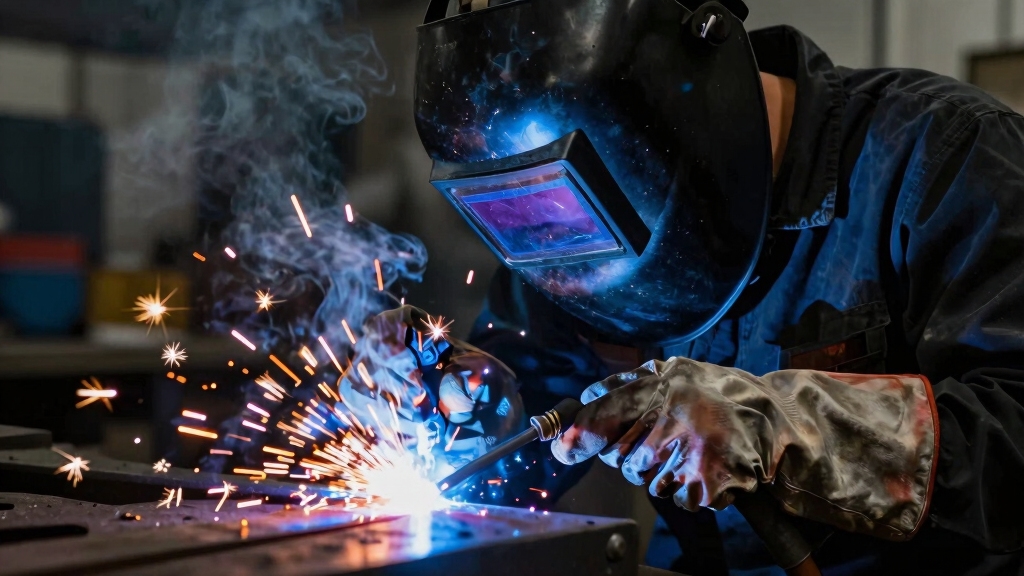
Welding can pose serious health risks you shouldn’t ignore. You face higher chances of lung diseases and cancer from inhaling toxic fumes, especially if you smoke.
Your eyes are vulnerable to UV damage and painful welder’s flash. Physical injuries like burns and musculoskeletal issues are common, while manganese exposure may cause neurological problems.
Proper safety gear and ventilation reduce these risks markedly. If you want to understand how to protect yourself and when to get medical help, keep exploring the details.
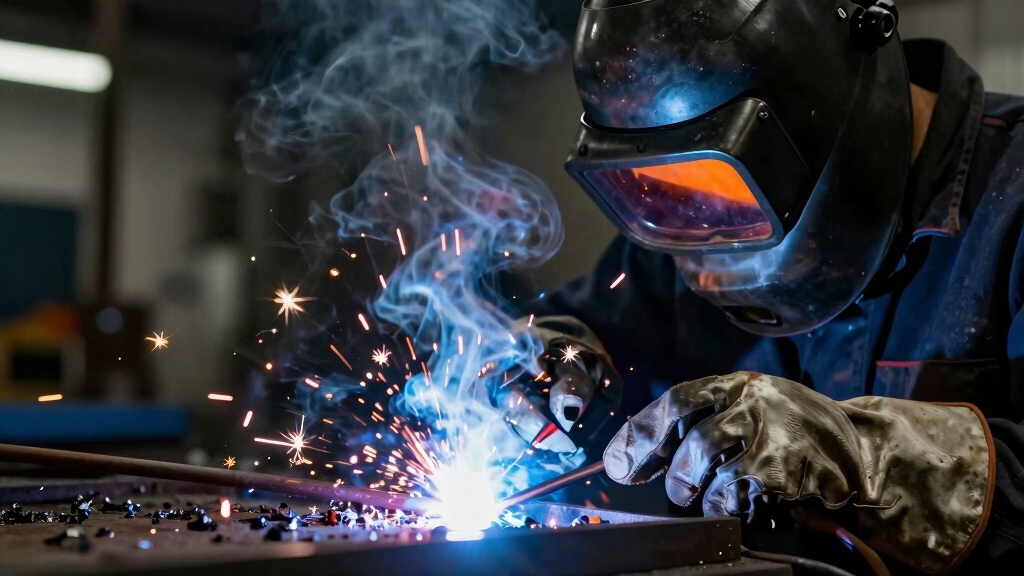
Although welding is essential in many industries, it exposes you to significant respiratory health risks that demand attention.
Research shows welders face a 2.17 times higher risk of lung-related diseases compared to non-welders. Male welders experience an even greater incidence at 2.24 times.
If you smoke, your risk increases further to 2.44 times. Nearly 38% of welders develop respiratory issues such as pneumonia, occupational asthma, and reduced lung capacity due to inhaling welding fumes.
These fumes irritate your airways and compromise lung function over time. Evidence highlights that consistent exposure without adequate protection markedly raises your chance of developing chronic pulmonary conditions.
This emphasizes the necessity of effective ventilation and respiratory protective equipment to mitigate these risks. Zinc coating vaporizes during welding, producing zinc oxide fumes that pose acute and chronic respiratory hazards.
Welding fumes can significantly increase your risk of lung cancer. Did you know that about 2.1% of welders develop the disease, while only 1.9% of those who weld occasionally do? That’s a notable difference. It’s important to be aware of these statistics.
In fact, the International Agency for Research on Cancer has classified welding fumes as a Group 1 carcinogen. This means they’ve confirmed that these fumes are proven to cause cancer in humans. So, understanding these risks is really crucial.
Proper surface preparation and controlling environmental factors can help reduce exposure to harmful contaminants in welding fumes.
The increased risk of lung cancer among welders underscores the serious health consequences of prolonged exposure to welding fumes.
Studies show welders face a 2.1% lung cancer incidence, slightly higher than occasional welders at 1.9%. This elevated risk is significant given the large workforce of approximately 190,000 welders annually, with 150 reported deaths linked to welding-related cancer.
Male welders, especially those who smoke, exhibit even greater susceptibility to lung diseases, highlighting the compounded dangers of combined exposures.
While lung cancer risks are modestly increased, they reflect the cumulative effect of inhaling hazardous substances during welding.
Understanding these statistics helps you appreciate the critical need for protective measures to reduce carcinogenic exposure and monitor respiratory health rigorously in welding environments.
Pregnant welders should take extra precautions due to the harmful effects of welding fumes on fetal development and placental function.
Since welding fumes contain a complex mixture of hazardous substances, they present a significant carcinogenic risk to workers exposed over time. The International Agency for Research on Cancer classified welding fumes as a Group 1 carcinogen, confirming their cancer-causing potential in humans.
When you inhale these fumes regularly, your risk of developing lung cancer rises noticeably.
Consider these critical facts:
Understanding these risks emphasizes the importance of protective measures to reduce your exposure. Additionally, using personal protective equipment properly can significantly lower inhalation of hazardous fumes during welding.
When you’re welding, there’s a serious risk of welder’s flash. This painful eye burn comes from exposure to ultraviolet light and is responsible for nearly 6% of workplace eye injuries in construction. Ouch!
But it’s not just the immediate pain you need to worry about. Long-term UV radiation exposure can lead to more serious issues, like an increased risk of developing ocular melanoma later on. That’s definitely something to keep in mind.
Understanding these hazards is super important. After all, around 34% of welders face vision impairments at some point. So, being aware of the risks can really help in preventing those issues down the line.
Using proper arc-rated face shields with the correct filter lenses and shade levels can significantly reduce these risks by blocking harmful UV and IR radiation during welding.
Frequently, welders and even nearby coworkers suffer from welder’s flash, an eye injury caused by intense ultraviolet (UV) light exposure during welding.
This condition results in painful corneal burns, markedly impairing your vision temporarily. Understanding the impact helps you take protective measures seriously.
Consider these key points:
Consistently wearing properly rated welding helmets with the correct filter shade significantly reduces the risk of welder’s flash and other eye injuries.
Although welding offers essential industrial benefits, it exposes your eyes to intense ultraviolet (UV) radiation. This markedly increases the risk of common eye injuries.
UV radiation can cause welder’s flash, a painful photokeratitis that damages the corneal epithelium. It accounts for nearly 6% of all workplace eye injuries in construction.
You’re also at risk for ocular melanoma, a serious but less common consequence of chronic UV exposure during welding. Importantly, about half of these injuries affect coworkers not actively welding, underscoring the necessity of proper eye protection for everyone nearby.
Using appropriate personal protective equipment (PPE) like welding helmets with UV-filtering lenses is essential to minimize these risks. Ignoring UV hazards can lead to temporary vision impairment or long-term ocular damage, impacting your safety and productivity.
Choosing the correct shade number for welding lenses is critical to balance protection from UV/IR radiation and clear visibility of the weld pool.
Welders consistently face a high risk of physical injuries due to the demanding nature of their work. You’re exposed to numerous hazards that contribute to frequent injuries, including burns and musculoskeletal disorders.
Understanding these risks can help you take preventive measures. Consider these key injury patterns:
Recognizing these risks empowers you to implement effective safety measures and reduce injury on the job.
Proper use of personal protective equipment significantly reduces the risk of these injuries.
Being aware of these risks is essential to improving your safety and health outcomes on the job.
Physical injuries from welding are only part of the health risks involved. Exposure to welding fumes also poses significant neurological hazards.
Manganese, a common component in welding fumes, can accumulate in your brain. This accumulation can lead to neurobehavioral changes such as impaired motor skills, memory loss, and mood disturbances.
The National Institute for Occupational Safety and Health (NIOSH) highlights these effects as serious concerns for welders. Chronic inhalation may increase your risk of developing manganism, a Parkinson’s-like syndrome.
Additionally, repeated exposure to metal oxide fumes can exacerbate neurological symptoms, compounding the impact on your nervous system. Understanding these risks is critical, as neurological damage may progress insidiously.
It can affect your quality of life and work capacity without immediate, obvious symptoms.
Proper ventilation and filtration systems are essential to reduce exposure to toxic welding fumes and minimize neurological harm.
Implementing rigorous safety practices markedly reduces the health risks associated with welding. You can minimize exposure to toxic fumes, prevent eye injuries, and avoid musculoskeletal strain by adopting consistent protective measures. Evidence shows that proper safety protocols significantly lower incidence rates of respiratory diseases and injuries.
Key practices include:
Maintaining strict safety protocols helps reduce many welding-related health issues, but early medical intervention remains essential when symptoms arise.
Strict safety measures reduce welding health risks, but timely medical care is crucial when symptoms develop.
You should seek medical help immediately if you experience persistent respiratory symptoms such as chronic cough, wheezing, or shortness of breath. Welders face over twice the risk of lung diseases, including occupational asthma and pneumonia.
Eye pain, vision changes, or signs of welder’s flash require prompt evaluation to prevent long-term damage. Neurological symptoms like tremors or cognitive difficulties may indicate manganese exposure, demanding urgent assessment.
Additionally, sudden musculoskeletal pain or signs of infection after a welding injury warrant medical attention. Early diagnosis and treatment can mitigate progression of serious conditions like lung cancer or chronic obstructive pulmonary disease, improving your long-term health outcomes.
Imagine your ears as delicate gardens, vulnerable to harsh storms.
Welding exposes you to intense noise and vibrations, damaging your hearing over time.
Studies show 46% of welders suffer hearing loss, often permanent.
This gradual erosion stems from repeated exposure to loud equipment and sparks’ crackling.
Protecting your auditory health means using proper ear protection consistently.
Otherwise, the noise will steal the clarity of your world, leaving behind silence where sound once thrived.
You should know that specific percentages for welders suffering from heart disease aren’t explicitly detailed in the available data.
However, welding-related health problems include heart disease among other serious conditions.
Given the high exposure to hazardous fumes, physical strain, and injury risks, your likelihood of developing heart issues as a welder increases compared to the general population.
To protect yourself, consistently use personal protective equipment and monitor your cardiovascular health closely.
You might think female welders have it easier, but the risks differ rather than disappear.
Male welders show a 2.24 times higher pulmonary disease incidence, while data on females is less clear but suggests varying susceptibility.
Differences in body size, lung capacity, and hormonal factors might influence exposure effects.
You should consider tailored protective measures since female welders can face unique respiratory and musculoskeletal challenges distinct from their male counterparts.
Welding-related skin diseases are fairly common, affecting many welders due to exposure to intense ultraviolet radiation, heat, and chemicals.
You’re at risk of burns, dermatitis, and even skin cancer from prolonged exposure.
Protective gear is essential since welding sparks and fumes can irritate or damage your skin.
While exact prevalence varies, skin conditions rank among the frequent health issues welders face.
This highlights the importance of consistent safety practices.
Smoking amplifies your risk of lung disease when you weld, increasing it by 2.44 times compared to non-welders.
You breathe in toxic fumes, inhale cigarette smoke, and strain your lungs simultaneously.
This combination worsens respiratory problems like pneumonia and asthma, making your lungs more vulnerable.
Evidence shows smoking welders face markedly higher pulmonary disease rates than nonsmoking welders.
Quitting smoking is essential to protect your respiratory health while welding.
Welding can pose serious health risks if you’re not careful. Studies show welders are up to four times more likely to develop lung cancer due to prolonged exposure to toxic fumes.
Beyond cancer, respiratory issues, eye injuries, and neurological effects are common. By strictly following safety practices like wearing proper respirators and eye protection, you can markedly reduce these risks.
Always monitor your health and seek medical advice if you notice symptoms. This ensures welding doesn’t compromise your well-being.