Phone:
(701)814-6992
Physical address:
6296 Donnelly Plaza
Ratkeville, Bahamas.

Phone:
(701)814-6992
Physical address:
6296 Donnelly Plaza
Ratkeville, Bahamas.

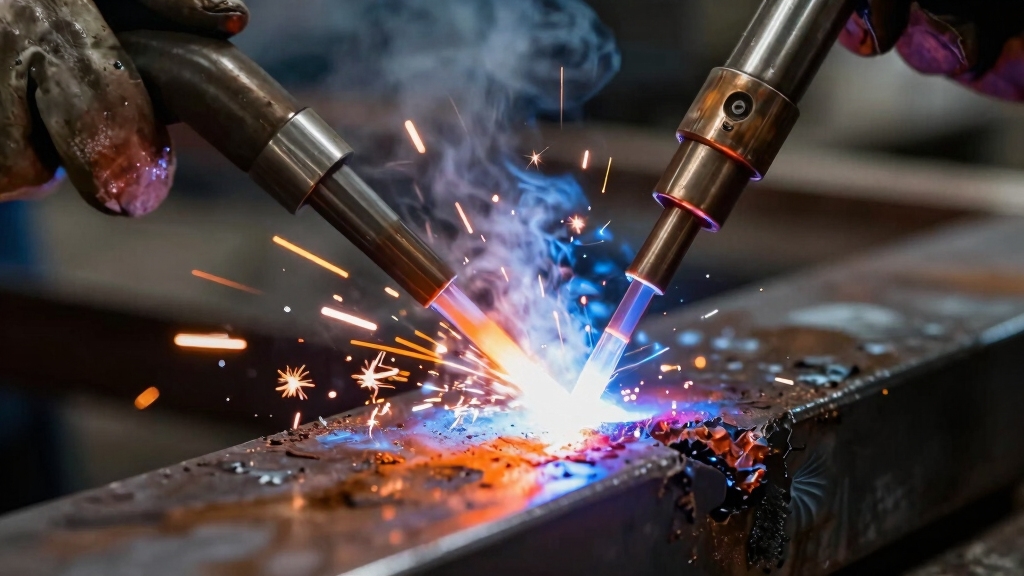
In plasma welding, you use an ionized inert gas, typically argon, to create a concentrated, superheated plasma jet reaching up to 30,000°C.
This plasma is formed by forcing gas through a fine-bore copper nozzle while applying electrical energy.
This generates a high-energy arc with deep penetration and minimal distortion.
It enables precise, high-speed welds on various materials and positions.
Understanding plasma’s generation, control, and welding modes helps you optimize this advanced technique for demanding applications.
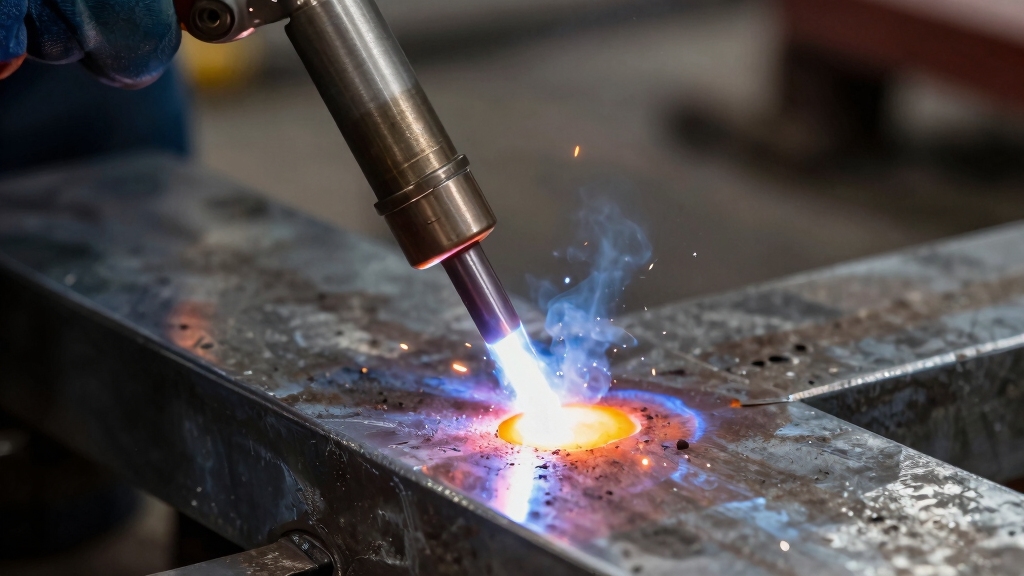
Plasma welding harnesses a highly concentrated arc formed by ionizing an inert gas to create a plasma jet. This enables precise, high-energy welding with temperatures reaching up to 30,000°C.
Plasma welding uses a concentrated arc from ionized inert gas for precise, high-temperature welding.
It’s an advanced extension of TIG welding, distinguished by a constricted arc through a fine-bore copper nozzle. This design increases arc energy density and plasma velocity.
The focused plasma jet allows you to achieve deeper penetration and higher welding speeds, even on thin sheets or complex geometries. The process improves tolerance to surface contamination and electrode distance variations.
This results in stable, high-quality welds with minimal distortion. By mastering plasma welding, you can weld various metals with excellent control and efficiency.
This makes it invaluable in applications demanding precision and reliability. The plasma jet is created by forcing compressed gas through a constricted nozzle and ionizing it with a high-voltage spark to produce extremely high temperatures and concentrated energy.
Creating plasma in welding is quite fascinating! It all starts when you ionize an inert gas using a high-energy arc. This arc is initiated through a pilot arc that forms between the tungsten electrode and the copper nozzle.
Once that arc is established, it transfers to the workpiece. This action pushes the plasma gas through a fine-bore nozzle, and it’s moving at velocities that are nearly the speed of sound!
This entire process is really important because it helps control the shape and temperature of the plasma. And that’s what makes it possible to achieve precise, high-energy-density welding. Isn’t that cool? Using pilot arc technology enables cleaner arc starts and consistent cutting quality in plasma processes.
Although the high temperatures in plasma welding might seem complex, the process starts by ionizing an inert gas, usually argon, to create a highly energized plasma state.
You initiate plasma generation by forcing this gas through a fine-bore copper nozzle while applying electrical energy to ionize it, releasing free electrons and positive ions.
The plasma arc is constricted by the nozzle, which increases arc energy density and gas velocity, reaching speeds near the sound barrier. This constriction focuses the plasma jet, elevating temperatures up to 30,000°C.
Meanwhile, a separate shielding gas envelops the plasma, protecting the weld pool from atmospheric contamination.
You control plasma stability and energy by adjusting gas flow rates, electrical current, and nozzle geometry. This ensures precise heat input and weld quality during the operation.
Similar to the inert gas shielding used in heliarc welding, this protective atmosphere is crucial to prevent oxidation and contamination of the weld area.
Initiating the arc in plasma welding relies on creating a high-frequency (HF) pilot arc between the tungsten electrode and the constricting copper nozzle.
This pilot arc ionizes the plasma gas within the nozzle, generating a stable, low-current arc.
Once ionization is sufficient, the arc transfers from the electrode-nozzle gap to the workpiece, establishing the high-energy plasma arc.
You control the plasma by adjusting the current and gas flow, which affects arc constriction and temperature.
The water-cooled copper nozzle maintains arc stability by focusing the plasma jet through its fine bore, preventing electrode overheating.
This precise initiation method guarantees a reliable, repeatable arc start without the need for electrode contact.
It provides consistent high energy density essential for plasma welding’s superior penetration and weld quality.
Using an inert shielding gas during plasma welding is crucial to prevent oxidation and maintain arc stability.
When plasma welding generates and controls plasma, it relies on ionizing an inert gas, typically argon, at high energy levels to produce a hot, electrically conductive state.
You initiate the arc by creating a high-frequency pilot arc between the tungsten electrode and the constricting copper nozzle. This ionizes the argon gas, releasing electrons and forming plasma with temperatures reaching up to 30,000°C.
The plasma gas is then forced through the fine-bore nozzle at velocities nearing the speed of sound, constricting the arc and increasing its energy density.
Meanwhile, shielding gas flows separately to protect the weld pool from atmospheric contamination. Water cooling of the nozzle maintains stability, preventing overheating.
This precise control of plasma gas dynamics enables consistent, high-quality welds with deep penetration and minimal distortion.
Modern plasma systems often utilize pilot arc technology to achieve stable ignition without generating electromagnetic interference, improving operational reliability.
Plasma welding is pretty fascinating because it comes with different modes designed for specific applications. For instance, the microplasma mode is fantastic if you’re working with ultra-thin materials. It ensures minimal arc wander, which is super helpful in achieving clean welds.
On the other hand, there’s the melt mode. This one is great for deeper penetration and shows a better tolerance for surface contamination, making it a reliable choice for various materials.
And if you’re dealing with thicker sections, you can’t go wrong with keyhole mode. It uses high current and gas flow to create precise, high-energy welds, ensuring full penetration. Pretty neat, right? Each mode has its strengths, making plasma welding versatile for different tasks! In addition, modern welding machines often use high-frequency inverter technology to provide precise control over welding current, enhancing the quality and stability of plasma welds.
Microplasma mode excels at welding extremely thin materials, achieving sheet thicknesses down to 0.1mm with exceptional control.
You benefit from a highly focused arc, minimized arc wander, and reduced heat input, which prevents warping or burn-through on delicate workpieces.
This mode offers superior precision, enabling you to weld fine wires, meshes, and thin sheets with excellent bead consistency.
The low current operation increases arc stability and allows for precise heat control, vital when working on stainless steel, titanium, or exotic alloys.
Additionally, microplasma welding improves weld quality by producing narrow, deep penetration with minimal distortion.
This makes it ideal for applications requiring fine detail and high integrity, such as tool repair, turbine blade maintenance, and high-speed aluminum welding.
Careful control of amperage and travel speed is critical to minimize thermal distortion and ensure consistent weld quality in microplasma welding.
Although melt mode operates at higher currents than microplasma, it provides deeper penetration and greater tolerance to surface contamination. This makes it suitable for welding thicker materials.
You’ll find melt mode ideal for welding medium-thickness metals, where increased weld pool size and energy density improve fusion. This mode tolerates minor surface impurities, reducing preparation time.
The plasma arc transfers directly between electrode and workpiece, delivering concentrated heat.
Welding power sources must provide steady, controllable current to maintain arc stability during melt mode operations.
| Parameter | Melt Mode Characteristics |
|---|---|
| Current Range | Higher than microplasma (typically 20-150 A) |
| Penetration Depth | Moderate to deep, suitable for thicker sections |
| Surface Tolerance | Good, handles minor contaminants |
| Typical Applications | Medium-thickness steel, stainless, and alloys |
Using melt mode, you achieve robust welds with fewer passes and greater efficiency.
Building on melt mode’s capability for medium-thickness metals, keyhole mode takes plasma welding to the next level by enabling full penetration welds up to 10mm thick.
You’ll use high current and increased plasma gas velocity to create a stable keyhole, which vaporizes the metal and allows the arc to penetrate completely through the workpiece.
This mode excels in butt welding applications, especially on steels, nickel, and copper alloys with square edge preparations.
It supports mechanized and positional welding, ensuring consistent, high-quality welds with minimal distortion.
You’ll find keyhole mode particularly advantageous for root passes and fabricating components like pipes and tubes, where precision and penetration depth are critical.
Its efficiency and single-pass capability make it indispensable for welding thicker stainless steel and exotic alloys.
For thicker plates beyond 10 mm, processes like multi-pass welding are often necessary to ensure full penetration and control heat input effectively.
When you set up for plasma welding, you’ll rely on specialized equipment designed to handle the process’s high energy and precise control requirements.
Key components include a non-consumable thoriated tungsten electrode housed within a water-cooled torch body, which maintains electrode integrity under intense heat.
A water-cooled copper constricting nozzle focuses the plasma arc, enabling high energy density and precise control.
You’ll use three gas supplies: plasma gas for ionization, shielding gas to protect the weld pool from atmospheric contamination, and back-purge gas for backside protection.
The pilot arc system initiates a stable arc without high-frequency re-ignition.
Additionally, a water cooling system is essential to dissipate heat from the torch and nozzle, ensuring consistent performance and preventing damage during welding operations.
Properly securing all connections and verifying gas flow rates ensures optimal operation and weld quality when using plasma welding equipment, including the shielding gas cylinder.
The specialized equipment used in plasma welding enables you to harness its unique advantages effectively. You achieve deeper penetration and higher welding speeds compared to conventional TIG welding, which reduces cycle times markedly.
Plasma welding exhibits excellent tolerance to surface contamination and variations in electrode-to-workpiece distance, ensuring consistent arc stability. You benefit from minimal distortion due to the focused, high-energy plasma arc and can perform single-pass welds on materials up to 10mm thick.
The process maintains superior weld quality with precise control over the arc and heat input. Additionally, you can weld in all positions, aided by pulsed current synchronization, making plasma welding versatile and reliable for high-precision applications requiring repeatable, high-quality joints.
Plasma welding excels in joining thin sheets, wires, and tubular components made from stainless steel, titanium, and other exotic alloys. It is ideal for high-precision work, including aerospace parts, turbine blades, and medical devices, where minimal distortion and deep penetration are critical.
Its ability to weld aluminum up to 5mm and perform mechanized root passes in nickel and copper alloys broadens its application scope.
| Material Type | Typical Applications |
|---|---|
| Stainless Steel | Tubes, meshes, thin sheets |
| Titanium & Exotic Alloys | Aerospace, medical implants |
| Aluminum | High-speed welding, sheets up to 5mm |
Using plasma welding, you achieve consistent, quality welds on demanding materials where traditional methods may fall short.
You’ll find plasma welding costs more upfront than conventional methods like MIG or stick welding because of specialized equipment and water-cooled torches.
However, its higher energy efficiency and faster welding speeds can reduce labor and improve productivity, balancing expenses over time.
Plus, its precision minimizes material waste and rework.
Sure, you love playing with 30,000°C plasma jets, so don’t forget your armor!
For plasma welding, you need insulated gloves, flame-resistant clothing, and a welding helmet with proper shading to protect your eyes from intense UV and IR radiation.
Guarantee excellent ventilation to avoid inhaling ionized gases and ozone.
Always use water cooling to prevent torch overheating.
Follow strict electrical safety; that high-frequency arc likes surprises as little as you do.
You can perform plasma welding outdoors in windy conditions, but you need to take precautions.
Wind can disrupt the shielding gas, leading to weld contamination and defects.
To maintain weld quality, use windshields or enclosures to protect the arc and shielding gas.
Additionally, increase shielding gas flow rates if necessary, and monitor gas coverage carefully.
Without these measures, the weld’s integrity and stability may be compromised in windy environments.
To fix plasma arc instability, first check your gas flow rates and make sure they’re within specs. Inconsistent flow can cause arc fluctuations.
Inspect the tungsten electrode and nozzle for wear or contamination. Replace or clean as needed.
Confirm the water cooling system works properly to prevent overheating.
Also, verify proper torch alignment and tight connections.
Finally, verify your pilot arc initiates correctly, as failure here often destabilizes the main arc.
Wonder how plasma welding impacts your post-weld material properties?
It enhances them by producing deeper penetration and refined microstructures, which improve strength and toughness.
You’ll notice reduced distortion and minimal residual stress due to the focused heat input.
Plus, its precise control limits grain growth, preserving corrosion resistance and ductility.
Now that you understand plasma welding’s precision and control, consider this: plasma welding can achieve temperatures up to 30,000°F, far exceeding traditional arc welding.
This intense heat lets you weld tougher materials with unmatched accuracy. By mastering plasma welding, you’re equipped to handle complex, high-quality projects efficiently.
Its advanced technology not only improves weld strength but also reduces distortion, making it essential for industries demanding superior performance.