Phone:
(701)814-6992
Physical address:
6296 Donnelly Plaza
Ratkeville, Bahamas.

Phone:
(701)814-6992
Physical address:
6296 Donnelly Plaza
Ratkeville, Bahamas.

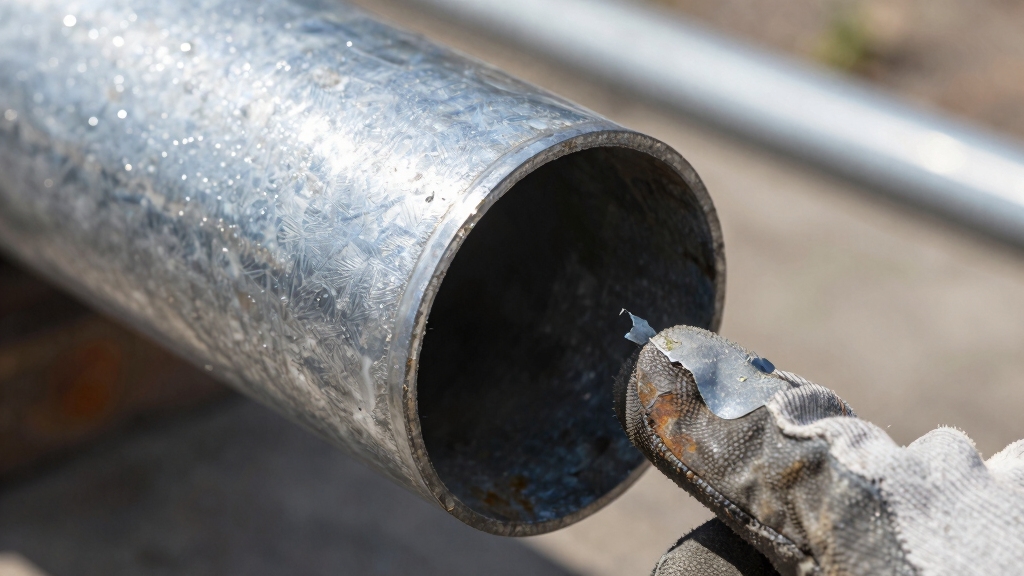
You can tell if metal is galvanized by checking for a silver-gray, shiny surface often with a spangle pattern from zinc crystals. Use a magnet; if it sticks, the base is likely steel beneath the zinc coating.
Applying mild acid like vinegar may produce bubbling, confirming zinc presence. Visually inspect for any dullness or white rust, signs of corrosion
For precise confirmation, you might explore techniques that measure coating thickness or conduct elemental analysis.
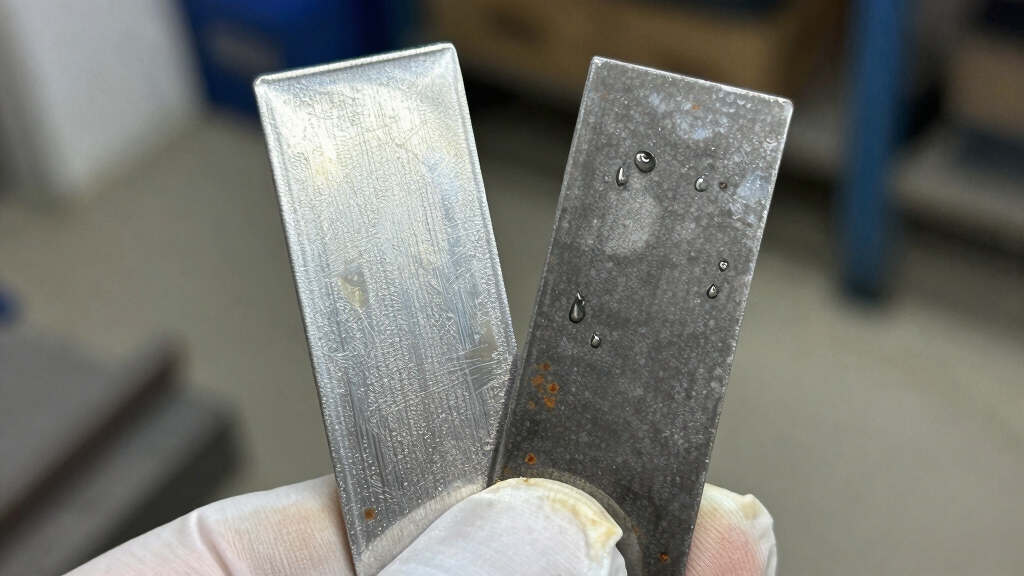
To quickly identify galvanized metal, you can start by looking closely at its surface characteristics and using simple tools like a magnet or a mild acid solution.
A fresh galvanized surface typically appears shiny with a smooth silver-gray tone, often displaying a spangle pattern where crystalline zinc structures are visible. If the surface looks dull or matte, it likely indicates weathered galvanization.
You might also notice white rust, a powdery white corrosion, especially on wet surfaces, signaling zinc oxidation. To confirm zinc presence, applying a weak acid such as vinegar will cause bubbling or effervescence on galvanized areas, while bare steel remains inactive.
Regular inspection for white rust formation helps maintain galvanized metal by identifying early signs of zinc oxidation.
Use a magnet to quickly distinguish galvanized steel from nonferrous metals by exploiting the ferromagnetic properties of the steel substrate.
A magnet test quickly identifies galvanized steel by its magnetic steel core versus nonferrous metals.
Simply bring the magnet close to the metal surface; if the magnet is attracted, the base material is steel, likely galvanized with a zinc coating.
If the magnet doesn’t stick, the metal might be aluminum or stainless steel, which are nonferrous or non-magnetic.
Follow these steps:
This method efficiently identifies galvanized steel by its inherent magnetic properties. Be aware that welding galvanized steel requires precautions due to zinc fume hazards associated with the coating.
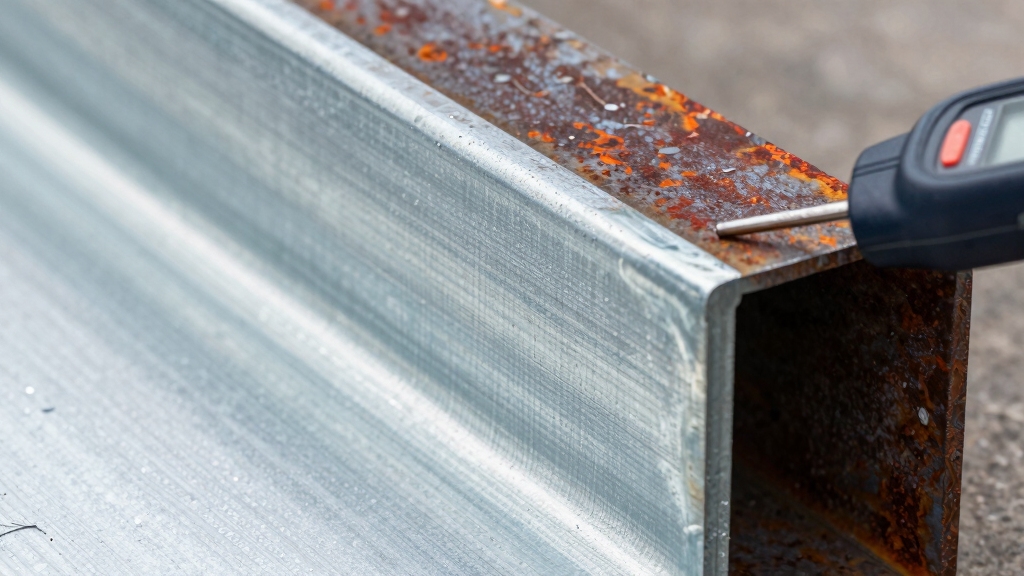
After confirming the steel substrate with a magnet, you can assess the zinc coating through visual inspection and thickness measurement.
Look for a shiny, smooth silver-gray surface or a distinct spangle pattern, which indicates fresh galvanization. A dull or matte finish suggests aging or weathering, while white rust signals surface corrosion.
Uneven texture or visible zinc scars point to irregular coating thickness. To quantify the zinc layer, use a non-magnetic thickness gauge that measures coating depth without damaging the metal.
This helps verify compliance with minimum galvanizing standards but won’t differentiate between galvanizing methods. Together, visual cues and thickness readings provide a reliable preliminary evaluation of galvanization quality, guiding further testing if necessary.
For optimal durability, proper surface preparation is crucial before any painting or coating applications.
You can quickly pinpoint zinc coatings by applying a mild acid, such as vinegar or diluted hydrochloric acid, to the metal surface. The acid reacts with zinc, producing visible bubbling or effervescence, confirming the presence of a zinc coating.
Applying mild acid like vinegar causes zinc coatings to bubble, revealing their presence instantly.
This test is safe, rapid, and effective for field use. Here’s how you perform it:
If no bubbling occurs, the metal likely lacks a zinc layer or has a non-reactive coating. This simple acid test distinguishes galvanized metal from bare steel, painted surfaces, or other platings without requiring specialized tools.
To ensure accurate results, it is important to perform thorough cleaning beforehand to remove oils and contaminants that could interfere with the acid reaction.
While simple acid tests provide quick field verification of zinc coatings, definitive confirmation requires more sophisticated laboratory methods.
You’ll need to rely on cross-sectional photomicrography, which reveals distinct intermetallic zinc-iron layers characteristic of hot-dip galvanizing.
Spectroscopic analysis complements this by quantifying zinc gradients and elemental composition throughout the coating depth.
These destructive techniques require sample sectioning but deliver precise differentiation between hot-dip galvanizing, thermal spray coatings, and zinc-rich paints.
Additionally, Electron Paramagnetic Resonance (EPR) offers a non-destructive alternative, detecting zinc presence through electron vibration frequencies and distinguishing coating types based on molecular composition.
Employing these advanced analytical methods guarantees you accurately verify galvanization, surpassing the limitations of field tests and thickness measurements.
This approach provides reliable, reproducible, and conclusive results essential for critical applications.
Understanding the sacrificial anodic behavior of zinc in coatings is crucial for interpreting galvanization test results accurately.
You can expect galvanized coating to last anywhere from 20 to 50 years outdoors, depending on environmental factors like humidity, pollution, and salt exposure.
In rural or mild climates, it’ll endure longer, while harsh coastal or industrial areas may reduce its lifespan markedly. Proper thickness and quality of the zinc layer also play essential roles.
Regular inspections help you catch early signs of wear, ensuring you maintain protection effectively over time.
Yes, you can paint galvanized metal without removing the coating, but you must prepare the surface properly.
First, clean off any white rust, dirt, and oils using a mild acid etch or detergent. Then, apply a suitable primer designed for zinc surfaces to promote adhesion.
After priming, use paints compatible with galvanized steel to assure long-lasting coverage and prevent peeling or corrosion beneath the paint layer.
Just like a knight’s armor rusting in a rainy siege, white rust forms on galvanized surfaces mainly due to trapped moisture and poor drainage.
You’ll find it often caused by rapid drying after wet conditions, high humidity, or exposure to water without proper ventilation.
The zinc coating corrodes into a white powdery layer when zinc hydroxide forms. Avoid prolonged dampness and guarantee good airflow to prevent this unsightly corrosion.
Galvanized metal generally isn’t recommended for direct food contact because the zinc coating can corrode, releasing zinc ions that may contaminate food.
While zinc isn’t highly toxic, prolonged exposure to acidic or moist foods accelerates corrosion and potential leaching.
You should consider using stainless steel or food-grade coatings designed for safety.
If you need galvanized surfaces, make certain they’re used in indirect contact or properly lined to prevent contamination.
You might notice how galvanized metal stays shiny even in rain. That’s no coincidence.
Galvanization protects metal by coating it with a zinc layer that acts as a sacrificial anode, corroding before the underlying steel does.
This zinc coating forms a tough, corrosion-resistant barrier, preventing moisture and oxygen from reaching the metal.
Plus, if scratched, zinc’s electrochemical properties continue protecting the exposed steel, ensuring long-term durability against rust.
You can quickly discern galvanized metal by feeling for its distinctive spangled texture and using a magnet to confirm steel beneath the zinc coating.
Visual inspection paired with measuring zinc thickness sharpens your accuracy, while simple acid tests reveal subtle chemical clues. For absolute certainty, advanced lab analyses provide definitive proof.
Picture the metal’s surface like a protective icy glaze, thin yet resilient, guarding against corrosion with scientifically verifiable precision.