Phone:
(701)814-6992
Physical address:
6296 Donnelly Plaza
Ratkeville, Bahamas.

Phone:
(701)814-6992
Physical address:
6296 Donnelly Plaza
Ratkeville, Bahamas.

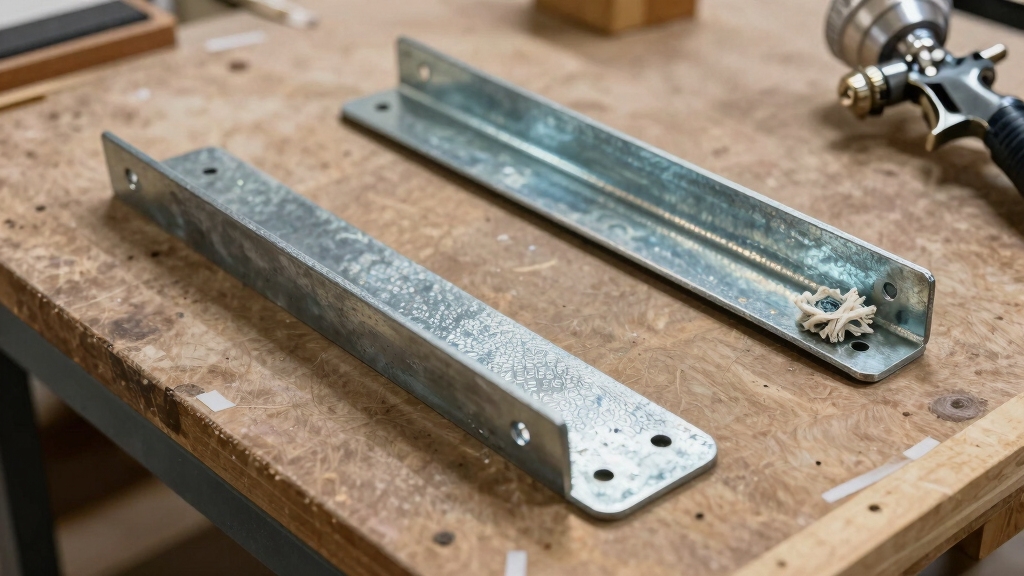
You can powder coat galvanized steel successfully if you prepare the surface properly. Start by thoroughly cleaning and degreasing to remove oils and contaminants that block adhesion.
Use mechanical abrasion or acid etching to eliminate zinc oxides and chromates. Then preheat the steel to drive out moisture and trapped gases.
This prevents defects like pinholes and blisters during curing. Selecting the right powder and controlling cure parameters is critical for durable coatings. Understanding these steps will clarify how to achieve best results.
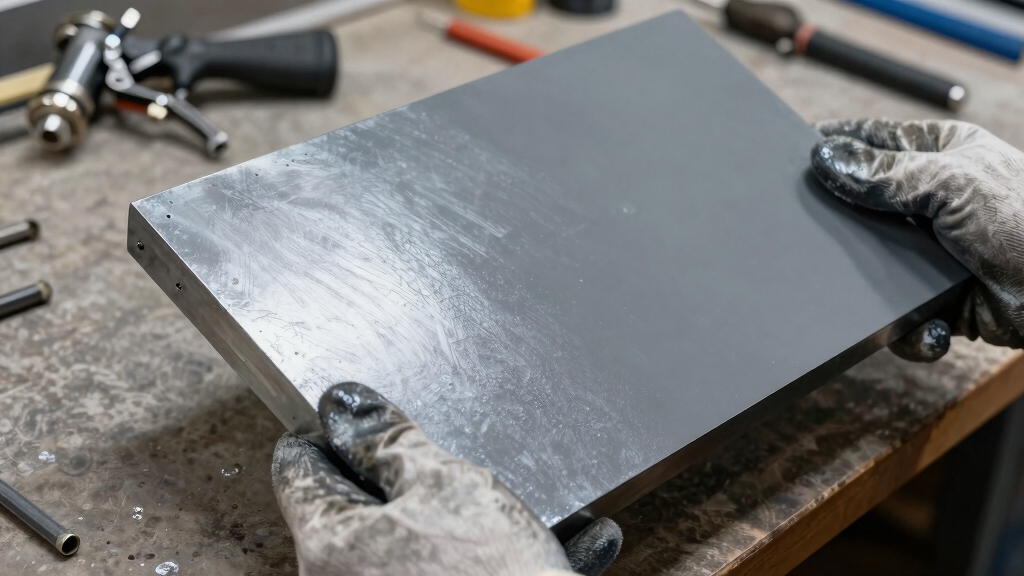
You can powder coat galvanized steel effectively, provided you follow strict surface preparation and timing protocols.
Start by thoroughly cleaning the surface with alkali solutions to remove grease and soils, then rinse without quenching to avoid moisture retention.
Begin with alkali cleaning to eliminate grease, then rinse carefully without quenching to prevent moisture retention.
Employ sweep blasting using aluminum-magnesium silicate media at a 45-degree angle to remove chrome layers and spangle, creating a mechanical profile for adhesion.
Acid or zinc phosphate etching further enhances powder adherence. Timing is critical: apply powder within 12 hours post-galvanizing to minimize zinc oxidation and coat immediately after baking to prevent outgassing defects.
Bake the prepared steel at 30°C above the powder’s cure temperature for at least one hour to release trapped moisture and gases.
Adhering to these precise steps guarantees a durable, defect-free powder coating on galvanized steel.
For best results, ensure the surface is free from zinc oxides and contaminants by performing microscopic surface profiling immediately before powder coating.
Although galvanized steel alone provides excellent corrosion resistance, integrating a powder coating as part of a duplex system markedly enhances both durability and aesthetic appeal.
You’ll benefit from a synergistic protection mechanism where the zinc layer offers sacrificial corrosion protection, while the powder coating forms a robust, impermeable barrier against environmental factors.
This combination extends service life and maintains structural integrity under harsh conditions.
Consider these key advantages:
Enhanced corrosion resistance: The duplex system delays substrate exposure by combining galvanizing’s zinc barrier with a dense organic topcoat.
Improved mechanical durability: Powder coating resists abrasion and UV degradation, reducing maintenance needs.
Superior aesthetic options: You gain a uniform, customizable finish with color stability and gloss retention over time.
Using duplex coatings protects your galvanized steel and performs reliably with optimized longevity and appearance.
Proper surface preparation and controlled curing are essential to maintain the coating’s corrosion resistance and prevent premature failure.
To ensure that your powder coating sticks perfectly to galvanized steel, the first step is to give it a good clean. You’ll want to use some alkali solutions to get rid of any oils and contaminants that might be lurking on the surface.
Once that’s done, it’s time to get a little hands-on! You should mechanically profile the surface, which usually means doing some sweep blasting with aluminum-magnesium silicate media. This creates the right texture for the powder to bond effectively.
Now, before you dive into applying the powder, there’s one more crucial step to take. Pre-application baking is key! You’ll need to heat the steel up to a temperature that’s about 30°C higher than the powder’s cure point. This helps to eliminate any moisture and gases that could get trapped during the curing process, which can lead to defects.
Additionally, using a weld-through primer can enhance corrosion resistance in areas where powder coating alone might not fully protect, especially around welded joints.
Proper surface cleaning consistently plays a critical role in preparing galvanized steel for powder coating, directly influencing adhesion and finish quality.
You must remove all contaminants such as oils, greases, and soils to make certain a clean substrate. Alkali-based cleaning solutions followed by thorough rinsing are your primary tools for this task.
Avoid water quenching or chromate passivation after galvanizing, as these can impair powder adhesion. Focus on these key cleaning steps:
Use alkali cleaners to degrease and remove organic residues effectively.
Rinse thoroughly with clean water to eliminate chemical residues and prevent surface contamination.
Avoid surface treatments that introduce moisture or chemical layers detrimental to coating adhesion.
This methodical cleaning guarantees peak bonding and a defect-free powder coat finish on galvanized steel. Additionally, removing the zinc coating from the weld zone by grinding or pickling can prevent zinc fume hazards during subsequent welding or coating processes.
Enhance adhesion on galvanized steel by employing mechanical surface profiling techniques that create an ideal bonding profile.
You’ll typically use sweep blasting with aluminum-magnesium silicate media at a 45-degree angle to remove the chromate layer, shiny spangle, and surface contaminants.
This process roughens the surface, increasing mechanical interlocking for the powder coat. Achieving a consistent surface profile, generally around 1.5 to 3 mils, is critical for peak powder adhesion and long-term durability.
Avoid overly aggressive blasting that can damage the zinc layer or introduce contamination. After profiling, make certain the surface is free from dust and residue to maintain profile integrity.
This precise preparation step markedly improves coating performance and corrosion resistance when applying polyester or epoxy powders over hot-dip galvanized steel.
For optimal results, control blast pressure and media feed carefully to balance effective removal with substrate protection, as improper settings can compromise surface quality and coating adhesion.
Following mechanical surface profiling, you need to bake the galvanized steel before powder application to eliminate moisture and volatile contaminants trapped in the zinc coating. This step is critical to prevent outgassing during curing, which causes pinholes and blisters in the powder coat.
Bake the parts at approximately 30°C above the powder’s cure temperature, maintaining this for at least one hour or until the steel reaches uniform oven temperature.
Key considerations include:
This pre-application baking process is essential for achieving a durable, defect-free coating on hot-dip galvanized steel. Proper surface preparation, including removal of residual zinc or contaminants around welds, helps prevent defects and ensures strong adhesion of the powder coat, as emphasized in surface preparation.
To ensure the best powder adhesion on galvanized steel, it’s really important to get rid of all grease, oils, and any leftover dirt. The best way to do this is by using the right alkali cleaning solutions. Trust me, this step is crucial for a solid bond!
Also, here’s a tip: you should steer clear of water quenching after the galvanizing process. Why? Because any moisture that gets trapped can lead to issues with adhesion and even cause defects in the coating. So, keeping that surface clean and dry is key to achieving a tough, flawless powder coat.
Additionally, thorough mechanical abrasion such as wire brushing can help remove oxides and improve surface roughness, enhancing powder coating adhesion.
Removing grease and oils from galvanized steel is a critical step to guarantee proper powder coating adhesion and durability.
You must thoroughly eliminate these contaminants because they create barriers that prevent powder from bonding to the zinc layer.
Use alkali-based cleaning solutions designed to dissolve oils without damaging the galvanizing.
Follow with a complete rinse to remove residues that could interfere with coating.
Key points to make sure effective grease and oil removal:
Choose cleaning agents compatible with galvanized surfaces to avoid stripping zinc.
Employ agitation or spray techniques to reach all surface areas uniformly.
Verify cleanliness through visual inspection or surface energy tests before proceeding.
Additionally, ensuring thorough rinsing after cleaning helps prevent flash corrosion and promotes better coating adhesion.
After thoroughly addressing grease and oils, the next focus is on eliminating residual soils that can still compromise powder coating adhesion.
You must use alkali cleaning solutions followed by thorough rinsing to remove dirt, dust, and soluble contaminants clinging to the galvanized surface.
Residual soils act as barriers, preventing proper mechanical and chemical bonding of the powder coat.
Make sure you apply appropriate agitation or brushing to dislodge stubborn particles.
Avoid leaving any residue, as it promotes outgassing defects during curing.
Confirm cleanliness with white cloth or tape tests before proceeding.
This step is critical because even microscopic soils reduce coating uniformity and durability.
Proper cleaning methods, including gentle brushing and thorough rinsing, are essential to effectively remove these soils without damaging the surface’s protective layer, similar to best practices for cleaning welding gloves.
Steering clear of water quenching immediately after galvanizing is essential to maintain ideal powder coating adhesion.
Water quenching traps moisture on the hot-dip galvanized surface, promoting zinc oxidation and creating a barrier that deteriorates powder coat bonding.
Instead, allow the galvanized steel to cool naturally in ambient air or employ dry cooling methods to avoid moisture retention.
Key considerations include preventing moisture entrapment that leads to pinholes, blisters, and corrosion undercoating.
Maintaining a fresh zinc surface is critical for mechanical and chemical bonding with powder coatings.
Ensuring compatibility with subsequent cleaning, profiling, and baking steps relies on a dry, oxide-free substrate.
Avoid water quenching to preserve the integrity of your duplex system and achieve a durable, defect-free finish.
Careful surface preparation, including thorough cleaning and removal of contaminants, is vital to ensure strong adhesion and long-lasting performance of the powder coating on galvanized steel surface preparation.
Because zinc oxidation begins quickly once galvanized steel cools, you need to apply powder coating within 12 hours to guarantee peak adhesion and corrosion resistance.
Delaying application allows zinc oxide layers to form, which weaken the mechanical and chemical bond between the coating and substrate. This compromised interface reduces durability and increases the risk of corrosion failure.
Additionally, freshly galvanized steel retains heat, so minimizing cooling time prevents moisture entrapment that can cause adhesion defects. Sequencing powder coating immediately after cleaning and surface preparation guarantees a fresh zinc surface, critical for prime bonding.
Baking galvanized steel at about 30°C above the powder cure temperature markedly enhances adhesion by driving out trapped water and air within the zinc coating.
This preheating step is critical because it eliminates moisture and gases that otherwise cause outgassing during curing, leading to pinholes and blisters.
You’ll improve the mechanical bond by allowing the powder to fuse seamlessly with the zinc surface.
Key benefits of baking include:
Proper baking guarantees you achieve a defect-free, durable powder coat on galvanized steel.
Selecting the right powder type is vital when coating galvanized steel to guarantee peak adhesion, durability, and corrosion resistance.
Polyester powders are the most commonly recommended due to their excellent UV stability, flexibility, and strong mechanical bonding with properly prepared galvanized surfaces.
Epoxy powders, while offering superior chemical resistance, are less UV stable and typically used in indoor or controlled environments.
Hybrid powders combining epoxy and polyester can balance durability and weathering but require precise application parameters.
You should avoid powders prone to cracking or poor adhesion on zinc layers.
Always verify powder compatibility with the galvanized substrate and conduct tests to confirm finish performance.
Choosing the optimal powder type guarantees the duplex system fully leverages the zinc barrier and organic topcoat benefits for long-term protection.
When applying powder coat over hot-dip galvanized steel, you must meticulously prepare the surface to guarantee peak adhesion and durability.
Start by thoroughly cleaning the steel to remove oils and residues. Then use sweep blasting to eliminate the chrome layer and spangle, creating a rough profile for mechanical bonding.
Timing is critical; apply powder within 12 hours post-galvanizing to minimize zinc oxidation.
Preheating the surface above the powder’s cure temperature for at least an hour releases trapped gases, preventing defects such as pinholes and blisters.
Sweep blast with aluminum-magnesium silicate media at a 45° angle for best surface profile.
Preheat steel 30°C above cure temperature to expel trapped moisture and gases.
Apply powder electrostatically immediately after preheating to make certain uniform coverage and adhesion.
Although curing powder coat on galvanized steel demands strict control, you can achieve a flawless finish by closely following manufacturer-recommended temperature and time guidelines.
Begin by ensuring the galvanized substrate is properly prepared, clean, and preheated to at least 30°C above the powder’s cure temperature to release trapped moisture and zinc oxides.
This preheat step prevents outgassing defects such as pinholes and blisters. Apply the powder uniformly, then cure in an oven at specified conditions, allowing the powder to melt into a continuous film that solidifies upon cooling.
Avoid rapid cooling or moisture exposure post-cure to maintain adhesion integrity. Meticulous control over baking and curing parameters is essential to prevent voids and corrosion failures, resulting in a durable, defect-free coating optimized for galvanized steel’s unique surface characteristics.
When it comes to powder coating, you might run into a few common issues. For instance, surface contamination, outgassing-induced blistering, and adhesion failures can happen if the preparation and curing processes aren’t spot on. It’s kind of like baking a cake; if you skip a step or don’t measure properly, the end result mightn’t be what you hoped for.
So, what causes these problems? Well, contaminants like oils or residues can really weaken the bonding of the powder to the surface. And then there’s outgassing, which can occur when zinc oxides get trapped during the baking process. This can lead to all those pesky defects you definitely want to avoid.
But don’t worry! Once you understand these causes, you can tackle them head-on and implement targeted fixes. This way, you’ll be on your way to achieving that durable, defect-free finish you desire.
Addressing surface contamination is critical to achieving a defect-free powder coating on galvanized steel. Contaminants such as oils, greases, and dirt act as barriers, preventing proper adhesion and causing coating failure.
You must thoroughly clean the surface using alkali solutions and rinse with clean water. Residual contaminants can cause pinholes, poor coverage, and premature coating degradation.
Key contamination issues include:
Oil and grease residues: Interfere with powder bonding, requiring degreasing.
Dust and soil particles: Create uneven surfaces and weak spots.
Chromate and zinc oxidation layers: Hinder mechanical adhesion, necessitating sweep blasting or acid etching.
After eliminating surface contaminants, another challenge that can compromise powder coating quality on galvanized steel is outgassing. This occurs when trapped moisture or gases within the zinc oxide layer release during the curing process, causing pinholes and blisters in the powder coat.
To prevent this, you must bake the galvanized steel at least 30°C above the powder’s cure temperature for a minimum of one hour before powder application. This preheat step drives off trapped water and air, minimizing gas release during curing.
Skipping or shortening this bake increases the risk of voids and adhesion defects. By strictly controlling preheating and ensuring thorough surface preparation, you can maintain a defect-free, durable powder coating that leverages galvanized steel’s corrosion resistance without compromising aesthetics or performance.
Identify adhesion failure as one of the most common issues when powder coating galvanized steel, often stemming from improper surface preparation, insufficient baking, or zinc oxidation.
If you skip thorough cleaning or fail to remove the chromate layer and spangle, the powder coat won’t bond effectively.
Also, inadequate baking leaves moisture trapped beneath the coating, causing poor adhesion.
Zinc oxidation creates a barrier, preventing mechanical and chemical bonding.
To avoid adhesion failure, focus on:
Addressing these factors guarantees a durable, defect-free coating on galvanized steel.
Yes, you can repair powder coating on galvanized steel, but it requires careful surface prep to guarantee adhesion.
First, clean the damaged area thoroughly, removing contaminants and rust. Then, lightly abrade the surface to promote mechanical bonding.
Apply compatible powder coat powder, considering manufacturer specs, and cure properly.
Spot repairs need precise temperature control to avoid defects like pinholes or blisters. Testing on samples helps confirm repair integrity before full application.
Like a thin, protective shell over a seed, powder coating slightly alters galvanized steel’s recyclability but doesn’t prevent it.
You’ll find the organic layer burns off during steel recycling, leaving zinc and steel intact for recovery.
However, you should make sure coatings are free from contaminants to avoid emissions.
You’ll face minimal environmental concerns when powder coating galvanized steel, as the process reduces volatile organic compounds (VOCs) compared to liquid paints.
However, proper surface prep and baking are critical to prevent defects that can lead to premature failure and waste.
Managing overspray and curing emissions responsibly is essential.
Think of powder coating like investing in a high-quality suit versus buying off-the-rack paint.
Powder coating typically costs 10-30% more than traditional painting on galvanized steel due to prep, baking, and materials.
However, its durability and corrosion resistance save you money long-term by reducing maintenance and recoating frequency.
You pay more upfront, but the enhanced lifespan and reduced downtime often justify the initial premium with superior performance.
Yes, you can apply powder coating to galvanized steel outdoors, but it’s challenging.
You’ll need to thoroughly clean and prepare the surface, including sweep blasting and profiling. Then apply powder quickly to avoid oxidation.
Field conditions demand strict control over timing, temperature, and humidity to prevent defects like blisters or pinholes.
Using flame spray powder application can help, but testing on samples is essential to guarantee durable adhesion and corrosion resistance.
If you think powder coating galvanized steel is a walk in the park, think again. It demands precision at every step.
Skipping proper cleaning or mistiming your cure could turn your flawless finish into a disaster zone overnight.
But nail the prep, powder choice, and curing process, and you’ll achieve a coating so durable and flawless it might as well be bulletproof. Master this, and your galvanized steel will outlast time itself.