Phone:
(701)814-6992
Physical address:
6296 Donnelly Plaza
Ratkeville, Bahamas.

Phone:
(701)814-6992
Physical address:
6296 Donnelly Plaza
Ratkeville, Bahamas.

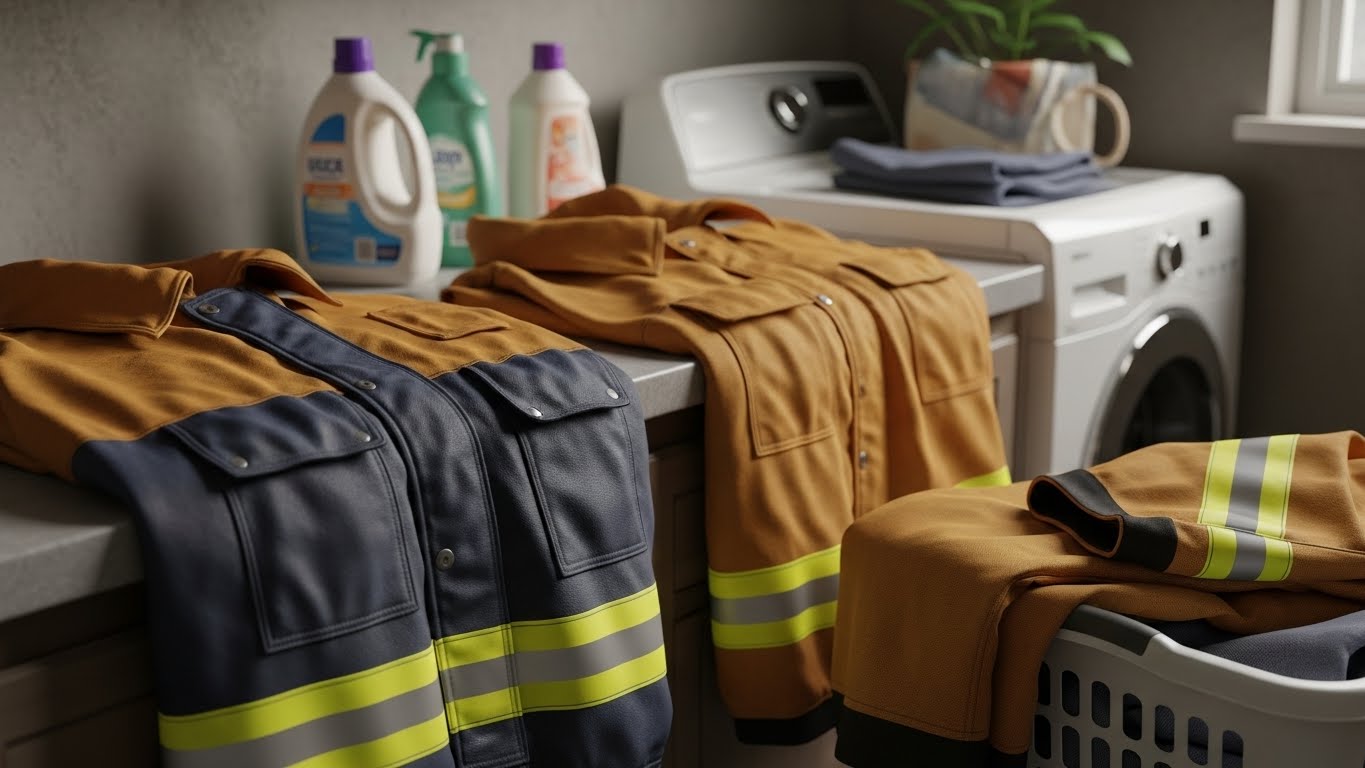
To wash flame resistant clothing, use warm water between 105–140°F and select a normal or cotton cycle. Fill the washer no more than two-thirds full.
Use mild, enzyme-based liquid detergents specifically designed for FR fabrics. Avoid bleach, fabric softeners, and additives that damage protection.
Pre-treat stains with compatible detergents and wash FR garments separately inside out. Dry on low heat or air dry.
Proper care maintains safety and durability. Understand these steps thoroughly to preserve your gear’s protective performance.
When selecting the right water temperature and wash cycle for flame resistant (FR) clothing, you need to balance effective cleaning with fabric preservation.
Use warm water between 105–120°F to remove soils efficiently without causing excessive shrinkage. Avoid exceeding 140°F, as higher temperatures risk color loss and degrade FR treatments. Frequent washing is recommended to avoid soiling and maintain peak FR properties, ensuring the garment life. It is important to avoid high temperatures that can cause material degradation similar to other protective fabrics.
For lightly soiled garments, opt for cold water to maximize lifespan and color retention. Choose a normal or cotton cycle with high water levels, filling the washer about two-thirds full to guarantee thorough cleaning.
In industrial settings, follow a flush, break, carry over, and rinse sequence, keeping rinse temperatures under 160°F and conditioning below 165°F.
Short extract times minimize wrinkles and abrasion. Avoid overly hot cycles that compromise fabric integrity and reduce garment longevity.
When it comes to choosing the right detergents for your flame-resistant (FR) garments, it’s really important to pick ones that are specifically designed to maintain those FR properties. For instance, you might want to consider liquid Tide variants that are suitable for your washing machine type, or you could opt for specialized options like FR Safe Wash™ detergents. It is also recommended to avoid detergents containing hydrogen peroxide as they can degrade the FR polymer and damage FR properties. Using the proper cleaning agents helps preserve the garment’s protective qualities essential for hand safety during welding.
Now, here’s a big no-no: steer clear of any cleaners that contain chlorine bleach, fabric softeners, or oxidative agents. Trust me, these can really mess with the fabric’s protective qualities!
And if you’re dealing with some stubborn stains, don’t worry. You can pre-treat those spots with enzyme-based detergents. Just apply them directly to the stain and let them sit for a bit before tossing everything in the wash. This way, you’ll make sure to effectively remove contaminants while keeping safety in check.
Although flame resistant garments demand careful maintenance, selecting the right detergent plays a crucial role in preserving their protective qualities.
You should use mild, enzyme-based liquid detergents specifically formulated for flame-resistant fabrics, such as Liquid Tide for top-loaders or Liquid Tide HE for front-loaders.
These detergents effectively remove grease and dirt without compromising flame resistance. It is important to avoid over-thinning effects in cleaning solutions to maintain fabric integrity.
Avoid detergents containing fabric softeners, natural soaps, or silicates, which can damage fibers or leave residues.
Specialty FR detergents like FR Safe Wash™ Special FRC and Firesoaps products provide optimized cleaning while maintaining safety standards like ASTM 2757.
For best results, pre-treat stains with enzyme detergents and wash in warm water with adequate agitation.
This ensures your garment’s protective properties remain intact throughout its lifespan. Additionally, it is important to follow the temperature recommended on the care label when using hot water to avoid damaging the flame-resistant finish.
Since flame resistant clothing relies on specialized treatments to maintain protection, selecting detergents without harmful ingredients is critical.
Avoid any detergent containing bleach or chlorine, including so-called “bleach alternatives,” as these oxidizers degrade fabric integrity and FR performance.
Steer clear of hydrogen peroxide and oxygen-based bleaches, which strip flame-resistant chemicals and compromise safety in flash fire events.
Fabric softeners and dryer sheets leave a flammable residue that reduces protection and ignite easily under heat. Proper cleaning methods are essential to maintain the corrosion resistance of protective coatings in treated fabrics.
Never use starch or sizing additives; they coat fibers with combustible material, raising flammability risks and degrading fabric over time.
Also, avoid natural soaps with animal fats or oils like tallow and kerosene, which leave highly flammable residues.
Using detergents formulated specifically for flame resistant fabrics helps preserve FR properties and ensures compliance with safety standards.
Choosing the right detergent means protecting the garment’s fire-resistant properties throughout its lifespan.
When preparing flame resistant (FR) clothing for cleaning, selecting mild, bleach-free detergents is essential to preserve the garment’s protective qualities. Choose reputable brands like Tide, available in liquid or dry forms, ensuring they’re compatible with warm water washes and manufacturer guidelines. It is important to avoid additives such as fabric softeners or bleach since these can degrade the FR treatment.
For stain pre-treatment, use oxygen-based removers such as Shout® or Zout®, avoiding hydrogen peroxide products that can damage FR fibers. Apply these stain removers before washing in hot water only if the care label permits.
For heavy dirt or grease, pre-treat with mild soap and water or appropriate dry cleaning solvents, fastening closures to prevent snagging. Remember, petroleum-based soils require complete removal; otherwise, retire the garment.
Always adhere to water temperature limits—typically under 140°F—to maintain FR integrity during cleaning.
Because flame resistant clothing often contains chemical additives, you need to understand which substances pose health and environmental risks.
Avoid garments treated with halogen-based retardants like PBDEs and TDCPP. These are known carcinogens that release toxic smoke and persist in the environment.
Be cautious of PFAS chemicals, which are linked to hormonal disruptions and fertility issues. Choose OEKO-TEX® certified clothing that guarantees PFAS-free fabrics.
Prefer inherent flame resistant fibers such as aramid or FR polyester. These integrate resistance at the molecular level without harmful coatings. This molecular-level approach produces rapid carbonization and a protective char layer that blocks heat and oxygen. Additionally, the choice of fibers affects the garment’s thermal conductivity and comfort during prolonged use.
Stay clear of treated cotton with chemical finishes. These may wash out and contribute to pollution.
Always verify certifications like OEKO-TEX® Standard 100. This ensures formaldehyde and other toxic substances remain within safe limits for skin contact and environmental safety.
Although flame resistant garments demand careful handling, preparing them properly for washing guarantees their protective qualities remain intact.
First, always separate FR clothing from non-FR and personal garments to prevent contaminant transfer and fiber compromise. Proper separation also helps maintain the garment’s heat resistance levels and durability.
Turn each garment inside out to protect the outer FR-treated surface, reduce abrasion, and preserve color vibrancy.
Use soft or conditioned water to avoid mineral buildup. Hard water deposits can impair flame resistance.
Load your washer no more than two-thirds full with a high water level, loosely adding garments to prevent stress.
Select the normal or cotton cycle with temperatures up to 140ºF (60ºC), adhering strictly to care labels.
Use liquid detergents free from fabric softeners and animal fats for peak cleaning, and pre-soak heavily soiled items when necessary.
Always follow manufacturer care instructions precisely to maintain the garment’s protection ratings.
When it comes to those stubborn stains, you really want to hit them hard. Start by applying some heavy-duty detergent or a bleach-free stain remover directly onto the affected areas before tossing them in the wash. It’s a great way to give those stains a fighting chance! Using a targeted cleaning approach ensures better stain removal without compromising the fabric’s integrity.
Now, if you’re dealing with grease and dirt, enzyme-based detergents are your best buddies. They really know how to break down those tough spots. And for those smaller blemishes, just dab a bit of mild dish soap on there. Just be gentle, though! You don’t want to risk damaging the fabric. Always avoid harsh chemicals and fabric softeners to maintain the garment’s flame-resistant properties. Regular maintenance and proper cleaning help preserve the material’s protective qualities over time.
Oh, and let’s not forget about safety! Always follow proper contaminant removal practices. This not only helps preserve flame resistance but also keeps you from accidentally cross-contaminating other items. It’s all about keeping things safe and effective! Using specialized cleaning products designed for flame-resistant fabrics can enhance longevity and safety.
When tackling stubborn stains on flame-resistant clothing, start by carefully checking the manufacturer’s instructions to make certain your pretreatment won’t compromise the garment’s protective qualities. It is essential to remove all soil and contaminants because residues can fuel ignition and diminish the fabric’s flame resistance removal of contaminants.
Use the same detergent planned for laundering, diluted if indicated, and gently rub it into the stain, allowing 4-5 minutes to work. Avoid bleach or harsh chemicals that weaken fibers and always respect water temperature limits on the care label. Proper cleaning and chemical compatibility help maintain fabric integrity and flame resistance.
Apply enzyme-based detergent for grease and dirt stains.
Soak garments inside out with liquid detergent to loosen embedded soil. Use oxygen-based stain removers labeled safe for FR fabrics.
Avoid chlorine or peroxide bleach that degrade flame resistance. Consider dry cleaning with suitable solvents only after washing fails.
Precise pretreatment guarantees effective stain removal without sacrificing safety.
After carefully pretreating stubborn stains, focus shifts to removing contaminants without compromising flame resistance. Use enzyme-based liquid detergents to break down grease and dirt. Apply them directly and let sit for 5–10 minutes before washing. It is crucial to follow manufacturer’s instructions precisely to maintain the garment’s protective properties throughout cleaning. Proper cleaning also helps preserve the durability and heat protection of the materials used in flame resistant clothing.
Avoid bleach or fabric softeners, which degrade FR properties. Choose water temperature based on garment fiber; hot water works well for cotton but may shrink blends. For heavy contamination, industrial washing or professional dry cleaning using approved solvents is essential.
Always inspect post-wash for residual stains or odors indicating incomplete removal. Rewashing may be necessary.
| Contaminant Type | Recommended Action |
|---|---|
| Grease & Dirt | Enzyme detergent + soak |
| Flammable Stains | Immediate washing or dry clean |
| Tough Stains | Pre-soak + oxygen-based remover |
| Odors | Rewash or professional clean |
| FR Denim | Avoid dry cleaning |
In managing flame resistant (FR) clothing, separating washing loads is essential to prevent cross-contamination with non-FR garments. Always wash FR items separately, using no more than two-thirds washer capacity and high water levels to reduce abrasion. Pre-treat heavy stains with enzyme-based detergents or specialized stain removers. Wearing FR clothing made from lightweight breathable fabrics can help reduce heat buildup during use.
Separate FR clothing washing loads to prevent contamination, using moderate capacity and pre-treating heavy stains for best care.
Turn garments inside out to protect color and fabric integrity. Use warm water up to 140°F (60°C) to optimize cleaning without risking damage. It is important to completely remove contaminants during washing to preserve the FR performance.
Wash FR clothing separately from all non-FR garments. Use liquid, bleach-free detergents; avoid softeners and starch. Pre-soak heavily soiled items with detergent or stain remover.
Turn garments inside out before washing for color retention. Limit washer load size for thorough cleaning and minimal abrasion. These steps assure FR properties remain intact while thoroughly removing contaminants.
Although drying flame resistant clothing might seem straightforward, you must use low heat settings, around 140°F (60°C), to preserve fabric integrity and maintain protective properties.
High heat causes shrinkage, damages fibers, and reduces flame resistance. Set your dryer to low or opt for air drying to prevent excessive wear and brittleness.
Always consult the latest NFPA 2113 guidelines to ensure compliance with recommended drying practices.
Never use fabric softeners, dryer sheets, starch, or additives. They leave flammable residues and impair moisture-wicking.
Remove garments promptly when the cycle ends to avoid wrinkling, which can stress fabric and affect fit. Follow manufacturer labels and industry standards strictly.
Improper drying compromises coverage and protection. By adhering to these precise drying guidelines, you make certain your flame resistant clothing remains effective, durable, and compliant with safety requirements.
When stains refuse to come out despite your best efforts, it’s crucial to address them promptly and correctly to preserve your flame resistant clothing’s protective qualities.
Start by applying a diluted detergent to the stain, gently rubbing it in and letting it sit for 4-5 minutes. For tough oil or grease stains, soak the garment with liquid detergent or a bleach-free stain remover. Washing FR garments only with other FR garments helps maintain their protective properties during stain removal.
Avoid bleach, fabric softeners, and starch to prevent damage to the FR fabric. If standard washing fails, consider dry cleaning with petroleum or perchloroethylene solvents, especially for heavy contamination.
Pre-treat flammable substance stains immediately. Use manufacturer-recommended detergents for both pretreatment and washing.
Wash in warm water up to 140°F (60°C) if the label permits. Don’t use bleach or harsh chemicals. Opt for dry cleaning when stains persist or the garment is heavily soiled.
Proper care and maintenance play a vital role in preserving the flame resistance of your clothing. Always follow the manufacturer’s specific care instructions, as fabric blends and treatments vary.
Proper care is essential to maintain your clothing’s flame resistance—always adhere to the manufacturer’s care guidelines.
Wash your FR garments separately in warm water around 140°F using liquid detergent, turning them inside out to protect color. Avoid hot water and high dryer heat to prevent breakdown of flame-resistant properties and shrinkage, which can expose skin. Use mild detergent only and avoid soaps that leave deposits on fabric to maintain fabric integrity.
Line drying or removing clothes damp from the dryer helps maintain fit. Store garments in clean, dry, well-ventilated spaces away from chemicals and direct sunlight.
Inspect your clothing before each use for damage, and repair only with FR-compliant materials, adhering to NFPA 2113 standards. Retire garments showing excessive wear to guarantee your protection remains uncompromised.
You can wash flame resistant clothing with regular home laundry detergents, but you should avoid those containing fabric softeners or harsh chemicals.
Liquid detergents without additives work best to preserve flame resistance. Don’t use soaps with animal fats, chlorine bleach, or peroxide.
Always choose detergents compatible with FR fabrics to prevent damage. Following these guidelines helps maintain the protective qualities while keeping your garments clean and safe.
Yes, you can iron flame resistant garments, but you must use low heat and a protective barrier like a pressing cloth to prevent damage.
Always turn the garment inside-out and avoid steam, especially on treated cotton blends.
High temperatures or direct contact can degrade the flame resistance and cause shrinkage.
Follow the care label instructions strictly to maintain safety and performance.
When possible, press garments warm from the dryer to reduce ironing needs.
You might think a quick glance is enough, but you should inspect your flame resistant clothing before every use to catch immediate damage.
Then, conduct a thorough monthly review to spot wear not obvious at first. If your environment is less harsh, quarterly checks may suffice.
Always inspect upon receipt, after cleaning, and after any exposure to damage or contamination.
This disciplined approach guarantees your gear’s protective integrity stays uncompromised.
You should never bleach flame resistant clothing, even if it’s heavily stained. Chlorine bleach destroys the protective properties of treated FR fabrics and is prohibited by industry standards for all FR types.
Instead, use mild, bleach-free detergents and FR-safe stain removers to maintain safety. Bleach exposure not only compromises protection but also risks heat reactions, increasing injury potential.
Always follow manufacturer laundering guidelines to preserve your gear’s integrity.
Store your flame resistant clothing in a cool, clean, and chemical-free corner.
Keep it dry, detached from dampness, and away from direct daylight to defend fabric durability.
Use well-ventilated, moisture-free spaces with silica gel or dehumidifiers to deter mold.
Always separate garments from oils and solvents to safeguard safety standards.
By following these careful steps, you’ll gently preserve your flame resistant clothing’s protective qualities while keeping it fresh and ready for action.
Avoid shortcuts that might compromise its integrity, and treat stains with patience to extend garment life.
Remember, a little extra attention now means your gear stays reliable when you need it most. With mindful care, your clothing won’t just look clean—it’ll stay your steadfast shield against the unexpected.