Phone:
(701)814-6992
Physical address:
6296 Donnelly Plaza
Ratkeville, Bahamas.

Phone:
(701)814-6992
Physical address:
6296 Donnelly Plaza
Ratkeville, Bahamas.

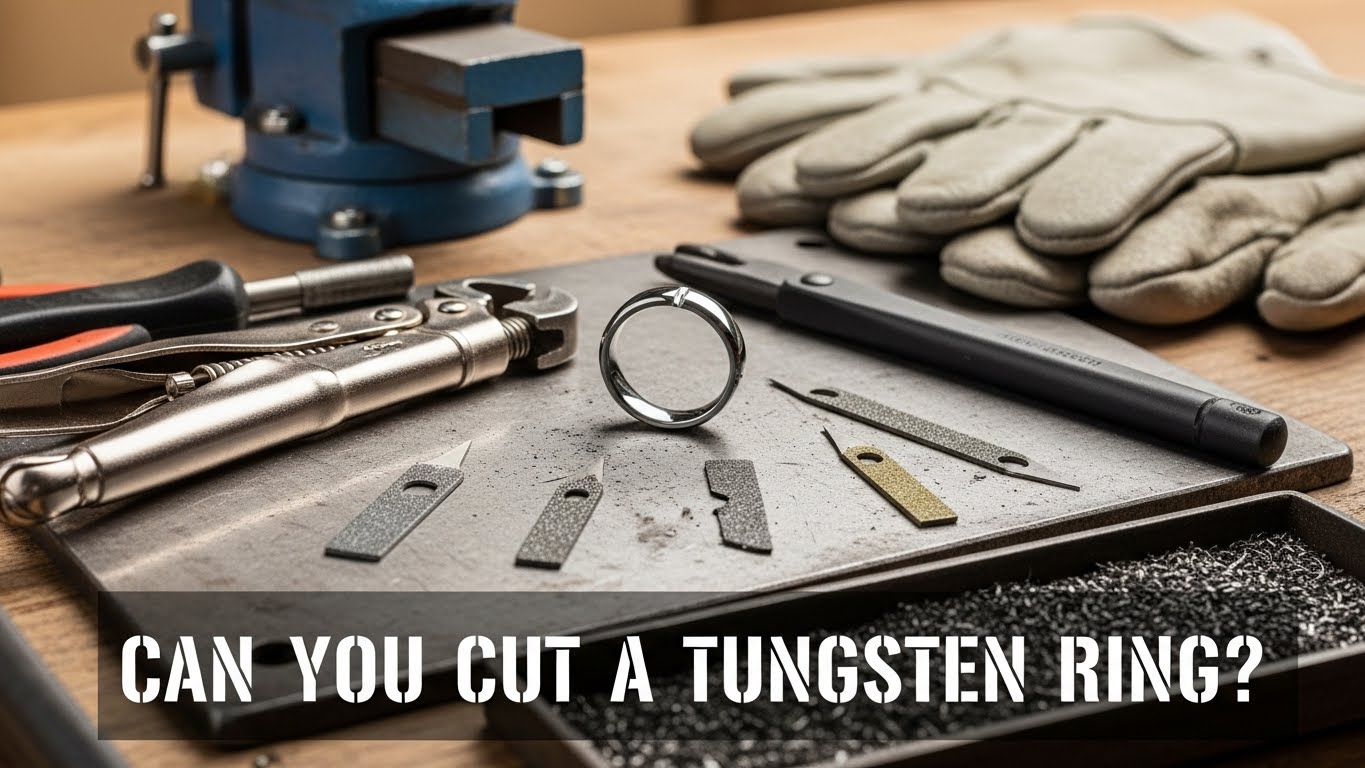
You can’t cut a tungsten ring with standard cutters because tungsten’s extreme hardness and brittleness resist typical tools and risk shattering.
Instead, you need specialized equipment like diamond-coated blades or cracking techniques using vice grips to fracture the ring safely, minimizing heat buildup and injury.
Improper methods can cause dangerous heat, sharp shards, and respiratory hazards from airborne particles. Understanding advanced removal methods and safety measures is essential for effective, injury-free tungsten ring removal.
Because tungsten carbide ranks among the hardest metals used in jewelry, you’ll find that standard ring cutters and common hand tools can’t cut through tungsten rings. Tungsten’s extreme hardness surpasses that of gold or silver, rendering manual cutters ineffective. Its high melting point and thermal stability contribute to the difficulty of cutting without specialized equipment.
Tungsten carbide’s superior hardness makes standard ring cutters and common tools ineffective for cutting tungsten rings.
Ordinary steel blades, bolt cutters, and rotary tools lack the hardness required and often fail or produce dangerous heat. Tungsten’s brittleness means it cracks rather than bends under stress, so excessive force risks unpredictable shattering. This characteristic also means tungsten rings cannot be resized due to their extreme hardness.
Diamond-tipped tools or specialized equipment are necessary to safely approach cutting. Such tools provide higher durability and prevent contamination common with softer abrasives, making them essential for precise tungsten work. Without these, attempts can cause injury from sharp fragments or burns from heat.
Consequently, cutting tungsten rings demands precise instruments and expertise beyond standard jewelry tools. This highlights the challenges posed by tungsten’s unique hardness and brittleness, as well as the need to consider material properties when selecting cutting methods.
To remove a tungsten ring using the cracking off method, you’ll need sturdy vice grips capable of applying controlled, incremental pressure. Most paramedic or emergency response teams should be equipped with vice grips for such situations.
Start by adjusting the vice grips wider than the ring diameter. Then tighten gradually until it locks snugly, about 1-2 mm smaller than the ring’s outer diameter.
Apply steady, quarter-turn pressure increments to induce microfractures on the ring surface without sudden force. Once cracks form, the ring will shatter, allowing easy removal. Proper safety precautions during this process help prevent injury and ensure effective removal.
Key points to remember:
Lock the vice grips securely but avoid excessive force to prevent finger injury.
Wear eye protection to guard against flying fragments.
Lubricate the finger and ring area to reduce friction during removal.
When you need to remove a tungsten ring safely and efficiently, specialized devices offer tailored solutions that address tungsten’s unique hardness and brittleness.
Professionals rely on hydraulic presses, diamond saws, and abrasive cutting machines, each providing controlled force or precision cutting to avoid injury and damage. Emergency kits and ring cracking tools enhance rapid removal capabilities without heat risks.
Due to the extreme hardness of tungsten carbide, traditional ring-cutting tools are largely ineffective, necessitating the use of these specialized devices that minimize the risk of finger injury from improper removal attempts extreme hardness. Proper operator protection and technique are essential to prevent injury during removal.
| Device Type | Key Features |
|---|---|
| Hydraulic Press | High pressure, controlled force, stone-safe |
| Diamond Saw | Diamond blades, precise cuts, skilled use |
| Abrasive Cutting | Metal discs, portable/stationary, clean cuts |
You’ll really appreciate how the Dolphin Ring Cutter’s AssureCUT™ disc is designed to effortlessly grind through tough metals like tungsten. And guess what? It does this while minimizing heat, which is pretty impressive! This heat reduction also helps prevent thermal injuries, ensuring safer handling of the device during operation.
Now, let’s talk about safety. The integrated finger protection system is a game changer. It automatically regulates cutting pressure, which means it keeps your skin safe from injury during the whole process. The device also features an automatic shut-off that pauses for 5 seconds if excess force or improper use is detected, adding an extra layer of user protection.
But that’s not all! The device also incorporates lubrication and debris control mechanisms. This helps reduce friction and prevents any hazardous particles from being ejected, making the ring removal process not just efficient, but also super safe. Isn’t that great? Wearing protective gloves during use further enhances safety by shielding hands from any residual heat or sharp debris.
Experience cutting-edge precision with the AssureCUT Disc, a diamond-coated, single-use cutting disc engineered specifically for the Dolphin Ring Cutter.
This disc excels at cutting through all ring metals, including tungsten, titanium, and cobalt, thanks to its thin, precise design that enables smooth, clean cuts without damaging the ring or surrounding tissue. Its focused design helps reduce thermal distortion during cutting, preserving the ring’s integrity.
You’ll appreciate its controlled, consistent cutting action tailored for delicate medical procedures, minimizing discomfort and risk.
Key features include:
Single-patient use to guarantee hygiene, safety, and peak performance.
Slow, regulated spin rate minimizing heat, sparks, and debris.
Intelligent pressure control with real-time cut progress monitoring.
These design elements empower you to perform safe, efficient ring removals with confidence and medical-grade reliability. The Dolphin Ring Cutter uses the AssureCUT Disc with a slow spin to minimize heat generation during cutting, ensuring patient safety and ring integrity.
Building on the precision cutting capabilities of the AssureCUT Disc, the Dolphin Ring Cutter incorporates an integrated finger protection mechanism that markedly enhances user and patient safety. Its design minimizes exposure to welding-related hazards similar to how heat-resistant gloves protect workers handling weld-through primers.
This automatic guard shields your finger by maintaining a physical barrier between the cutting disc and skin, adapting seamlessly to various ring sizes without manual adjustment.
It applies optimized, consistent force to preserve cutting efficiency while stabilizing the patient’s hand to prevent movement. The device uses AssureCUT Discs to ensure high-performance cutting of all ring metals, including Tungsten and Titanium.
Automated guidance further reduces human error, minimizing laceration risks.
The system’s regulated slow blade speed and Over Power Alert complement the guard by controlling heat and force, preventing burns and injuries.
Designed for single-user operation, this technology guarantees precise, safe ring removal with minimal training, making it a reliable tool in emergency scenarios.
While cutting a tungsten ring demands precision, the Dolphin Ring Cutter guarantees peak performance through sophisticated lubrication and debris control systems.
You’ll appreciate how regular lubrication reduces friction, heat buildup, and wear on the AssureCUT disc, ensuring smoother cuts and patient safety. The cutter also controls debris by managing disc speed and pressure, confining particles within guarded zones. These measures are critical as abrasion and repeated contact can expose underlying materials during cutting, increasing risk if not properly managed.
Key features include:
Automated lubrication reminders and pressure sensors optimize cutting efficiency and debris suppression. The device’s controlled cutting rate prevents heat generation and minimizes burns, enhancing patient protection.
Integrated guards and controlled spin speed minimize airborne metal shards and thermal injury risks.
Quick, tool-free disc changes maintain cutting precision and reduce debris from dull blades.
These technologies work together to protect both the patient and operator, delivering safe, clean, and efficient tungsten ring removal every time.
When you try to take off a tungsten ring the wrong way, there are some serious risks involved.
First off, you could end up inhaling hazardous tungsten carbide dust that’s released into the air. This dust can really irritate your respiratory system, making it hard to breathe comfortably. In fact, airborne debris levels from high-speed rotary tools often exceed NIOSH short-term exposure limits, posing significant health risks. Proper respiratory protection is crucial to reduce inhalation hazards during cutting.
Plus, if you’re using cutting tools, they can generate a ton of heat in just a few seconds. This can lead to severe burns on your fingers, which might result in tissue damage or even worse—amputation. That’s definitely something you want to avoid!
And here’s another thing to keep in mind: the ring might shatter or explode without warning. When that happens, you could be in danger from sharp fragments flying around, which can cause serious injuries.
Cutting tungsten rings improperly releases fine airborne tungsten carbide particles that pose significant respiratory hazards. When you use high-speed rotary tools, these particles become airborne, exceeding safety limits and increasing your risk of inhalation. The tungsten carbide composition includes cobalt, which when inhaled as dust or fumes, carries a very high health risk due to its potential to cause severe lung damage.
Without proper protection, you may experience respiratory irritation, allergic reactions, or even severe lung damage. Prolonged exposure can lead to pulmonary inflammation, fibrosis, and diseases such as hard metal lung disease. The use of adequate ventilation and fume control measures is essential to reduce airborne particle concentration.
Key respiratory risks include inhalation of tungsten carbide dust exceeding NIOSH limits, causing lung inflammation and fibrosis. Persistent airborne particles can induce chronic respiratory symptoms like cough, chest tightness, and dyspnea.
There is also synergistic toxicity when tungsten combines with cobalt or nickel, worsening lung damage. To minimize risks, use specialized cutters and appropriate respiratory protection during tungsten ring removal.
You frequently encounter intense heat generation during tungsten ring removal, which can cause severe finger burns if not properly managed.
Cutting tungsten with high-speed rotary tools produces rapid frictional heat; just four seconds of Dremel tool contact can inflict third-degree burns.
This extreme thermal buildup risks blistering, digital thermal necrosis, and deep tissue damage, potentially necessitating skin grafts or amputation.
To mitigate these injuries, continuous water cooling during cutting is essential.
You must also monitor for swelling and compromised circulation, as edema combined with heat can lead to ischemia or gangrene.
Prompt assessment of tissue perfusion and nerve function after removal is critical.
Applying heat evenly while ensuring cooling can help prevent excessive tissue damage during the removal process.
Although tungsten rings are prized for their durability, their brittleness poses significant risks during removal attempts. When you try to cut or force a tungsten ring off, it may shatter suddenly, sending sharp fragments flying.
This “ring explosion” hazard can cause severe lacerations or eye injuries if you’re unprotected. You must handle removal with caution and use proper safety gear. Tungsten carbide, the material commonly used, is known for its extreme hardness but also for being brittle enough to crack under pressure.
Key risks to take into account include: sudden shattering under pressure, creating dangerous flying debris; potential cuts or eye trauma from fragmented ring pieces; necessity of protective equipment and controlled techniques to avoid injury.
In emergencies, carefully cracking the ring is safer than cutting, as it limits heat buildup and tool slippage risks. Always prioritize specialized tools designed for tungsten’s unique properties.
When faced with the challenge of removing a tungsten ring, several techniques stand out for their varying balance of speed, safety, and ring preservation.
Locking pliers offer rapid removal, fracturing the ring in about 23 seconds, but they destroy it and pose risks from sharp debris. In a controlled study, the locking pliers method was shown to be substantially faster than other techniques, with a mean removal time of just 23.1 seconds locking pliers method.
Umbilical tape or string compresses swelling to slide the ring off intact, though it requires patience and skill, averaging 135 seconds.
Compression devices non-invasively reduce edema within 5–10 minutes, easing removal without damaging the ring or finger.
Diamond-tipped drills precisely cut tungsten rings without excessive heat, preserving the ring but needing specialized equipment and expertise.
Lubrication combined with elevation and ice offers a conservative first step, generally ineffective alone for tungsten due to its hardness but useful before more invasive methods.
Since tungsten rings are exceptionally hard and brittle, emergency removal requires specialized techniques and tools to guarantee safety and efficiency.
First, reduce finger swelling by elevating the hand and applying ice or cold water.
Then, use lubrication to ease ring manipulation.
If swelling persists, a compression device can safely reduce tissue size, enabling ring removal without cutting or facilitating safer cutting.
When cutting is necessary, medically registered tools like the Dolphin Ring Cutter or ring cracking devices offer controlled, precise methods that minimize trauma.
Always protect your skin and eyes with barriers and gloves during removal.
It is important to cover any open wounds before starting the procedure to prevent contamination and equipment damage precautions and analgesia.
To prevent damage, you should clean your tungsten ring regularly with warm water and mild soap, using a soft cloth to dry it gently.
Avoid harsh chemicals like bleach or ammonia, and don’t soak it longer than 30 minutes.
Use a soft toothbrush for grooves and avoid abrasive polishes.
Remove your ring during chemical exposure or heavy manual work.
Store it separately in a soft pouch to prevent scratches and consider professional cleaning annually for peak care.
No, you can’t resize tungsten rings after purchase because tungsten carbide is extremely hard and brittle, making bending or cutting impossible without damaging the ring.
Instead, you should rely on size exchange programs offered by many jewelers, which allow you to swap your ring for the correct size.
For minor fit issues, you can use ring spacers temporarily, but permanent resizing isn’t feasible.
Always choose the right size upfront to avoid problems.
You might be surprised to learn tungsten rings are generally hypoallergenic for sensitive skin.
High-quality tungsten carbide uses nickel binders, which rarely trigger allergies, unlike cobalt.
But beware, low-grade rings with cobalt can cause irritation.
To guarantee safety, verify your ring’s composition and source.
Their durability and corrosion resistance further reduce skin reactions.
Just make sure your ring fits well, since improper sizing, not allergies, can cause discomfort.
The average weight of a tungsten ring typically ranges between 15 to 20 grams, depending on its size and design.
For example, an 8mm tungsten carbide ring in size 12 usually weighs around 17 grams.
You’ll notice tungsten rings feel heavier compared to gold or titanium due to tungsten carbide’s density of about 15.6 g/cm³.
Factors like band width, thickness, and any inlays also influence the final weight you experience.
Tungsten outperforms most metals in ring durability due to its exceptional hardness, scoring 8.5–9.5 on the Mohs scale, far above gold, platinum, and titanium.
You won’t see scratches or dents easily, and it maintains its polished look longer. However, it’s brittle and can shatter under strong impact, unlike softer metals that bend.
Chemically, it’s inert, resisting tarnish and corrosion better than gold or titanium, ensuring long-lasting wear.
Cutting a tungsten ring isn’t like slicing through butter. It demands the right tools and techniques.
Using standard cutters risks cracking or shattering the ring, while specialized devices like the dolphin ring cutter offer precision and safety.
If you’re faced with an emergency removal, rely on proven methods to avoid injury.
Remember, improper attempts can turn a simple task into a costly mistake, so always choose the technique that fits the challenge like a glove.