Phone:
(701)814-6992
Physical address:
6296 Donnelly Plaza
Ratkeville, Bahamas.

Phone:
(701)814-6992
Physical address:
6296 Donnelly Plaza
Ratkeville, Bahamas.

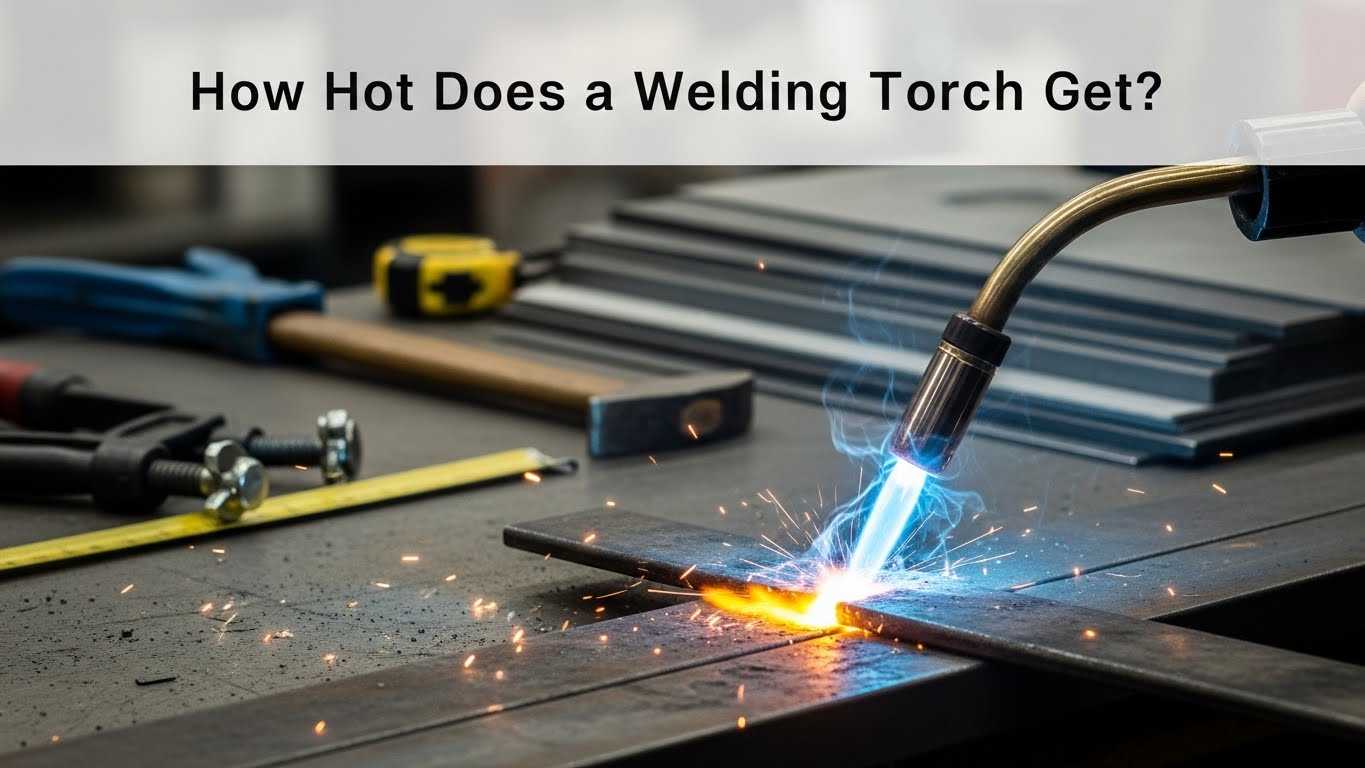
A welding torch’s temperature depends on fuel and setup. Oxy-acetylene torches can reach about 6,330°F (3,500°C), providing the highest heat output among common portable torches.
Propane flames run cooler, maxing near 5,200°F (2,870°C) in oxygen-fed systems.
Torch design, fuel-to-oxygen ratio, and nozzle choice directly affect flame temperature and focus. Precise adjustments guarantee proper heat for different metals. Understanding these factors can enhance your control over welding heat and efficiency.
Although welding torches vary widely in design and purpose, they typically operate within a temperature range of 3,000 to 20,000 degrees Fahrenheit (1,648 to 11,000 degrees Celsius). This range depends primarily on the fuel gas and welding method employed. Shielding gases like argon gas play a crucial role in maintaining weld integrity by stabilizing the arc and controlling heat input.
You’ll find oxy-acetylene torches reaching up to about 6,330°F, suitable for most ferrous and non-ferrous metals. Propane torches, especially air-fed types, run cooler, maxing near 2,000°C, limiting their use to lower melting point materials. The fuel composition and torch design can significantly influence the maximum achievable temperature.
Arc welding torches, including TIG and MIG, generate intense heat between 6,000 and 10,000°F, with arc temperatures far exceeding flame-based torches. You can adjust operating temperatures precisely to match the material thickness and type, ensuring effective melting without compromising metal integrity.
Understanding these ranges helps you select the right torch for your specific welding tasks. Using appropriate shielding gases and equipment safeguards the weld quality and enhances productivity.
Did you know that with an oxyacetylene torch, you can reach a maximum flame temperature of around 6,332°F (3,500°C)? It’s all about getting that oxygen-to-acetylene ratio just right. This temperature is substantially lower than the plasma arc temperatures, which can reach up to 40,000°F.
But here’s the thing—it’s not just the ratio that matters. The design of your torch tip, the purity of your gases, and even the settings on your regulator play a huge role in achieving that peak heat output. Oxy-acetylene setups tend to be the heaviest among common torches, weighing around 37.5 lbs, which is something to consider for portability and handling heavy setup.
When you adjust an oxyacetylene torch, its flame temperature can reach between 3,150°C and 3,482°C (5,600°F to 6,300°F). The inner cone of the neutral flame peaks around 3,300°C (6,000°F).
This inner cone is the hottest region, defined by light blue coloration. Acetylene combined with oxygen produces the highest flame temperature of common fuel gases, essential for welding steel. Multiple sources confirm that the peak flame temperature can be as high as 3,480 °C.
Consider these critical points:
The maximum heat output of an oxyacetylene torch depends on several interrelated factors that influence flame temperature and intensity. You must carefully regulate fuel and oxygen flow rates, as increasing them raises flame velocity and heat output, optimizing preheat efficiency. Proper ventilation and respiratory protection are essential when working with high-heat torches to mitigate exposure to hazardous fumes.
Selecting the appropriate torch tip, rated by its Btu capacity, guarantees sufficient heat concentration for the metal thickness. This accelerates heating or cutting without wasting fuel.
Maintaining the correct oxygen-to-fuel ratio is critical; a neutral flame maximizes temperature. Deviations cause inefficient oxidizing or carburizing flames.
Finally, the fuel gas type impacts peak flame temperature. Acetylene combined with oxygen delivers the highest heat output, making it ideal for rapid, focused heating. Additionally, the torch design and components such as tip geometry significantly affect heat concentration and flame characteristics. Balancing these variables precisely maximizes your torch’s performance and efficiency.
Although propane offers versatility in heating applications, it doesn’t reach the flame temperatures achieved by acetylene or other fuel gases commonly used in welding. It is important to select the correct tungsten electrode color when working with aluminum, as this affects arc stability and weld quality.
Acetylene flames can peak near 6,000°F (3,300°C), markedly hotter than propane’s maximum of about 5,200°F (2,870°C) in oxygen-fed torches. This temperature gap impacts efficiency and precision.
Consider these critical points:
Since mastering torch performance depends on understanding its flame, you need to analyze the flame’s distinct zones and their characteristics.
The oxy-acetylene flame has three main zones: the hot inner cone, the white “acetylene feather,” and the blue outer cone.
The inner cone, where acetylene and oxygen react, reaches up to 6,000°F (3,316°C), representing the flame’s peak temperature.
The feather, present in carburizing flames, indicates unburned carbon and lowers temperature to about 5,000°F (2,760°C).
The blue outer cone surrounds these zones, cooler at roughly 2,300°F to 2,500°F (1,260°C to 1,370°C).
Each zone’s size and temperature fluctuate with oxygen and fuel flow adjustments, influencing flame chemistry and weld quality.
Recognizing these zones precisely allows you to optimize heat application and welding outcomes. Proper heat control techniques can reduce defects and improve weld quality.
For safety and optimal operation, remember that using acetylene above 15 psi pressure is dangerous due to its instability and potential for explosive decomposition.
When it comes to controlling torch temperature, it’s all about tweaking the flame size and shape to fit what you’re welding. You want to make sure that your nozzle and tip are just right; that way, you get the best heat distribution and efficiency. Using gloves with appropriate heat resistance levels can also help protect your hands when adjusting the torch under high temperatures.
Also, don’t forget about the gas mixture! Adjusting that can really fine-tune how the flame burns, which in turn affects the temperature you’re working with. Maintaining the correct interpass temperature is crucial to ensure weld quality and prevent issues like cracking or distortion. So, play around with these elements to achieve the perfect heat for your project!
Mastering flame adjustment techniques is essential for controlling torch temperature and ensuring weld quality. You must precisely balance oxygen and fuel gas ratios to achieve a neutral flame, equal parts oxygen and fuel, for peak temperature and clean combustion. Wearing heat-resistant gloves during adjustments is crucial to protect your hands from burns.
Adjusting this mix affects flame heat and oxidation levels, directly influencing weld integrity.
To control flame temperature effectively, consider these steps:
Adjusting flame composition alone won’t fully control the torch temperature; selecting the right nozzle and contact tip plays a significant role in managing heat at the torch front.
Smaller nozzles concentrate heat for precision work, while larger diameters spread heat, lowering temperature for thick metals.
Tapered nozzles reduce heat radiation into the tip, extending component life and minimizing spatter adhesion.
For contact tips, materials like copper-chromium-zirconium offer standard performance but wear faster under high currents. High-duty-cycle tips improve thermal resistance.
Stick out adjustments also affect nozzle temperature indirectly by reducing heat exposure. You must maintain proper stick out and replace tips every 10-15 hours to avoid thermal damage.
These choices optimize heat distribution and prolong torch front component lifespan without relying solely on flame adjustments.
Additionally, proper heat application and cooling techniques can help maintain glove fit and protection when working with hot equipment, including welding torches, by shrinking gloves made of shrinkable materials like leather or neoprene to achieve a snug fit without damage, as recommended in heat application.
When regulating torch temperature, controlling the gas mixture precisely is essential for achieving ideal flame characteristics.
You adjust the oxygen/fuel (O/F) ratio to manipulate flame temperature, aiming for a short, bright inner cone indicating peak heat. Maintaining the flame temperature below critical limits helps to prevent damage such as zinc coating damage during heating.
Regulators set oxygen pressure between 20-30 PSI and acetylene at 5-10 PSI, ensuring steady flow rates. Regularly inspecting hoses and connections helps prevent leaks and ensures safe operation.
Needle valves on the torch fine-tune gas delivery, balancing flow to maintain the desired flame type.
Consider these critical steps:
Mastering these controls guarantees effective and safe temperature management.
Although the heat generated by a welding torch primarily depends on fuel type and welding current, the torch’s design plays a crucial role in managing and directing that heat effectively. Heat input is a critical parameter in welding processes, especially for materials like aluminum alloys with high thermal conductivity, which require careful control to avoid defects such as distortion and porosity heat input control.
You rely on materials like copper for nozzles to conduct heat away efficiently. Insulating inserts prevent heat damage to the handle.
Cooling systems, air or water-cooled, also impact heat dissipation. Water-cooled designs excel at high amperage. Proper contact tip fit ensures electrical conductivity and heat transfer, preventing overheating.
| Design Aspect | Material/Type | Heat Management Effect |
|---|---|---|
| Nozzle Material | Copper vs. Brass | Copper dissipates heat better |
| Cooling System | Air-cooled vs. Water-cooled | Water cooling enables higher current use |
| Contact Tips | Tight vs. Loose Fit | Tight fit prevents overheating |
Effective torch design optimizes heat flow, extending tool life and weld quality.
Since different metals vary widely in composition and thermal properties, their welding temperature requirements must be carefully tailored to guarantee structural integrity and minimize defects. You need to contemplate:
Welding temperatures must be customized to each metal’s unique composition and thermal properties for optimal results.
Understanding these requirements guarantees effective heat management tailored to each metal’s unique characteristics.
Ambient temperature directly influences your welding torch’s performance by affecting its operating temperature and lifespan.
In hotter environments, your torch and consumables heat up faster, accelerating wear and potentially causing failures.
Conversely, cooler temperatures reduce operating heat, extending lifespan.
You’ll need to adjust cooling systems or airflow based on ambient conditions to maintain peak torch temperatures and guarantee consistent gas flow and flame stability.
This helps prevent downtime and preserves weld quality.
Think of welding torch heat as a blazing furnace you must tame.
You’ll need flame-resistant jackets and aprons made from leather or heavy cotton to shield your body from direct flames and sparks.
Heat-resistant leather gloves protect your hands, while spats or high-top boots guard your legs and feet.
Don’t forget a welding helmet with auto-darkening filters to defend your eyes and face from intense radiation and flying debris.
Yes, welding torch temperatures can damage surrounding materials.
When heat exceeds metal melting points, you risk burn-through, warping, or weakening adjacent areas.
Thin or sensitive metals are especially vulnerable to distortion or oxidation.
You must carefully control heat input and use shielding gases to minimize the heat-affected zone.
Without these precautions, you might cause structural damage, chemical changes, or compromised weld integrity in materials near the weld site.
Like a skilled musician holding a perfect note, your welding torch can maintain peak temperature typically between 5 to 30 minutes, depending on the torch type and cooling method.
Oxy-acetylene torches last up to 30 minutes, while plasma torches need breaks after 5–10 minutes.
Proper gas flow, cooling, and adherence to duty cycles are essential to sustain heat without damaging components or compromising weld quality during extended use.
To extend your welding torch’s heat efficiency, regularly clean the torch tip and check for blockages that disrupt gas flow.
Replace worn or damaged tips promptly to maintain prime flame quality. Inspect hoses and connections for leaks, ensuring proper gas mixture.
Calibrate regulators and maintain oxygen and fuel purity to prevent flame contamination. Scheduled maintenance minimizes heat loss, preserving peak temperatures and consistent welding performance.
When you use an oxyacetylene torch, you’re working with temperatures reaching up to 6,300°F (3,482°C).
This is essential for melting most metals efficiently. Understanding this heat output helps you control the welding process precisely, ensuring strong, clean joints.
By mastering flame zones and fuel types, you can optimize your torch’s performance for different metals. Knowing these technical details empowers you to achieve better weld quality every time.