Phone:
(701)814-6992
Physical address:
6296 Donnelly Plaza
Ratkeville, Bahamas.

Phone:
(701)814-6992
Physical address:
6296 Donnelly Plaza
Ratkeville, Bahamas.

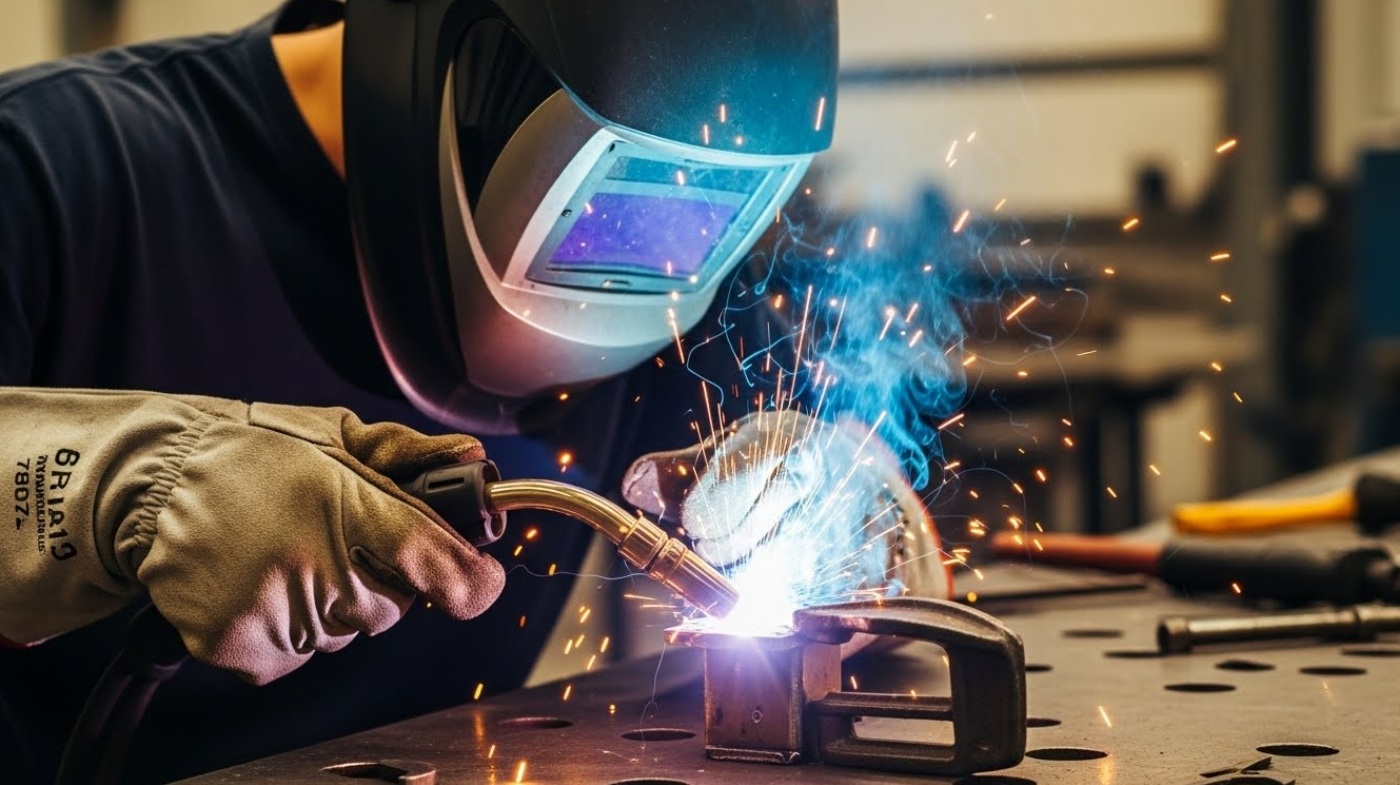
You’ll find welding challenging because it demands precise control over heat, amperage, and torch positioning, especially in complex methods like TIG.
Safety is critical. Handling toxic fumes, risk of burns, and electrical hazards requires strict discipline and proper gear.
Mastery also means clocking significant practice hours and maintaining certifications. The job market values skilled welders, but the learning curve is steep due to technical, physical, and environmental factors.
Understanding these complexities sets you up for success ahead.
Although welding offers valuable skills, you’ll quickly encounter significant challenges when learning it.
The financial burden alone is substantial; consumables, energy costs, and frequent equipment maintenance add up. Specialized training facilities raise overhead as well. Additionally, investing in high-quality gloves is a cost-effective safety measure that prevents costly injuries.
Beyond expenses, welding demands rigorous safety discipline. You’ll face risks like burns, electric shocks, and hazardous fumes. Mastering safety protocols is non-negotiable since beginners are most vulnerable. Proper personal protective equipment including dark face shields and long leather gloves is essential to prevent injury.
Skill acquisition is complex; welding requires precision, steady motor control, and a thorough understanding of materials and regulations. Nearly 60% of trainees drop out due to these demands.
Hands-on experience accelerates learning but depends on access to instructors and equipment, which can be limited. Combined, these economic, physical, and instructional barriers form a steep learning curve that you must navigate carefully.
To really get the hang of TIG welding, you’ve got to have steady hands and be able to control the heat precisely. Just a tiny mistake can mess up the quality of your weld, and nobody wants that! Plus, managing the amperage with a foot pedal while adjusting for different materials adds a whole new layer of complexity.
It’s definitely not something you can pick up in a day; it takes focused practice to get it right. TIG welding uses a non-consumable tungsten electrode which requires careful handling to maintain electrode integrity and weld quality. Choosing the correct tungsten electrode type based on your machine and material is crucial for stable arcs and preventing contamination. So, be prepared to put in a lot of time honing your technique. Trust me, once you do, you’ll be able to achieve consistent, high-quality welds!
When you tackle TIG welding, you face a series of precise challenges that demand careful control of shielding gas, heat input, and material preparation.
Using the wrong shielding gas or excessive flow leads to contamination and arc instability. Drafts or gas leaks cause defects like porosity and tungsten inclusions. Pure argon shielding is often recommended to maintain cleanliness and prevent porosity. Its inert atmosphere protects the weld pool by displacing oxygen and nitrogen, which are common sources of contamination.
Managing heat input is critical, especially with aluminum, where excessive amperage risks burn-through and insufficient heat causes weak fusion.
You must remove aluminum’s oxide layer meticulously to avoid arc disruption and cracking.
Filler rod technique requires steady, coordinated feeding; missteps cause inconsistent beads and fusion defects.
Tungsten contamination from poor handling worsens arc stability.
These factors, combined with complex equipment settings, make TIG welding a demanding process that requires exacting skill and attention to detail.
Mastering TIG welding means managing a high level of precision and control throughout the process.
You rely on real-time amperage adjustments via foot pedal or fingertip controls to maintain ideal heat input, essential for preventing discoloration and preserving metal integrity.
Maintaining an arc length near 1/8-inch ensures stable, consistent arcs, thanks to non-consumable tungsten electrodes and high-quality machines that minimize heat fluctuations and spatter. Proper shielding with argon gas is crucial to avoid oxidation during welding.
You control bead placement by precise torch positioning and modulating pulse frequency. Advanced machines offer pulse welding capabilities that further enhance precision by controlling heat input and reducing distortion.
Proper heat management fuses metals cleanly without warping thin materials, while inert argon shielding gas prevents contamination.
Adding filler rods by hand demands steady coordination for uniform, spatter-free beads that require minimal post-weld cleanup.
This precision-intensive process demands your unwavering attention to detail for structurally sound, visually flawless welds.
Investing focused practice time is essential to developing TIG welding skills efficiently. Professional training typically spans 48 to 56 hours, while foundational TIG skills can be acquired in about 30 hours.
Short, purposeful practice sessions, around 1.5 hours, maximize learning and prevent burnout. Unlike marathon sessions that often lead to frustration, structured daily practice into 20-30 minute focused intervals targeting specific joint types and positions, such as lap or pipe welding, is more effective. This approach ensures efficient use of time and resources. Maintaining detailed records of your welding activity during practice is crucial to track progress and ensure compliance with certification continuity requirements.
Progression demands mastering multiple welding positions and joint configurations systematically. Certification usually requires over 100 hours of lab work, but your progress hinges more on strategic practice and exercise selection than sheer hours.
Although welding offers valuable industrial applications, it exposes you to significant physical and environmental hazards that demand strict attention.
You inhale welding fumes containing carcinogenic metals like manganese, chromium, and nickel, which exceed safe exposure levels and contribute to lung diseases including cancer and pneumoconiosis. Prioritizing respiratory protection and engineered ventilation controls is essential to reduce inhalation risks.
Toxic gases such as nitrogen oxides and ozone irritate respiratory tracts and exacerbate pulmonary conditions. These fumes consist of a complex mixture of metallic oxides, fluorides, and silicates that vary with welding materials and methods.
Environmental contamination results from heavy metals settling into soil and water, disrupting ecosystems and contributing to acid rain and global warming. Welding zinc-plated steel produces zinc oxide fumes that require specialized control measures to protect the environment.
Additionally, welding-generated particulate matter pollutes air and ground, extending harm beyond the immediate workspace.
Understanding these hazards highlights the critical need for rigorous control measures to protect both your health and the environment during welding operations.
Hey there! When it comes to welding, one of the first things you really need to focus on is wearing the right protective gear. This means having a good helmet with the correct visor shade and flame-resistant clothing. Trust me, it’s super important to protect yourself from that intense light, heat, and all those flying sparks. Additionally, choosing gloves made from heat-resistant materials like leather or Kevlar can significantly reduce burn risks.
Now, let’s talk about some hazard prevention techniques. Regularly checking your equipment, ensuring electrical safety, and making sure you have proper ventilation are all crucial steps. These practices help keep injuries and health risks at bay. It is also essential to analyze surroundings and use equipment correctly to prevent accidents before starting work.
When working with intense heat, sparks, and hazardous fumes, wearing proper protective gear is essential to safeguard your health and guarantee safety.
Your welding helmet must feature auto-darkening lenses that adjust instantly to arc light, shielding your eyes and face from UV/IR radiation and debris. Helmets with an EN379 rating of 1/1/1/1 provide the best optical clarity and ensure uniform protection.
Choose gloves suited for your welding type: thicker cowhide for MIG or softer goatskin for TIG, to protect hands and wrists while maintaining dexterity. Proper cleaning methods for gloves help maintain their protective qualities and extend their lifespan.
Wear flame-resistant jackets with durable stitching and adjustable cuffs to cover your upper body without excess fabric that could catch sparks.
Don’t neglect respiratory protection. NIOSH-approved respirators with P100 filters prevent inhalation of toxic fumes.
Properly fitted gear makes certain you stay safe and maintain precision during welding operations.
Since welding exposes you to multiple hazards, implementing rigorous prevention techniques is essential to safeguard both health and property.
You must control fume exposure, fire risk, and electrical hazards through systematic measures. Focus on these critical steps:
Welding frequently ranks among the most hazardous occupations in construction, with a fatality rate near 1 in every 250 workers and approximately 150 annual deaths in the U.S. alone. Many underwater welding fatalities result from drowning, decompression sickness, and electrocution, highlighting the extreme dangers in this specialty.
You face risks like burns, electric shocks, and respiratory issues from toxic fumes, which account for a significant portion of occupational injuries. Chronic exposure to welding fumes and pressure changes can cause long-term respiratory damage and neurological problems.
For every 100 million work hours, about 1,000 welders sustain injuries, 100 times the average rate across industries. The high injury rate is compounded by factors such as fatigue, inadequate training, and poor equipment maintenance.
Lack of training and extended shifts sharply increase your injury risk, as do poor equipment maintenance and unsafe environments like underwater sites. Underwater welding is especially dangerous due to high pressures and limited access to support while working submerged.
OSHA violations often underlie accidents, highlighting the critical need for strict safety protocols. Adhering to decompression schedules and performing thorough pre-dive checklists are essential to minimizing risks.
Understanding these statistics and risks underscores why welding demands rigorous safety adherence to protect your health and life.
A significant shortage of skilled welders is reshaping the job market. The U.S. is facing a deficit of approximately 400,000 welders by 2025. This shortage stems from an aging workforce, low training throughput, and sustained industry demand driven by infrastructure and manufacturing projects.
The U.S. faces a critical shortage of 400,000 welders by 2025 due to aging workers and high demand.
As you consider entering welding, know the market offers substantial opportunities. However, it requires readiness to meet technical skill demands. The American Welding Society Foundation is actively supporting workforce development through scholarships and grants.
Key market dynamics include:
Understanding these factors helps you navigate and capitalize on welding’s evolving job landscape.
With skilled welders in high demand, understanding salary expectations and career growth becomes vital for making informed decisions about your future.
You can expect general welders to earn around $22.26 per hour, while certified welders typically start at $23, reaching up to $32 with experience.
Annual salaries range from $40,000 for entry-level welders to $75,000 for experienced professionals.
Top earners in specialized roles exceed $80,000.
Obtaining advanced certifications like AWS or ASME can boost your annual income by $10,000 or more.
Wages and salaries grew 3.4% year-over-year in March 2025, though inflation adjusted real wage growth was only 1.0%, impacting overall earning power wage growth vs inflation.
Geographic factors also impact wages markedly.
Relocating to high-demand areas like San Jose or Alaska can substantially increase your earnings.
Pursuing specialized niches and freelance opportunities further enhances your career growth and compensation potential.
Although mastering welding takes time and effort, several key factors directly influence your proficiency and the quality of your work. Understanding and controlling these elements guarantees consistent, reliable welds.
Master these factors, and you’ll greatly enhance your welding proficiency.
The best beginner welding projects you can practice at home include coat hooks, simple metal boxes, and tack-welded desk organizers.
These projects demand minimal materials and emphasize foundational skills like heat control, alignment, and basic joint welding.
Portable beer casings and small welding carts also work well, combining practicality with skill-building.
Start with these to develop bead consistency, avoid defects, and gain confidence before moving to more complex fabrications.
Think of welding certification as your Excalibur, cutting through job market uncertainty.
It markedly boosts your prospects by proving your skill and safety knowledge, making you stand out to employers who prefer credentialed welders.
With certification, you access higher-paying roles, enjoy better job stability amid industry growth, and increase your chances in competitive markets where uncertified applicants often get passed over.
It’s your key to career advancement and geographic flexibility.
You might think welding is low-paying or unskilled, but that’s far from true.
Welding demands strong knowledge in physics, chemistry, and blueprint reading, plus precision and problem-solving.
It’s not just a man’s job; women are steadily increasing their presence.
Automation hasn’t replaced welders; instead, it requires skilled operators to manage systems.
Salaries vary widely, and advanced certifications can markedly boost your earning potential and career opportunities.
You might think welding skills are too specialized to transfer, but they’re actually highly adaptable.
Your technical know-how, manual dexterity, and problem-solving abilities translate well into machining, tool and die making, and even supervisory roles.
Plus, your understanding of materials and safety codes supports careers in inspection, quality control, and robotics welding.
This versatility lets you pivot across industries like automotive, construction, and aerospace with minimal retraining.
You’ll find welding impacts the environment through emissions of metal fumes, toxic heavy metals, and greenhouse gases, contributing to pollution and climate change.
Manual arc welding causes the most particulate pollution, while TIG welding uses more energy.
Processes like laser arc-hybrid welding minimize environmental harm.
To reduce your footprint, consider efficient techniques, advanced fume extraction, and eco-friendly materials that cut toxic emissions and resource consumption.
Welding can be as challenging as mastering a complex instrument, demanding precision, focus, and safety awareness.
You’ll face physical risks and technical hurdles, especially with TIG welding, but understanding essential safety measures reduces hazards markedly.
The skill you develop not only protects you but also opens doors to a growing job market with strong career prospects.
With dedication and proper training, you’ll turn difficulty into expertise and lasting success in the welding field.